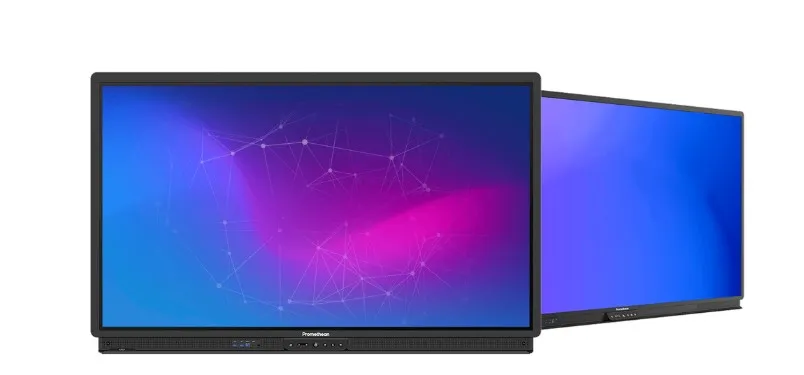

In today’s fast-moving digital environment, traditional displays and whiteboards are no longer enough. Businesses, schools, and organizations are shifting toward smarter, more interactive technologies that enhance communication and collaboration. One of the most impactful tools driving this transformation is the active panel—a powerful, touch-enabled display designed to make meetings, lessons, and presentations more engaging and efficient.
This blog explores how active panels are used in real-world scenarios and the practical benefits they bring across different industries.
What Are Active Panels?
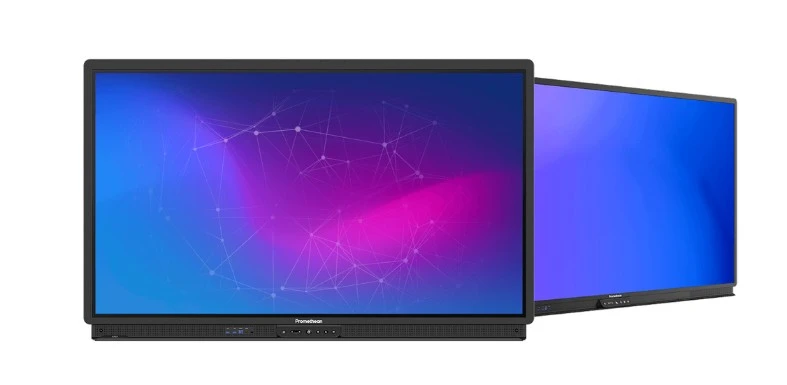
Active panels, also known as interactive flat panel displays (IFPDs), are large digital screens with touch capabilities. They combine the functions of a whiteboard, projector, and computer into a single device. Users can write, draw, present, annotate, and even connect with remote participants—all in real time.
With built-in software, wireless connectivity, and high-definition displays, active panels simplify how people share and interact with information.
Real-World Use Cases of Active Panels
1. Education: Transforming Classrooms into Interactive Learning Spaces
In schools and universities, active panels are replacing traditional blackboards and projectors. Teachers can deliver dynamic lessons using multimedia content such as videos, animations, and interactive quizzes.
Students can actively participate by solving problems directly on the screen or collaborating on group activities. This makes learning more engaging and improves knowledge retention.
Key Impact:
Better student engagement
Improved understanding through visual learning
Easy access to digital resources
2. Corporate Offices: Smarter Meetings and Collaboration
Active panels are widely used in meeting rooms and boardrooms. Teams can present ideas, brainstorm, and edit documents in real time.
With video conferencing integration, remote team members can join meetings seamlessly, making hybrid work more effective. Features like screen sharing and annotation help teams stay aligned and productive.
Key Impact:
- Faster decision-making
- Improved team collaboration
- Seamless remote communication
3. Healthcare: Enhancing Communication and Training
Hospitals and medical institutions use active panels for staff training, patient education, and presentations. Doctors can display medical images, explain procedures visually, and conduct training sessions more effectively.
This improves communication between healthcare professionals and patients, leading to better understanding and care.
Key Impact:
Clear visual explanations
Efficient staff training
Better patient engagement
4. Retail: Creating Engaging Customer Experiences
Retail stores are using active panels to display interactive product catalogs, promotions, and digital signage. Customers can explore products, view details, and even compare options directly on the screen.
This not only improves customer experience but also helps businesses showcase their offerings in a modern and attractive way.
Key Impact:
Interactive product exploration
Increased customer engagement
Modern brand image
5. Training and Development: Interactive Learning for Professionals
Training centers and organizations use active panels for workshops and skill development sessions. Trainers can create interactive presentations, conduct live demonstrations, and engage participants through hands-on activities.
This leads to better learning outcomes compared to traditional training methods.
Key Impact:
More engaging training sessions
Improved knowledge retention
Real-time collaboration
Key Benefits of Active Panels
1. All-in-One Functionality
Active panels eliminate the need for multiple devices like projectors, whiteboards, and external speakers. Everything is integrated into one system, reducing complexity.
2. Enhanced Collaboration
Multiple users can interact with the screen simultaneously, making teamwork more effective and inclusive.
3. Easy Connectivity
With wireless screen sharing and cloud integration, users can connect laptops, tablets, and smartphones effortlessly.
4. High-Quality Visuals
Ultra HD displays ensure clear and vibrant visuals, which is especially useful for presentations and detailed content.
5. Time and Cost Efficiency
By streamlining workflows and reducing equipment needs, active panels save both time and operational costs.
Why Businesses and Institutions Are Adopting Active Panels
The shift toward digital transformation is pushing organizations to adopt smarter tools that improve productivity and communication. Active panels provide a future-ready solution that supports hybrid work, interactive learning, and efficient collaboration.
Whether it’s a classroom, boardroom, or retail space, these panels are helping organizations move beyond static presentations to more dynamic and engaging experiences.
Final Thoughts
Active panels are not just a trend—they are becoming an essential part of modern communication and collaboration. By combining technology with usability, they empower users to share ideas more effectively, learn better, and work smarter.
As more industries continue to adopt digital solutions, active panels will play a key role in shaping the future of how we teach, present, and collaborate.
























Sign in to leave a comment.