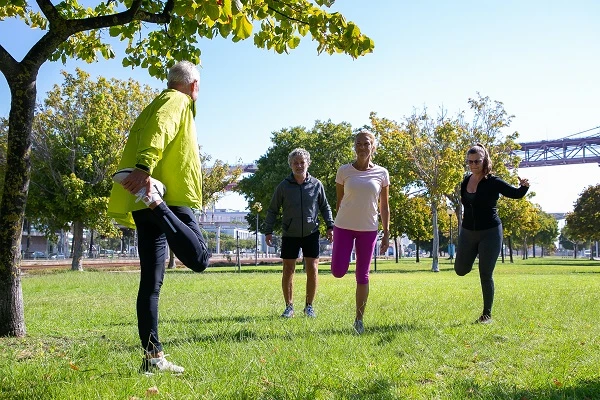

Staying active and engaged in physical activities is essential for seniors to maintain their mobility, independence, and overall well-being. Regular exercise can improve strength, flexibility, balance, and cognitive function, while also reducing the risk of falls and chronic diseases.
In this guest post, we will explore the benefits of activities and exercises for seniors and provide a range of ideas to help enhance mobility and independence, allowing seniors to lead active and fulfilling lives.
The Benefits Of Physical Activities For Seniors
Engaging in regular physical activities brings a wide array of benefits to seniors, including
Improved Physical Health
Exercise helps maintain and improve cardiovascular health, muscle strength, joint flexibility, and bone density, reducing the risk of chronic conditions like heart disease, osteoporosis, and diabetes.
Enhanced Mental Well-being
Physical activities stimulate the release of endorphins, promoting a positive mood, reducing symptoms of anxiety and depression, and improving cognitive function.
Increased Independence
By maintaining physical fitness and mobility, seniors can perform daily tasks with greater ease, reducing the need for assistance and promoting independence.
Fall Prevention
Exercises that focus on balance, coordination, and strength can help reduce the risk of falls, which is crucial as falls are a common cause of injury among older adults.
Choosing The Right Activities And Exercises
When selecting activities and exercises for seniors, it's important to consider their abilities, interests, and any specific health concerns. Here are some ideas to enhance mobility and independence.
Walking
Walking is a low-impact exercise that can be adapted to different fitness levels. Encourage seniors to take regular walks outdoors or utilise indoor walking tracks or treadmills during inclement weather.
Strength Training
Resistance exercises using resistance bands, light weights, or bodyweight exercises can help maintain muscle strength and prevent muscle loss. Focus on major muscle groups, such as the legs, arms, and core.
Balance and Stability Exercises
Activities that improve balance, such as tai chi, yoga, and specific balance exercises, help reduce the risk of falls. Many community centres and fitness facilities offer senior-friendly classes.
Swimming or Water Aerobics
Water-based exercises provide a low-impact and joint-friendly option for seniors. Swimming or participating in water aerobics classes can improve cardiovascular health, muscle strength, and flexibility.
Dancing
Dancing is a fun and social activity that can improve cardiovascular fitness, coordination, and balance. Seniors can join dance classes or simply enjoy dancing at home to their favourite music.
Chair Exercises
For seniors with limited mobility or balance issues, chair exercises can be highly beneficial. These exercises involve using a chair for support while engaging in seated movements that target different muscle groups.
Incorporating Daily Activities
In addition to dedicated exercise sessions, seniors can incorporate physical activity into their daily routines
Household Chores
Encourage seniors to engage in light housework, gardening, or other household chores that involve movement and physical effort.
Walking Clubs or Groups
Joining a local walking club or organising regular walks with friends can provide motivation, social interaction, and accountability.
Hobbies and Interests
Encourage seniors to pursue hobbies that involve physical activity, such as gardening, golfing, swimming, or dancing.
Active Socialising
Encourage seniors to participate in social activities that involve physical movement, such as group outings, volunteer work, or attending community events.
Safety Considerations
Before starting any new exercise program, it's important to consider safety
Consult a Healthcare Professional
Seniors should consult their healthcare provider before beginning a new exercise regimen, especially if they have any underlying health conditions.
Start Slowly and Progress Gradually
Begin with gentle exercises and gradually increase the intensity and duration over time. Listen to the body's signals and avoid pushing too hard.
Use Proper Equipment and Attire
Ensure seniors have appropriate footwear and comfortable clothing that allows for freedom of movement. Using assistive devices like walking sticks or grab bars can enhance safety during exercise.
Stay Hydrated
Encourage seniors to drink plenty of water before, during, and after physical activities to prevent dehydration.
Conclusion
Activities and exercises for seniors are vital for maintaining mobility, independence, and overall well-being. By incorporating a variety of activities into their routine, seniors can experience improved physical and mental health, enhanced independence, and a higher quality of life. Remember to encourage seniors to consult with in-home caregivers in Frisco Tx, start gradually, and prioritise safety during physical activities. Let's empower seniors to embrace an active lifestyle and enjoy the numerous benefits it brings.



























Sign in to leave a comment.