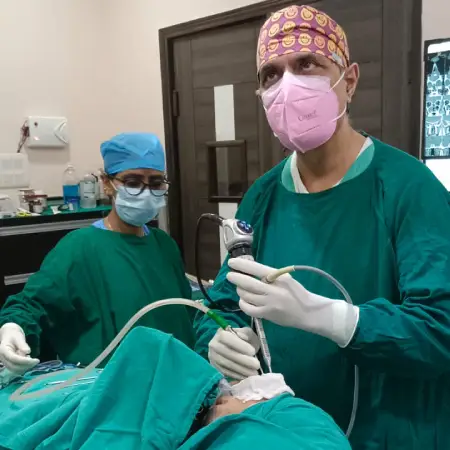

Breathing problems, frequent ear infections, and constant nasal congestion in children are often caused by enlarged adenoids. While adenoids are a normal part of the immune system, they can sometimes grow larger than usual and create health problems. In such cases, doctors may recommend adenoid removal surgery, also known as adenoidectomy.
Many parents become worried when they hear that their child might need surgery. Questions about safety, recovery time, and treatment options often arise. Understanding the condition and the available adenoids treatment options can help families make informed decisions about their child’s health.
What Are Adenoids?
Adenoids are small glands located at the back of the nasal passage, behind the nose and above the throat. They are part of the immune system and help the body fight infections by trapping bacteria and viruses that enter through the nose.
Adenoids are most active during childhood because children are frequently exposed to infections as their immune systems develop. As children grow older, the role of adenoids becomes less important, and they usually shrink naturally during the teenage years.
However, in some cases, adenoids can become enlarged due to repeated infections or allergies. When this happens, they can block the airway and cause breathing or ear-related problems.
What Causes Enlarged Adenoids?
Several factors can cause adenoids to become swollen or enlarged. The most common cause is repeated infections in the throat, nose, or ears.
Some common causes include:
- Frequent throat infections
- Chronic sinus infections
- Allergies
- Bacterial or viral infections
- Genetic factors
When adenoids remain enlarged for a long time, they can interfere with normal breathing and affect a child’s sleep and daily activities.
Symptoms of Enlarged Adenoids
Enlarged adenoids can lead to several noticeable symptoms, especially in children. Parents should pay attention to signs that may indicate a problem with the adenoids.
Common symptoms include:
- Difficulty breathing through the nose
- Constant nasal congestion
- Mouth breathing
- Snoring during sleep
- Sleep apnea (breathing pauses during sleep)
- Frequent ear infections
- Hearing problems
- Persistent runny nose
Children with enlarged adenoids may also develop a condition called adenoid facies, where long-term mouth breathing changes facial development.
If these symptoms occur frequently, it is important to consult an ENT (Ear, Nose, and Throat) specialist for proper diagnosis and treatment.
Diagnosis of Adenoid Problems
Doctors use several methods to diagnose enlarged adenoids. A physical examination and discussion of symptoms are usually the first steps.
An ENT specialist may recommend tests such as:
- Nasal endoscopy
- X-ray of the neck
- Sleep study for sleep apnea
- Hearing tests for ear problems
These tests help doctors determine the size of the adenoids and whether surgery is necessary.
Adenoids Treatment Options
Not all cases of enlarged adenoids require surgery. In many situations, doctors first try non-surgical treatments to reduce inflammation and infection.
Common adenoids treatment options include:
1. Medications
Doctors may prescribe medications such as:
- Antibiotics for bacterial infections
- Nasal steroid sprays to reduce swelling
- Antihistamines for allergies
These treatments can help reduce symptoms and shrink the adenoids in some cases.
2. Monitoring and Lifestyle Changes
If the symptoms are mild, doctors may simply monitor the condition. Children may outgrow adenoid problems as the glands naturally shrink with age.
However, when symptoms become severe or persistent, surgery may be recommended.
What Is Adenoid Removal Surgery?
Adenoid removal surgery, also called adenoidectomy, is a procedure performed to remove enlarged adenoids from the back of the nasal passage.
The surgery is commonly recommended for children who experience:
- Chronic nasal blockage
- Repeated ear infections
- Sleep apnea
- Breathing difficulties
- Recurring sinus infections
Adenoidectomy is often performed along with other procedures such as tonsillectomy or ear tube placement if necessary.
How Adenoid Surgery Is Performed
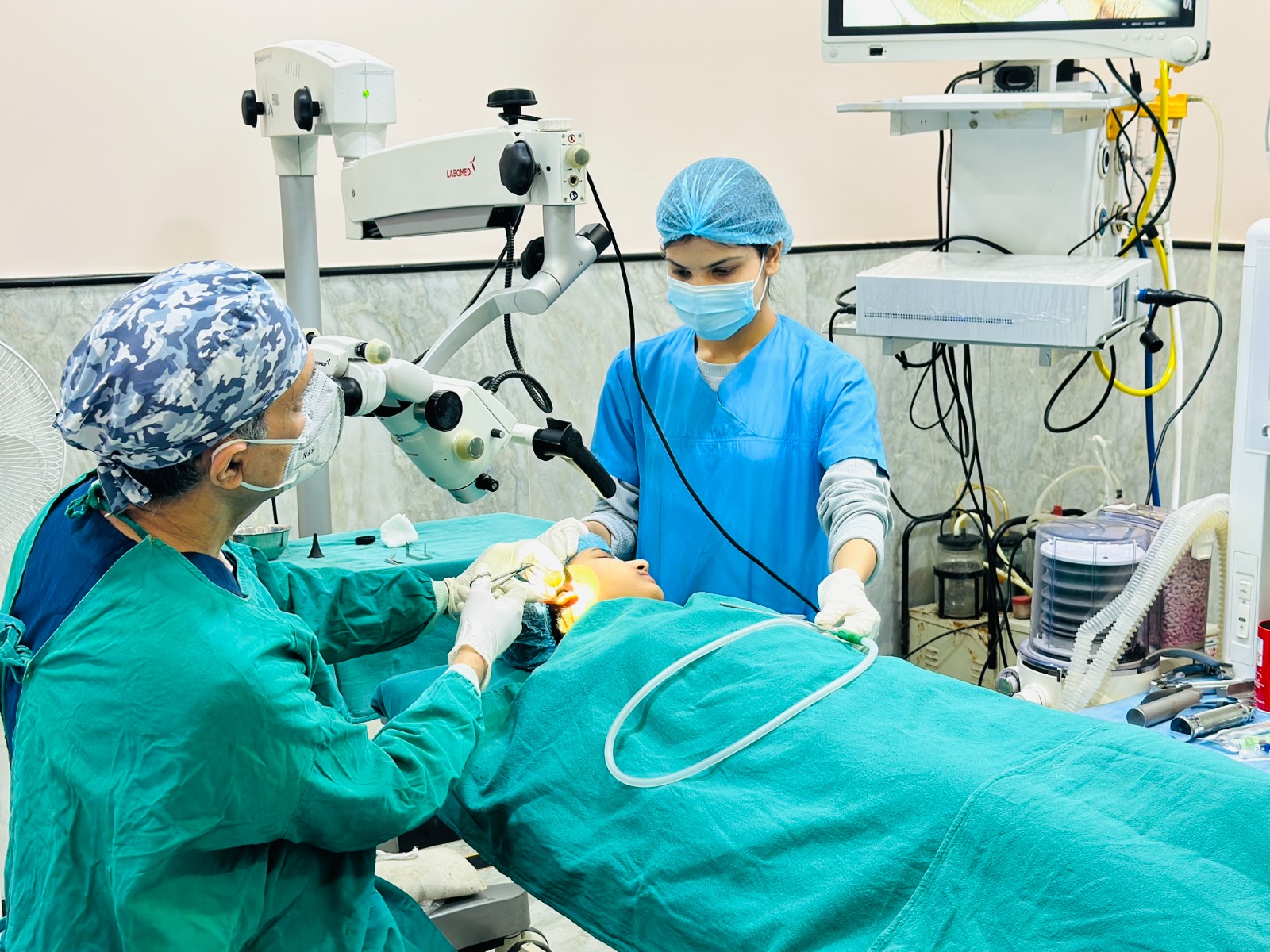
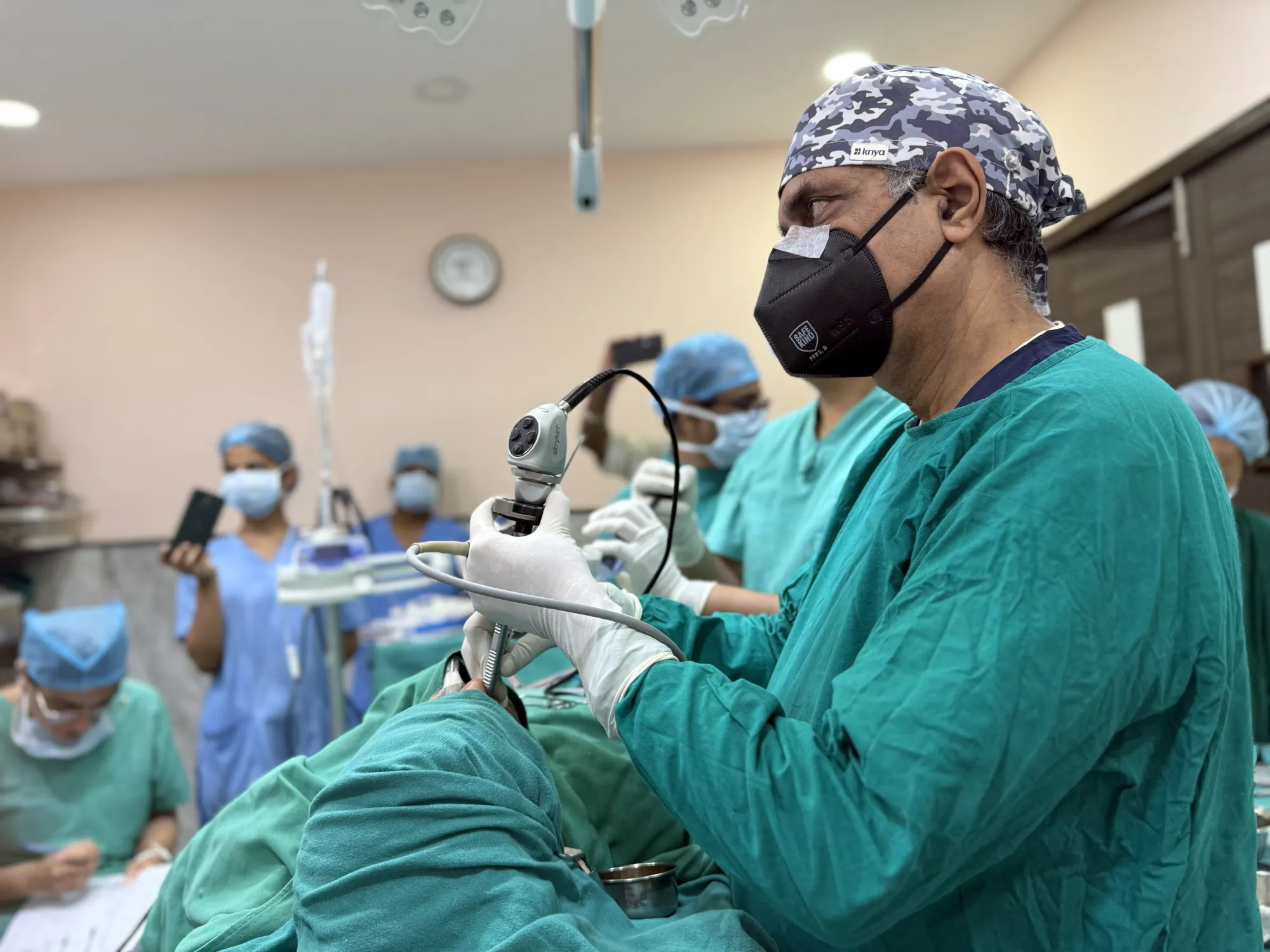
Adenoid surgery is a relatively simple and safe procedure performed by an ENT surgeon.
Here is how the procedure usually works:
- The patient is given general anesthesia, so they remain asleep during the surgery.
- The surgeon removes the adenoids through the mouth using special surgical instruments.
- No external cuts or stitches are required because the surgery is done internally.
- The procedure usually takes 30 to 45 minutes.
Most patients are able to go home on the same day after a few hours of observation.
Recovery After Adenoid Removal Surgery
Recovery after adenoidectomy is usually quick, especially for children.
Patients may experience mild symptoms during the recovery period, such as:
- Sore throat
- Mild ear pain
- Nasal congestion
- Slight fever
Doctors typically recommend the following recovery tips:
- Drink plenty of fluids
- Eat soft foods like soup, yogurt, and mashed potatoes
- Avoid strenuous activities for a few days
- Take prescribed medications
Most children recover completely within 7 to 10 days and can return to normal activities soon after.
Benefits of Adenoid Surgery
Adenoid removal surgery offers several health benefits, especially for children suffering from chronic breathing and ear problems.
Some key benefits include:
- Improved breathing through the nose
- Better sleep quality
- Reduced snoring and sleep apnea
- Fewer ear infections
- Improved hearing
- Better overall quality of life
For many children, adenoidectomy significantly improves daily comfort and sleep patterns.
Possible Risks of Adenoid Surgery
Like any surgical procedure, adenoidectomy carries some risks, although complications are rare.
Possible risks may include:
- Bleeding
- Infection
- Temporary voice changes
- Mild pain or swelling
However, with modern medical techniques and experienced surgeons, adenoid surgery is considered a very safe procedure.
When Should You See a Doctor?
Parents should consult an ENT specialist if their child experiences:
- Persistent mouth breathing
- Loud snoring during sleep
- Frequent ear infections
- Difficulty breathing through the nose
- Sleep disturbances
Early diagnosis and treatment can prevent complications and improve a child’s overall health.
Conclusion
Enlarged adenoids can cause several uncomfortable symptoms, including breathing difficulties, sleep problems, and recurring ear infections. While medications and lifestyle changes may help in mild cases, adenoid removal surgery is often the most effective solution for severe or persistent problems.
Adenoid surgery is a quick and safe procedure that can greatly improve breathing, sleep quality, and overall well-being. If you suspect that your child may have adenoid issues, consulting an experienced ENT specialist can help determine the best adenoids treatment option.
Early treatment ensures better health and a happier, more comfortable life for children affected by this common condition.
FAQs
1. What is adenoid removal surgery?
Adenoid removal surgery, or adenoidectomy, is a procedure to remove enlarged adenoids from the back of the nasal passage.
2. At what age is adenoid surgery recommended?
Adenoid surgery is most commonly performed in children between 3 and 10 years old, although it may be recommended at other ages if necessary.
3. Is adenoid surgery painful?
Patients may experience mild discomfort after surgery, but pain is usually manageable with medications.
4. How long does adenoid surgery take?
The procedure usually takes 30 to 45 minutes, and most patients can go home the same day.
5. Can adenoids grow back after surgery?
In rare cases, adenoids may grow back slightly, but this usually does not cause significant problems.






























Sign in to leave a comment.