
Introduction to Adenoids and Their Importance
Have you ever noticed a child breathing through the mouth all the time or snoring loudly while sleeping? Many parents ignore these signs, thinking they are normal. But sometimes, the real reason is enlarged adenoids. Understanding adenoids and their treatment can help you make better health decisions for your child.
Let’s explore everything about adenoid surgery, adenoid removal surgery, and adenoid surgery cost in simple and easy words.
What Are Adenoids?
Adenoids are small tissues located behind the nose and above the throat. They are part of the immune system and help fight infections, especially in children. These tissues trap bacteria and viruses that enter through the nose.
But here’s the catch. Sometimes, adenoids become swollen due to frequent infections. This can cause breathing problems, sleep issues, and repeated ear or throat infections.
Role of Adenoids in Children’s Health
Adenoids play an important role during early childhood. However, as a child grows, their importance reduces. In many cases, enlarged adenoids cause more harm than good. That’s when doctors recommend adenoid treatment or surgery.
What Is Adenoid Surgery?
Adenoid surgery, also known as adenoidectomy, is a straightforward procedure to remove enlarged adenoids. It is usually done in children when medicines do not provide relief.
When Is Adenoid Removal Surgery Needed?
Doctors suggest adenoid removal surgery if a child experiences:
Common Symptoms That Indicate Surgery
- Difficulty breathing through the nose
- Mouth breathing
- Snoring or sleep apnea
- Frequent ear infections
- Repeated throat infections
- Nasal blockage
- Poor sleep and tiredness
If your child has these symptoms, don’t wait. Early treatment can prevent complications.
Causes of Enlarged Adenoids
Infection and Allergies
The most common reason is repeated infection. Cold, flu, and sinus problems can cause swelling. Allergies can also make adenoids larger.
Genetics and Environmental Factors
Some children naturally have bigger adenoids. Pollution, dust, and smoke also increase the risk. Living in crowded cities can worsen symptoms.
Adenoids Treatment Options Before Surgery
Not every case needs surgery. Doctors always try simple treatments first.
Medicines and Antibiotics
Antibiotics help treat infections. Nasal sprays reduce swelling. Allergy medicines can also control symptoms.
Lifestyle and Home Remedies
- Use steam inhalation
- Maintain hygiene
- Avoid cold foods
- Keep the environment dust-free
- Boost immunity with a healthy diet
If these methods fail, surgery becomes the best option.
Types of Adenoid Surgery
Traditional Adenoidectomy
This is the most common method. The surgeon removes adenoids through the mouth. There is no external cut, which means no visible scar.
Endoscopic Adenoid Surgery
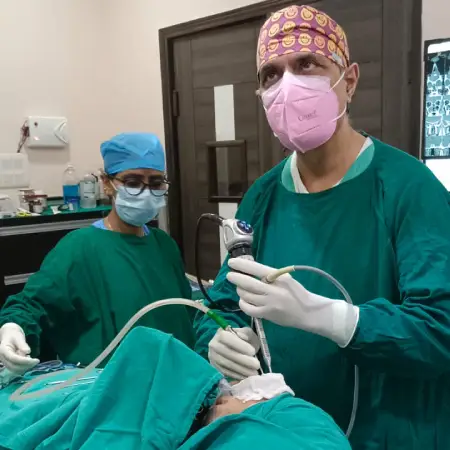
This modern technique uses a camera for better precision. It reduces bleeding and recovery time.
Adenoid Surgery Cost in India
One of the biggest concerns for parents is cost. The good news? Adenoid surgery is affordable compared to many other procedures.
Average Cost in Different Cities
The cost usually ranges between ₹30,000 to ₹80,000. In metro cities, it can be slightly higher due to advanced facilities.
Factors Affecting Adenoid Surgery Cost
Hospital and Location
Private hospitals charge more than government hospitals.
Doctor’s Experience
Highly experienced surgeons may charge higher fees.
Type of Surgery
Endoscopic surgery costs more due to modern equipment.
Room and Stay
Single rooms and luxury facilities increase the overall cost.
Insurance Coverage
Many health insurance plans cover adenoid surgery.
Preparation Before Adenoid Removal Surgery
Medical Tests and Diagnosis
Before surgery, doctors recommend:
- Blood tests
- X-ray or nasal scan
- Allergy tests
These ensure safe and successful treatment.
Diet and Pre-Surgery Guidelines
Children should avoid food for 6–8 hours before surgery. Parents must inform the doctor about any medicines.
Procedure of Adenoid Surgery
Step-by-Step Process
- The child is given general anesthesia.
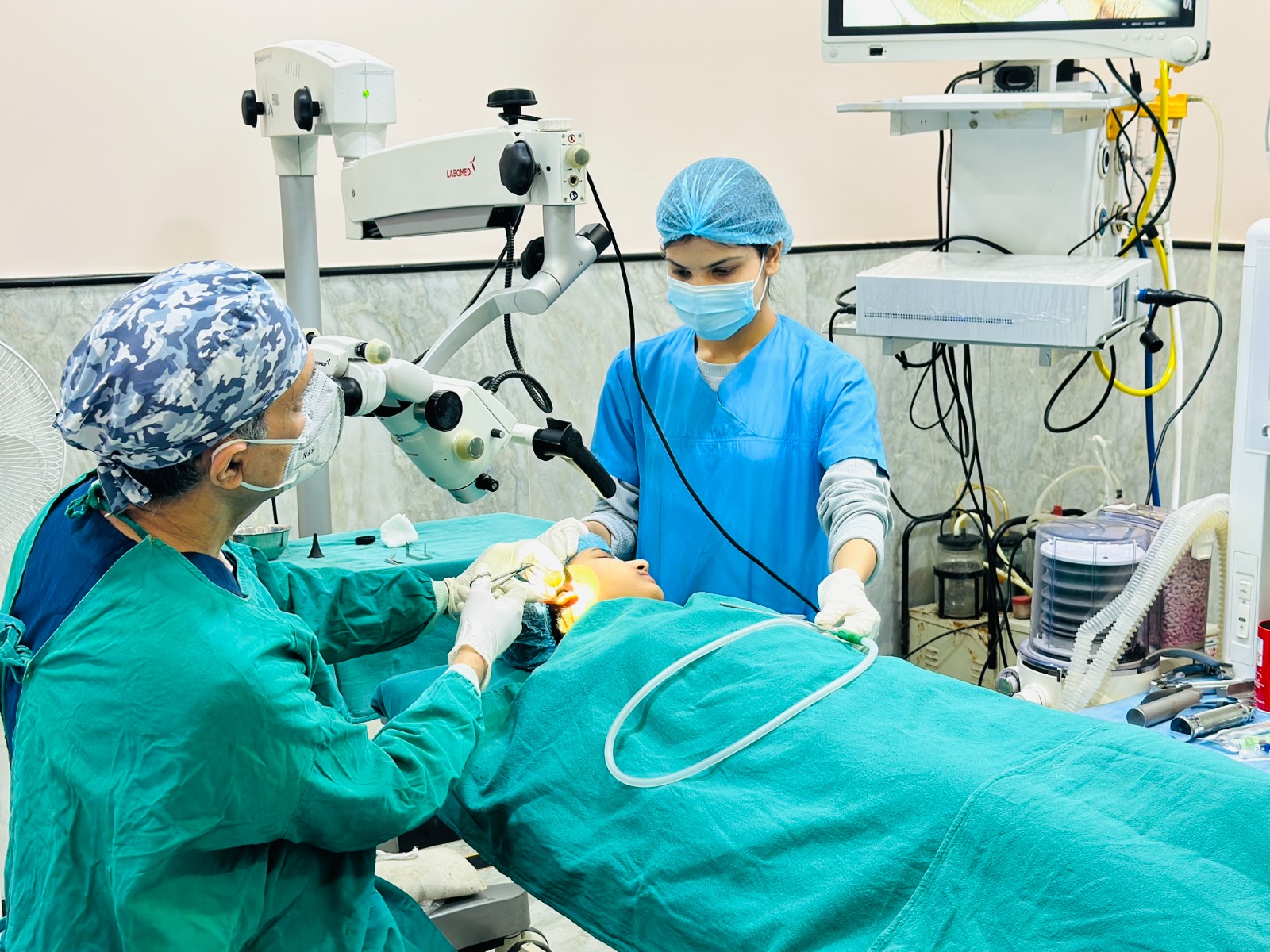
- The surgeon removes the adenoids through the mouth.
- Bleeding is controlled.
- The child is shifted to the recovery room.
Duration and Anesthesia
The surgery usually takes 30 to 45 minutes. Most children go home the same day.
Recovery After Adenoid Surgery
What to Expect After Surgery?
Recovery is fast and smooth. Mild pain, throat discomfort, or nasal blockage is normal.
Diet and Care Tips
- Give soft foods like soup and khichdi
- Avoid spicy and hot food
- Ensure rest
- Keep the child hydrated
- Follow doctor’s advice
Most children recover within one week.
Risks and Complications of Adenoid Surgery
Adenoid surgery is safe. However, like any surgery, there are small risks:
- Bleeding
- Infection
- Temporary voice change
- Mild pain
Serious complications are very rare.
Benefits of Adenoid Removal Surgery
The results are often life-changing:
- Better breathing
- Improved sleep
- Reduced infections
- Better growth and energy
- Improved focus in school
Many parents notice a huge difference after surgery.
When to See a Doctor After Surgery
Contact the doctor if your child has:
- High fever
- Continuous bleeding
- Severe pain
- Breathing difficulty
Early attention prevents complications.
Conclusion
Adenoid surgery is a simple, safe, and effective treatment for children suffering from breathing and infection problems. Understanding the cost of adenoid surgery, adenoid removal surgery, and adenoid treatment helps parents make informed decisions. If your child shows symptoms, don’t delay. Early treatment ensures a healthier and happier future.
FAQs
1. Is adenoid surgery painful for children?
No, the surgery is done under anesthesia, so children do not feel pain. Mild discomfort after surgery is normal.
2. What is the best age for adenoid removal surgery?
Most surgeries are done between 3 to 10 years of age.
3. How long does recovery take after adenoid surgery?
Recovery usually takes 5 to 7 days.
4. Can adenoids grow back after surgery?
In rare cases, they may grow again, but this is uncommon.
5. Is adenoid surgery covered by insurance?
Yes, many health insurance plans cover the procedure.































Sign in to leave a comment.