

Understanding Adenoids and Their Role in Health
Adenoids are small glands located at the back of the nasal passage, just above the throat. They are part of the body’s immune system and play an important role during childhood by helping fight infections. Adenoids trap bacteria and viruses that enter through the nose and prevent them from spreading further into the body.
However, in some cases, adenoids can become enlarged due to repeated infections or allergies. When this happens, they may block the nasal airway and cause several breathing and sleep-related problems. This is when adenoid treatment becomes necessary to restore normal breathing and improve overall health.
Understanding the symptoms, causes, and available treatments can help parents and patients make informed decisions about managing this condition.
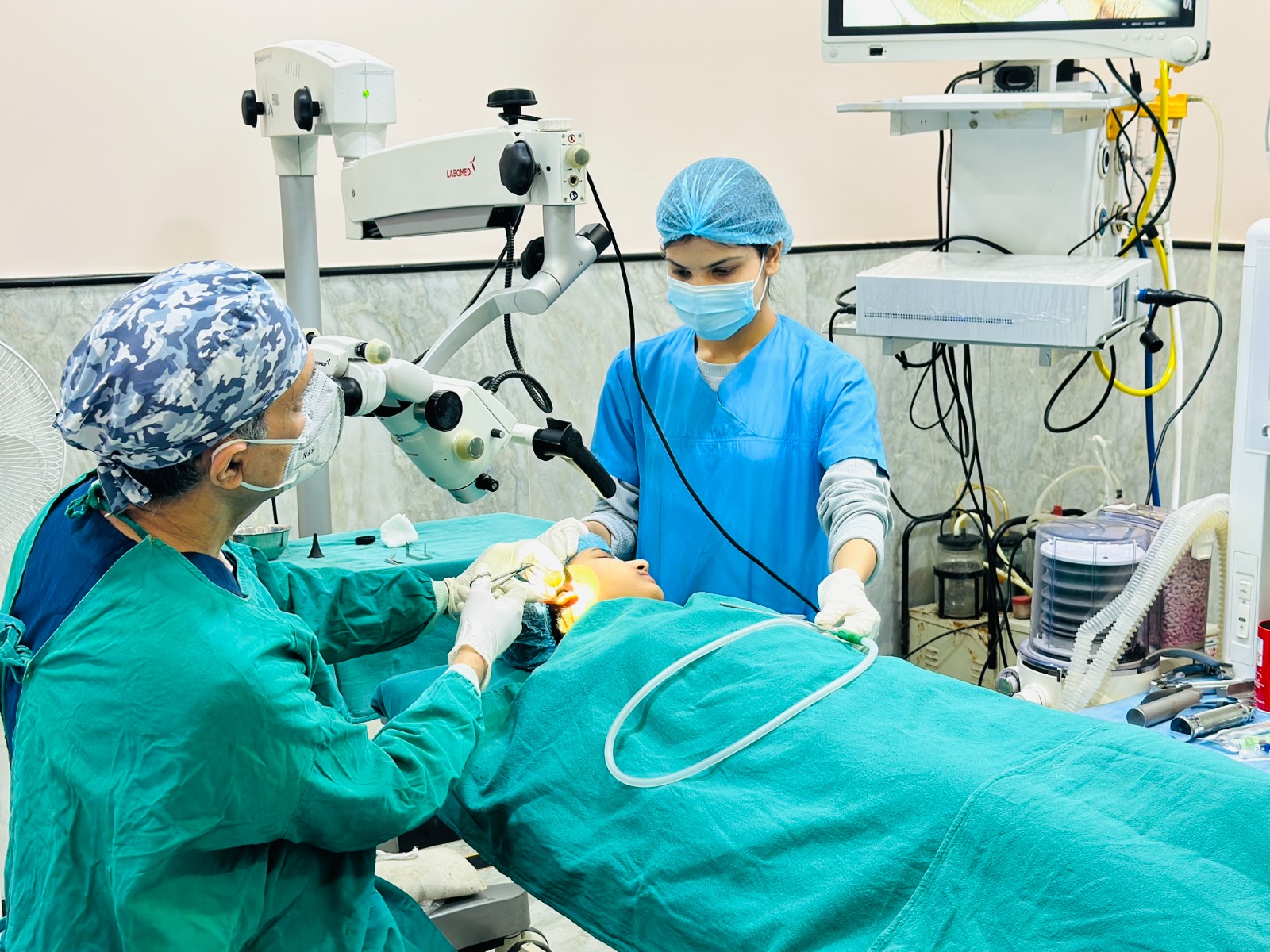
What Causes Enlarged Adenoids?
Enlarged adenoids are quite common in children, especially between the ages of three and ten. Several factors can lead to this condition.
1. Frequent Infections
Repeated throat or nasal infections can cause adenoids to swell and remain enlarged.
2. Allergies
Environmental allergens such as dust, pollen, and pollution can trigger inflammation in the adenoid tissue.
3. Genetic Factors
Some children naturally have larger adenoids due to hereditary factors.
4. Chronic Sinus Issues
Ongoing sinus infections can also contribute to the enlargement of adenoids.
Although adenoids usually shrink naturally during teenage years, severe enlargement may require medical attention.
Symptoms of Enlarged Adenoids
Recognising the symptoms early can help prevent complications. Some of the most common signs include:
Difficulty Breathing Through the Nose
Children with enlarged adenoids often breathe through their mouths because their nasal airway is blocked.
Snoring During Sleep
Snoring is a common symptom caused by restricted airflow during sleep.
Sleep Disturbances
Interrupted sleep, restlessness, or frequent waking can occur due to breathing difficulties.
Frequent Ear Infections
Enlarged adenoids can block the Eustachian tubes, leading to ear infections or hearing issues.
Nasal Congestion
Persistent nasal blockage without a cold can be another sign of enlarged adenoids.
If these symptoms continue for a long period, medical evaluation is recommended.
How Adenoids Are Diagnosed
Doctors use several methods to diagnose enlarged adenoids.
Medical History and Physical Examination
The doctor first reviews the patient’s symptoms and medical history.
Nasal Endoscopy
A small camera inserted through the nose allows doctors to view the adenoids directly.
X-ray Imaging
In some cases, an X-ray of the neck may help determine the size of the adenoids.
Hearing Tests
If ear infections are frequent, hearing tests may also be recommended.
Proper diagnosis helps determine the most effective treatment approach.
Adenoids Treatment Options
Treatment for enlarged adenoids depends on the severity of symptoms and the overall health of the patient.
1. Medication
Mild cases may be treated with medications such as:
- Nasal steroid sprays
- Antihistamines
- Antibiotics (for bacterial infections)
These medications help reduce inflammation and control infections.
2. Lifestyle and Environmental Changes
Simple adjustments can also help manage symptoms.
Examples include:
- Keeping indoor air clean
- Using humidifiers
- Avoiding allergens
- Maintaining good hygiene
These steps may reduce the frequency of infections.
3. Adenoid Surgery
When symptoms persist despite medication, Adenoid Surgery may be recommended.
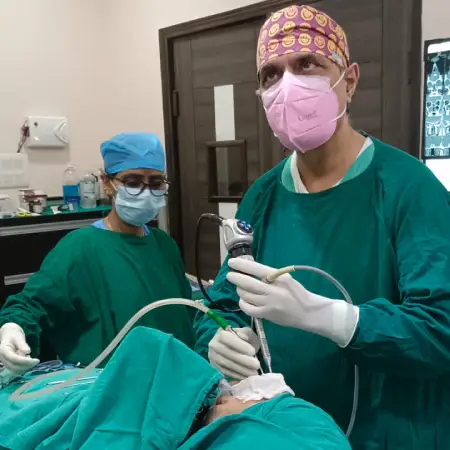
What Is Adenoid Surgery?
Adenoid surgery, also known as adenoidectomy, is a medical procedure performed to remove enlarged adenoids.
This procedure is commonly recommended when enlarged adenoids cause:
- Severe breathing problems
- Chronic ear infections
- Sleep apnea
- Persistent nasal blockage
The surgery is typically performed under general anesthesia and usually takes less than an hour.
How the Adenoidectomy Procedure Works
The procedure is relatively simple and safe.
Step 1: Anesthesia
The patient is given anesthesia to ensure comfort during the procedure.
Step 2: Removal of Adenoid Tissue
The surgeon removes the enlarged adenoid tissue through the mouth, so no external incision is required.
Step 3: Bleeding Control
Special instruments are used to control bleeding.
Step 4: Recovery
Most patients are able to return home on the same day.
Because the surgery is minimally invasive, recovery is usually quick.
Benefits of Adenoid Surgery
For patients experiencing severe symptoms, surgery can provide significant relief.
Some major benefits include:
Improved Breathing
Removing enlarged adenoids clears the nasal airway, making breathing easier.
Better Sleep Quality
Patients often experience better sleep and reduced snoring.
Fewer Ear Infections
The risk of recurring ear infections decreases significantly.
Improved Speech and Hearing
Some children may also experience improvements in speech and hearing.
Overall, the procedure can greatly improve a child’s quality of life.
Recovery After Adenoid Surgery
Recovery from adenoid surgery is generally smooth and uncomplicated.
Most patients recover within a week.
Common post-surgery guidelines include:
- Eating soft foods for a few days
- Drinking plenty of fluids
- Avoiding strenuous activity
- Taking prescribed medications
Mild throat discomfort is normal and usually resolves quickly.
Parents should follow their doctor’s instructions carefully to ensure proper healing.
When to See an ENT Specialist
It is important to consult an ENT specialist if symptoms such as mouth breathing, snoring, or repeated ear infections persist.
Early medical evaluation helps prevent complications and ensures timely treatment.
Parents should not ignore signs like:
- Loud snoring
- Difficulty breathing during sleep
- Constant nasal congestion
- Hearing problems
Professional care can make a significant difference in the patient’s health and comfort.
Choosing the Right Medical Care
When dealing with ENT conditions, choosing experienced medical professionals is crucial for accurate diagnosis and effective treatment.
Specialised centres such as MedFirst ENT Centre provide advanced diagnostic tools and expert care for patients suffering from adenoid-related problems. With the right medical guidance, patients can receive proper treatment and long-term relief from symptoms.
Final Thoughts
Enlarged adenoids can significantly affect breathing, sleep, and overall well-being, especially in children. Fortunately, modern medical treatments provide effective solutions for managing this condition.




























Sign in to leave a comment.