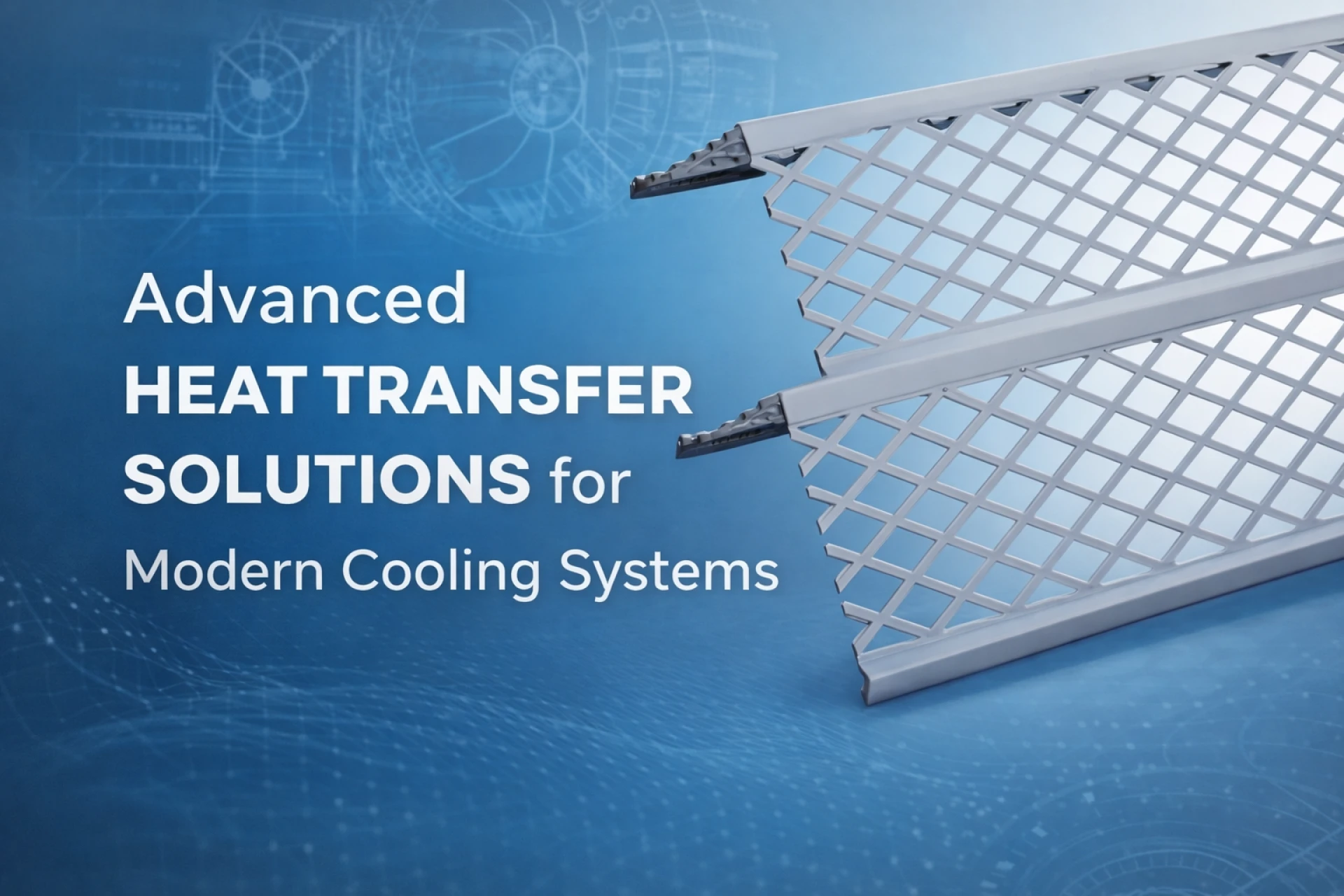

Cooling Tower Fills are critical internal components designed to maximize heat transfer efficiency between water and air inside cooling towers. By increasing the contact surface area and retention time, cooling tower fills significantly enhance evaporation and cooling performance, making them essential for industrial, commercial, and HVAC applications.
Modern cooling tower fills are engineered using advanced polymer technology, optimized flow geometry, and high thermal efficiency designs to meet today’s energy and sustainability requirements.
What Are Cooling Tower Fills?
Cooling tower fills are structured or splash-type media installed inside a cooling tower to:
- Increase air–water contact surface
- Slow down water flow for better heat dissipation
- Improve evaporation efficiency
- Reduce energy and water consumption
They are designed to withstand thermal stress, chemical exposure, and biological fouling while maintaining long-term performance.
Types of Cooling Tower Fills
1. Film Fill Cooling Tower Fills
Film fills spread water into thin layers (films) over large surface areas.
Key Features:
- High thermal efficiency
- Low water distribution loss
- Compact design
Best Applications:
- Power plants
- Petrochemical industries
- Large HVAC systems
Common Materials:
- PVC Cooling Tower Fills
- PP (Polypropylene) Film Fills
2. Splash Fill Cooling Tower Fills
Splash fills break water into droplets by repeatedly splashing it over bars or grids.
Key Features:
- Excellent resistance to fouling
- Handles poor water quality
- Durable structure
Best Applications:
- Steel plants
- Cement industries
- Mining and heavy industrial cooling towers
3. Hybrid Cooling Tower Fills
Hybrid fills combine film and splash fill technology.
Benefits:
- Balanced heat transfer
- Improved clog resistance
- Optimized airflow and water distribution
Advanced Materials Used in Cooling Tower Fills
| Material | Benefits |
| PVC | High heat transfer, corrosion resistance |
| Polypropylene (PP) | High temperature tolerance, chemical resistance |
| UV-Stabilized Polymers | Extended outdoor lifespan |
| Fire-Retardant Materials | Improved safety compliance |
Key Benefits of Modern Cooling Tower Fills
- Enhanced Thermal Performance
- Energy Efficiency & Reduced Fan Power
- Lower Water Consumption
- Improved Cooling Tower Lifespan
- Easy Installation & Maintenance
- Compatibility with Industry 4.0 Monitoring Systems
Cooling Tower Fill Design Technology
1. High-Efficiency Surface Geometry
Modern fills use cross-fluted and honeycomb designs to maximize turbulence and heat exchange.
2. Anti-Fouling & Anti-Scaling Coatings
Advanced polymer coatings minimize algae growth, scale formation, and microbial contamination.
3. Modular & Replaceable Design
- Plug-and-play fill blocks
- Reduced downtime
- Easy upgrades
4. CFD-Optimized Airflow Design
Computational Fluid Dynamics (CFD) ensures:
- Uniform airflow
- Reduced pressure drop
- Higher cooling efficiency
Maintenance & Performance Optimization
Best Practices:
- Periodic cleaning and inspection
- Use of anti-scaling chemicals
- Monitoring pressure drop across fills
- Replacing damaged fill packs promptly
Smart Monitoring Integration:
- Temperature sensors
- Water flow sensors
- AI-based efficiency analytics
Environmental & Sustainability Benefits
- Reduced carbon footprint
- Optimized water usage
- Energy-efficient heat rejection
- Compliance with green building standards (LEED)
Why High-Quality Cooling Tower Fills Matter
Low-quality or damaged fills can result in:
- Increased energy costs
- Reduced cooling capacity
- Higher maintenance expenses
- Equipment overheating
Investing in advanced cooling tower fill technology ensures long-term operational reliability and cost savings.
Conclusion
Cooling Tower Fills are the backbone of efficient cooling tower performance. With advancements in material science, airflow engineering, and smart monitoring integration, modern cooling tower fills deliver superior heat transfer, sustainability, and cost efficiency.
Choosing the right fill type and technology is essential for maximizing system performance and ensuring long-term operational success.
























Sign in to leave a comment.