

Esports Industry: A High-Stakes Arena for Innovation and Expansion
The esports industry in 2026 stands at a crucial inflection point, combining technological advancements, regulatory developments, and shifting audience behaviors to unlock unprecedented growth and career pathways. Recent figures estimate the global esports market exceeding $3.8 billion in revenue, with projections suggesting a compound annual growth rate (CAGR) of over 12% through 2030, according to industry analysts. This growth is fueled by expansive viewership, corporate sponsorships, and the rise of new monetization models.
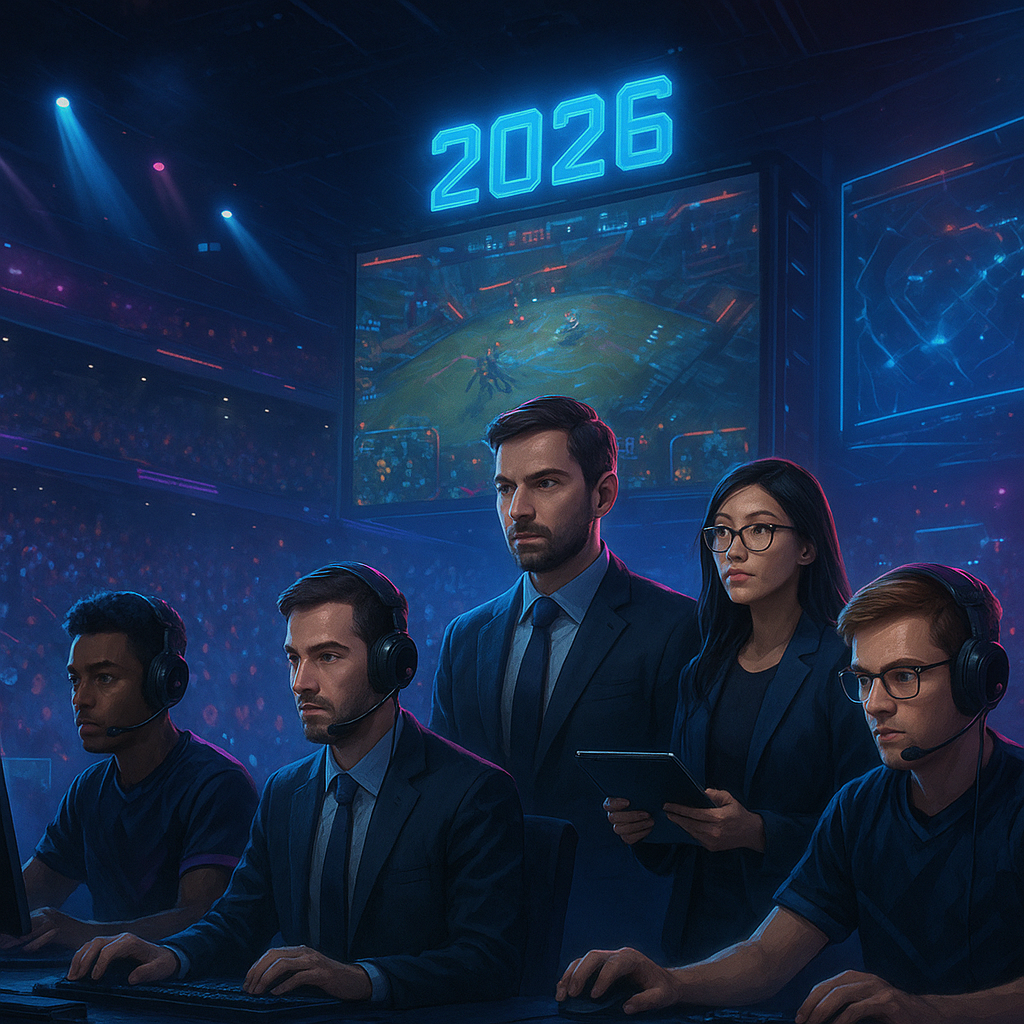
On a bustling Thursday in Seoul, a packed arena roars as two top-tier teams battle in a high-stakes tournament featuring cutting-edge virtual reality (VR) integration. This scene encapsulates esports’ evolution from niche pastime to mainstream spectacle. With prize pools surpassing $50 million annually in flagship events, esports has become not only a form of entertainment but a lucrative career avenue for players, coaches, analysts, and entrepreneurs alike.
Yet, as the industry matures, it faces complex challenges that demand innovative strategies to sustain momentum. These include navigating regulatory frameworks, expanding global talent pools, and leveraging emerging technologies to engage diverse demographics. Understanding the multi-dimensional nature of this ecosystem is critical to shaping its future trajectory.
Historical Trajectory and Market Foundations
The esports phenomenon traces its roots to the 1990s with the rise of competitive PC gaming, but it was the early 2010s that saw explosive growth catalyzed by streaming platforms like Twitch and YouTube Gaming. By 2020, esports had cemented itself as a global entertainment pillar, with tournaments like The International and the League of Legends World Championship attracting millions of viewers worldwide.
Industry revenue diversified beyond tournament prize money to sponsorships, media rights, merchandise, and in-game purchases. According to a 2024 report from Newzoo, Asia-Pacific accounted for nearly 50% of esports revenues, while North America and Europe contributed 30% and 15%, respectively. This regional distribution highlights the importance of tailored growth strategies sensitive to cultural and economic contexts.
In recent years, regulatory recognition has played a pivotal role. For example, India’s Ministry of Electronics and Information Technology (MeitY) released draft rules in late 2025 to formalize esports governance, fostering structured growth and investor confidence, as reported by Best Media. This regulatory clarity enables the industry to transition from informal competitions to professionalized ecosystems with defined career pathways.
Moreover, the professionalization of esports infrastructures—teams, leagues, academies, and coaching—has sharpened competitive standards, attracting traditional sports franchises and media conglomerates. This fusion has accelerated esports’ legitimacy and broadened economic opportunities beyond players to digital content creators, event managers, and technology developers.
Core Strategies Driving 2026 Industry Expansion
Advanced strategies underpinning esports growth in 2026 focus on technology adoption, market diversification, and talent development. Below are key pillars shaping the industry:
- Immersive Technology Integration: The incorporation of VR and augmented reality (AR) technologies has transformed player and viewer experiences. For instance, VR tournaments now offer fully immersive arenas where spectators can choose personalized viewing angles, enhancing engagement. Companies like Meta and Sony Interactive Entertainment have invested heavily in esports-centric hardware development.
- Decentralized Platforms and Web3: Blockchain and non-fungible tokens (NFTs) have introduced new monetization and fan engagement models. Esports organizations now issue NFTs as digital collectibles and fan passes, creating novel revenue streams and community-building tools.
- Global Talent Cultivation: Expanding grassroots programs and esports academies worldwide is vital. Emerging markets, particularly in Southeast Asia and Africa, are witnessing rapid player development due to targeted investments. Collaborative projects such as the Esports Coaching Academy Project Report 2026 provide frameworks for scalable training and career progression.
- Regulatory Harmonization: Navigating legal frameworks that vary by region remains complex. However, partnerships between industry bodies and governments—exemplified by India’s SARC Global and NODWIN Gaming strategic alliance—are accelerating standardized practices and enabling cross-border competitions.
- Diversification of Career Pathways: Beyond player roles, the rise of esports broadcasting, analytics, marketing, and event management careers offers broader employment opportunities. Streaming, in particular, is now a dominant career path, as reflected in a MoneyControl 2026 analysis highlighting its rapid ascent in India.
"The esports industry’s evolution hinges on integrating cutting-edge tech with sustainable talent pipelines and regulatory clarity," says Keith Roye II, a noted esports analyst, in a 2025 interview with Tribune242.
These strategies operate synergistically to create a resilient and scalable esports ecosystem capable of adapting to changing market demands and technological innovations.
2026 Developments: Trends and Market Dynamics
The esports landscape in 2026 is shaped by several noteworthy developments that both reflect and accelerate industry growth:
- Rise of Mobile Esports: Mobile gaming now dominates esports participation in populous regions such as India, Southeast Asia, and Latin America. Titles like PUBG Mobile and Free Fire have massive competitive scenes, prompting organizers to tailor tournaments for mobile platforms, expanding accessibility.
- Corporate and Media Investment Surge: Major media companies are acquiring esports rights and launching dedicated channels, while brands outside traditional gaming sectors are increasing sponsorships. This influx of capital fuels higher prize pools and enhanced production values.
- Hybrid Event Models: The post-pandemic era has cemented hybrid esports events combining physical venues with virtual participation. This model widens audience reach and offers flexible engagement options, maximizing commercial potential.
- AI-Driven Coaching and Analytics: Artificial intelligence tools are increasingly deployed to analyze player performance and devise training regimens. These data-driven approaches optimize skill development and strategic planning, raising competitive standards.
- Gender Diversity Initiatives: Industry stakeholders are actively promoting inclusivity, with programs encouraging female participation in playing, casting, and leadership roles. These efforts address historic imbalances and expand the talent pool.
Such developments reflect the maturation of esports from a predominantly youth-driven hobby to a fully-fledged professional domain. According to Vanguard, esports is rapidly becoming a key driver of employment, particularly in emerging economies where digital entrepreneurship flourishes.
Moreover, the global esports audience is estimated to surpass 700 million by the end of 2026, amplifying the industry's commercial appeal and cultural impact. This surge necessitates continued innovation in content delivery and fan engagement to maintain growth momentum.
Expert Insights and Industry Impact
Leading voices in esports emphasize strategic collaboration and adaptability as critical for sustained expansion. Industry veterans advocate for cross-sector partnerships and investment in human capital to navigate the evolving ecosystem.
"Esports growth lays a path for digital entrepreneurs, creating diverse opportunities beyond playing—content creation, event production, and tech innovation are flourishing," explains Keith Roye II in Tribune242.
Such perspectives highlight the critical role of ecosystem players beyond athletes, including coaches, analysts, and developers. For example, esports coaching academies offer structured education and career guidance, professionalizing roles that were once informal or volunteer-based.
Companies like Riot Games and Valve continue to pioneer competitive formats and community engagement, influencing industry standards globally. Their investment in sustainable prize pools, anti-cheating mechanisms, and player welfare programs demonstrates commitment to long-term viability.
The industry also impacts broader economic sectors by stimulating technology innovation and digital infrastructure development. Esports tournaments drive demand for high-speed networks, cloud computing, and streaming technologies, catalyzing infrastructure investments that benefit wider digital economies.
Recognizing the strategic importance of esports, governments increasingly integrate it within national digital and sports policies. This institutional support further legitimizes esports as a career and economic sector, creating a virtuous cycle of growth and professionalization.
Future Outlook and Strategic Takeaways
Looking ahead, esports growth will hinge on a few critical vectors shaping market dynamics and career opportunities:
- Continued Technological Innovation: Advances in 5G, AI, and immersive media will redefine gameplay and spectator experiences. Industry stakeholders must invest in R&D to remain competitive.
- Global Market Penetration: Emerging markets offer vast untapped potential. Tailoring content and competitive formats to local cultures and platforms will be essential.
- Sustainability and Ethics: Issues like player burnout, gambling, and fairness will require proactive governance and transparent regulation to maintain trust.
- Expanded Career Ecosystem: Education and certification programs will formalize roles in coaching, event management, and content creation, supporting diverse career pathways.
- Fan Engagement Innovation: Leveraging Web3 and interactive media to deepen fan participation will drive new monetization and loyalty models.
"The esports industry must balance rapid innovation with sustainable practices to unlock its full socio-economic potential," notes a senior executive from a leading esports firm.
For individuals seeking to enter esports careers, continuous skills development, networking, and adaptability are paramount. The growing prevalence of structured programs such as those detailed in the Esports Coaching Academy Project Report 2026 provides valuable pathways for aspiring professionals.
In parallel, industry participants are encouraged to explore the broader esports ecosystem including media production, marketing, analytics, and technology development. Diverse opportunities abound beyond player roles, reflecting the sector’s complexity and maturity.
To understand the broader scope of esports growth and careers, readers may also consult WriteUpCafe’s detailed analysis in Esports Industry Growth & Careers in 2026, which complements this strategic overview with case studies and market data.
Conclusion
The esports industry’s growth and career landscape in 2026 is characterized by rapid innovation, expanding global reach, and increasing professionalization. Advanced strategies incorporating technology, regulatory cooperation, talent development, and diversified career pathways are central to sustaining this momentum.
As esports continues to evolve, stakeholders must embrace a holistic approach balancing technological advancements with ethical governance and inclusive growth. For players, entrepreneurs, and professionals alike, esports offers a dynamic arena full of opportunity—where passion meets professionalism in a digitally connected world.
The ongoing convergence of gaming, media, and technology heralds a transformative era for esports, making it one of the most exciting sectors to watch and participate in this decade.




























Sign in to leave a comment.