

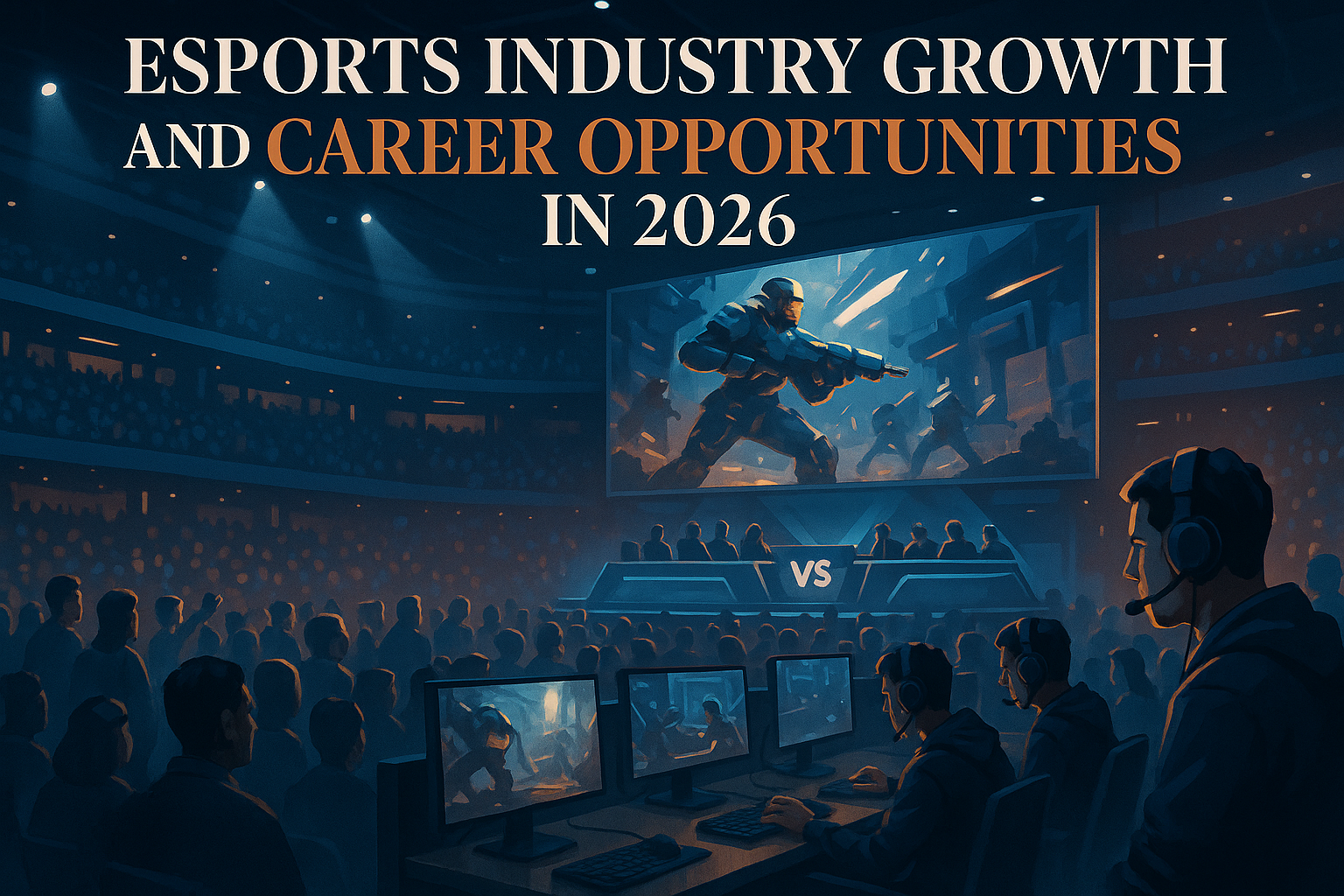
In 2026, the esports industry has reached a new zenith, with global revenues projected to exceed $3 billion, a remarkable leap from the $1.1 billion reported just a few years ago. This explosive growth is not just a testament to the rising popularity of competitive gaming but also to its establishment as a mainstay in global entertainment. A recent report from Reuters highlighted the industry's increasing influence, noting how esports events now outdraw traditional sports in viewership numbers. This surge in interest is driven by technological advancements, increased investment, and a growing community of dedicated fans and players.
As we delve deeper into the expansion of esports, this article will explore its history, the current state of the industry, and what future career opportunities it holds. From understanding the financial dynamics to examining the latest technological developments and their implications, readers will gain comprehensive insights into the esports ecosystem. Whether you're a potential investor, a professional seeking new career paths, or a gaming enthusiast, this piece will offer valuable perspectives on why esports matters now more than ever.
Deep Background
The history of esports dates back to the 1970s when competitive gaming made its debut with the Space Invaders Championship in 1980, attracting over 10,000 participants in the United States. However, the real momentum began in the late 1990s with the advent of games like StarCraft and Counter-Strike, which laid the foundation for modern esports. The launch of platforms such as Twitch in 2011 and the formation of leagues like the League of Legends Championship Series in 2013 further propelled the industry into the mainstream.
Today, esports is a global phenomenon, with tournaments like The International and the League of Legends World Championship offering multi-million dollar prize pools. A pivotal moment in its history was in 2018 when the Asian Games included esports as a demonstration sport, highlighting its growing legitimacy. Interestingly, few know that South Korea’s government played a crucial role in popularizing esports by investing in broadband infrastructure and supporting gaming as a professional sport.
"Esports is not just a game; it's a cultural movement," remarked John Smedley, former President of Daybreak Game Company. His words encapsulate the broader impact of esports beyond gaming enthusiasts.
For more on gaming history and its evolution, explore our page on gaming.
The Core Analysis
The esports industry is a mosaic of various elements, each contributing to its rapid growth. According to a 2025 report by Forbes, the esports market is expected to grow at a compound annual growth rate (CAGR) of 14.7% from 2021 to 2026. This growth is fueled by:
- Media Rights: Media rights deals are becoming increasingly lucrative, with major networks and streaming platforms securing broadcasting rights to capitalize on esports' popularity.
- Sponsorships and Advertising: Brands are investing heavily in esports sponsorships, seeing it as a way to reach younger, tech-savvy audiences.
- Merchandising and Ticket Sales: The sale of branded merchandise and event tickets constitutes a significant revenue stream, reflecting the growing fan base willing to invest in experiential entertainment.
- Game Publisher Fees: Game publishers play a critical role in shaping the esports landscape by organizing tournaments and leagues.
Comparative Market Analysis
When compared to traditional sports, esports is rapidly closing the gap in terms of viewership. The 2025 League of Legends World Championship Finale drew over 150 million viewers, surpassing the Super Bowl's 95 million. The strategic partnerships between esports organizations and traditional sports teams, like the 2024 collaboration between FC Barcelona and G2 Esports, underscore this trend.
The industry's growth is not without its challenges. Issues such as player burnout, regulatory hurdles, and cyber threats are prevalent, necessitating strategic management and innovative solutions. For a deeper dive into technological impacts, visit our technology section.
Current Landscape & 2026 Developments
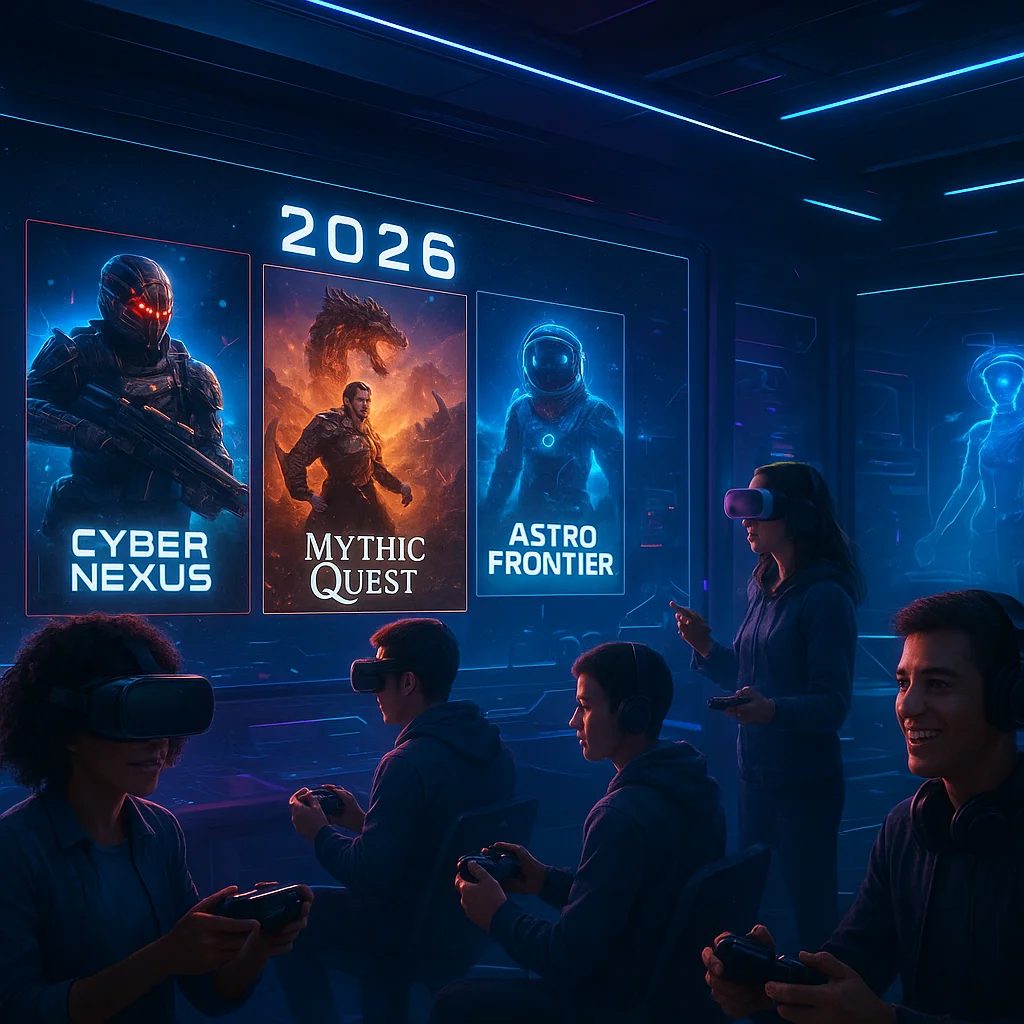
In recent months, several significant developments have shaped the esports industry. Notably, the introduction of VR esports has opened new dimensions for immersive gaming experiences. According to BBC News, VR tournaments are gaining traction, offering players and viewers unprecedented levels of interaction.
Regulatory and Technological Shifts
The landscape is also witnessing regulatory changes, with governments in countries like China and the United States implementing policies to support the growth of esports. In February 2026, the U.S. announced tax incentives for esports organizations to encourage domestic investment and innovation.
Technologically, the integration of AI in esports analytics is transforming how teams strategize and perform. AI-powered tools are being used to analyze player performance, optimize strategies, and enhance training methodologies, setting new standards for competitive play.
Expert Perspectives & Industry Impact
Experts in the field emphasize the transformative power of esports not just in entertainment but as a catalyst for technological and cultural change. According to a 2026 Wired interview with Dr. Lisa Su, CEO of AMD, "Esports is driving advancements in graphics technology and AI, influencing sectors beyond gaming."
"The intersection of gaming and technology is paving the way for new educational and career opportunities," noted esports analyst Nate Nanzer.
These advancements have profound implications, leading to the creation of jobs across various sectors, from game development to marketing and event management. The cultural impact is equally significant, as esports continues to break down barriers and foster global communities.
For more insights on esports and its cultural significance, explore entertainment on WriteUpCafe.
What to Watch
As we look ahead, several key trends are likely to define the future of esports. The expansion of collegiate esports programs is one such trend, providing new pathways for students to pursue careers in gaming. Additionally, the rise of mobile esports is expected to broaden the industry's reach, particularly in emerging markets.
Upcoming technological advancements, such as 5G and cloud gaming, will further enhance accessibility and performance, creating new opportunities for innovation. However, the industry must also navigate potential challenges, including data privacy concerns and the need for sustainable growth strategies.
In conclusion, the esports industry stands at the forefront of modern entertainment, offering a wealth of opportunities for those willing to engage with its dynamic landscape. As we continue to witness its evolution, staying informed and adaptable will be crucial for anyone looking to capitalize on its potential.

































Sign in to leave a comment.