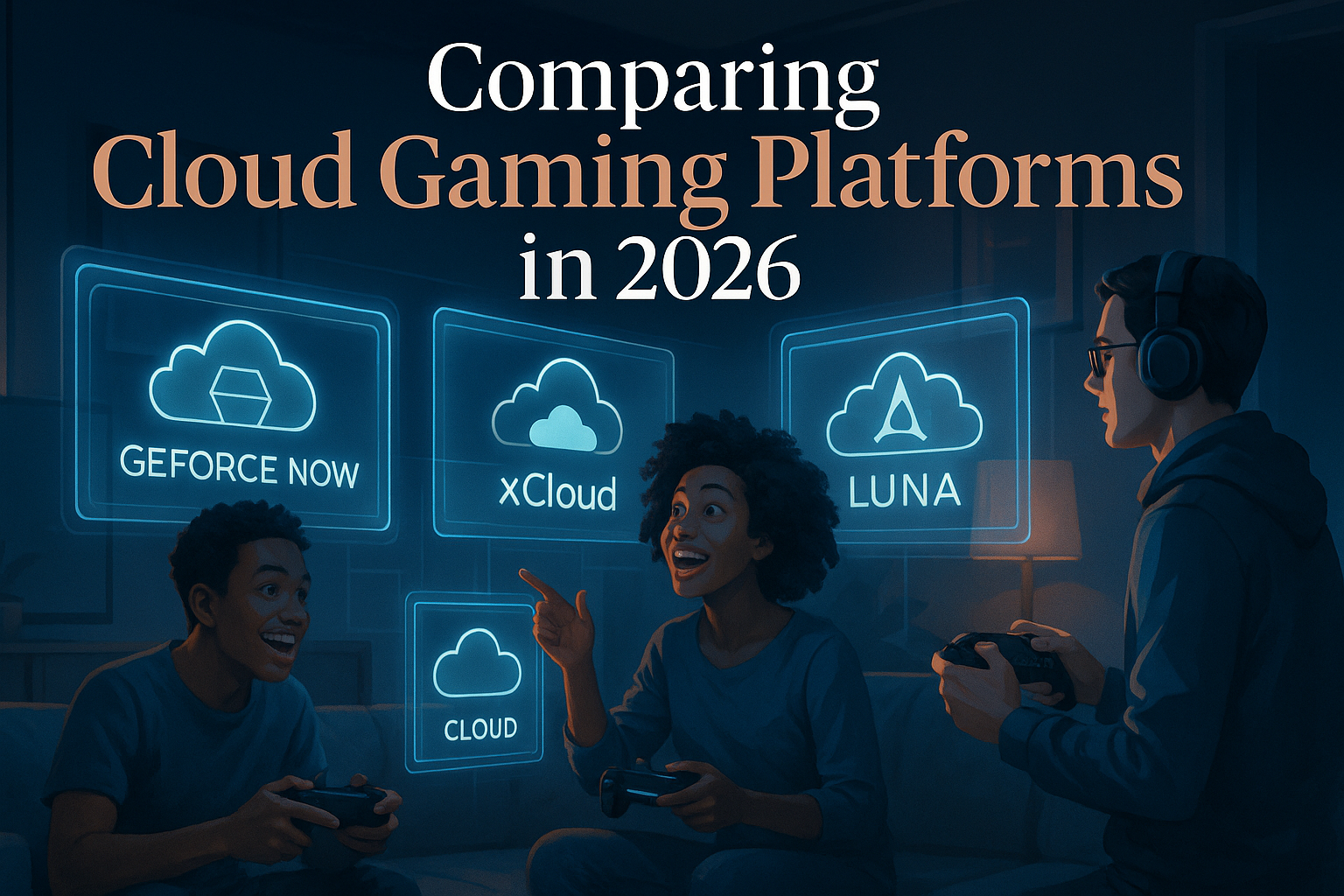

In 2026, the gaming industry is experiencing a transformative shift with the burgeoning popularity of cloud gaming platforms. According to a recent report by BBC, the cloud gaming market is projected to surpass $6 billion in revenue this year, a remarkable feat considering its nascent state just a few years ago. This explosive growth is driven by technological advancements, increased internet speeds, and a growing consumer appetite for flexible, hardware-agnostic gaming experiences.
The importance of this shift cannot be overstated. As traditional console sales plateau and gamers demand more versatile solutions, cloud gaming platforms are stepping in to fill the void. From an economic standpoint, this transition poses both opportunities and challenges for developers, consumers, and tech giants alike. With companies like Microsoft, Sony, and Nvidia vying for dominance, understanding the current landscape of cloud gaming is essential for industry stakeholders and enthusiasts.
This article delves into the historical background of cloud gaming, analyzes key players in the market, explores recent developments in 2026, and provides expert perspectives on the industry's impact. By the end, readers will have a comprehensive understanding of where cloud gaming stands today and where it might be headed in the future.
Deep Background
The concept of cloud gaming dates back to the early 2000s, but it wasn't until the late 2010s that it started gaining traction. The origin story of cloud gaming is intertwined with advancements in cloud computing technology and broadband internet. Notably, OnLive, founded in 2003, was one of the pioneers, offering gamers the ability to stream games over the internet without high-end hardware. Despite its initial promise, OnLive struggled with technical limitations and business challenges, eventually shutting down in 2015.
As technology evolved, so did the potential for cloud gaming. The introduction of 5G networks and improvements in data center infrastructure paved the way for a new wave of platforms. In 2019, Google launched Stadia, marking a significant moment for cloud gaming as a mainstream product. Although Stadia faced its own set of challenges, including a lack of exclusive content and consumer skepticism, it laid the groundwork for future developments in the sector.
"Cloud gaming is not just about technology; it's about reimagining the entire gaming experience," said Phil Spencer, CEO of Microsoft Gaming, highlighting the transformative potential of this technology.
Today, platforms like Xbox Cloud Gaming, Nvidia GeForce Now, and PlayStation Now are leveraging their extensive resources and ecosystems to push cloud gaming into the limelight. For more insights on gaming trends, explore gaming on WriteUpCafe.
The Core Analysis
The current cloud gaming market is characterized by fierce competition and rapid technological advancements. As of 2026, the market is dominated by a few key players, each offering unique value propositions to attract different segments of the gaming community. According to a Forbes report, Microsoft leads the pack with its Xbox Cloud Gaming service, leveraging its Xbox Game Pass Ultimate to integrate a vast library of games with seamless cloud access.
Key Players and Market Share
- Microsoft Xbox Cloud Gaming: With a market share of nearly 40%, Microsoft's platform benefits from extensive integration with Xbox consoles and PCs, offering a seamless transition for existing Xbox Game Pass subscribers.
- Nvidia GeForce Now: Known for its high-performance streaming capabilities, GeForce Now captures about 25% of the market. Its unique "bring your own games" model allows users to play titles they already own on platforms like Steam and Epic Games.
- Sony PlayStation Now: Holding approximately 20% of the market, PlayStation Now offers a robust library of PlayStation exclusives and a competitive subscription model.
- Amazon Luna: Despite being a smaller player with 10% market share, Luna is gaining traction with its channel-based subscription model and integration with Amazon Prime.
The remaining 5% is shared among emerging players like Google's revamped cloud gaming initiatives and regional services focusing on localized content.
Market dynamics are influenced by various factors, including subscription models, content exclusivity, and technological integration. The introduction of AI-driven enhancements in 2025, as reported by Wired, has improved latency and personalized gaming experiences, giving platforms a competitive edge.
Current Landscape & 2026 Developments
The landscape of cloud gaming in 2026 is shaped by recent technological breakthroughs and strategic partnerships. One of the most notable developments is the integration of machine learning algorithms to optimize game streaming quality and reduce latency, as highlighted in a recent Bloomberg article.
Technological Advancements
AI-driven technologies have enabled real-time adjustments to streaming quality based on network conditions, significantly enhancing user experience. Furthermore, the deployment of edge computing resources has reduced data transmission times, making cloud gaming viable even in regions with less robust internet infrastructure.
Another significant development is the focus on exclusive content. Companies are investing heavily in acquiring game studios and developing platform-exclusive titles to differentiate their offerings. This trend mirrors the content wars seen in video streaming services, where exclusive content is a key differentiator.
These advancements, along with strategic partnerships with major telecommunications companies, have expanded the reach and accessibility of cloud gaming platforms globally.
Expert Perspectives & Industry Impact
Industry experts are optimistic about the future of cloud gaming, citing its potential to democratize gaming by lowering the entry barrier for consumers. According to a technology expert panel on WriteUpCafe, cloud gaming could become the dominant form of gaming within the next decade, driven by technological advancements and changing consumer preferences.
"Cloud gaming is set to revolutionize the industry by making high-quality gaming experiences accessible to a broader audience," predicts Lisa Su, CEO of AMD, emphasizing the role of advanced processing technologies in this transformation.
Economically, the shift towards cloud gaming is expected to impact hardware sales, with a potential decline in demand for high-end gaming consoles and PCs. However, this transition also opens new revenue streams through subscription models and microtransactions.
Socially, cloud gaming can foster a more inclusive gaming culture by allowing gamers to access the latest titles without significant financial investment in hardware. This inclusivity could lead to a more diverse player base and innovative game development.
What to Watch
As the cloud gaming industry continues to evolve, several key developments warrant close attention. Firstly, the ongoing race for exclusive content will likely intensify, with platforms investing in studio acquisitions and new IPs to attract subscribers. Keeping an eye on these deals can provide insights into future industry dynamics.
Secondly, advancements in network infrastructure, particularly the rollout of 6G technology, could further enhance cloud gaming capabilities, enabling even more seamless and immersive experiences. Monitoring these technological developments will be crucial for understanding the future potential of cloud gaming.
Finally, regulatory considerations, particularly concerning data privacy and net neutrality, could impact the industry's growth trajectory. As cloud gaming platforms collect vast amounts of data, ensuring compliance with evolving regulations will be critical for sustaining consumer trust.
In conclusion, cloud gaming platforms are on the cusp of a new era, driven by technological innovation and strategic initiatives. As we look ahead, the potential for cloud gaming to redefine the gaming landscape is immense, offering both challenges and opportunities for industry stakeholders.


























Sign in to leave a comment.