

In 2026, gaming has firmly entrenched itself as both a dominant form of entertainment and a lucrative industry. According to Newzoo, the global gaming market is projected to reach $256 billion by the end of the year, with a significant portion driven by PC gaming. As AAA games become increasingly demanding, the necessity for high-performance rigs grows, yet the budget-conscious gamer still seeks to build a competent setup without breaking the bank. This guide aims to empower you to build a gaming PC that balances performance and cost-effectiveness.
We will explore the evolution of gaming PCs, delve into the current market landscape, analyze key components that deliver the best bang for your buck, and offer expert insights into future trends. Whether you're a seasoned builder or a first-time enthusiast, understanding these dynamics is crucial for making informed decisions in today's rapidly evolving tech environment.
Deep Background
The journey of gaming PCs began in the late 1970s and early 1980s, with brands like Commodore and Atari leading the charge. As technology evolved, so did consumer expectations and the capabilities of personal computers. By the 1990s, companies like Dell and HP had made significant strides in making PCs more accessible to the average consumer. However, it wasn't until the early 2000s that the concept of customizable gaming PCs truly took off, powered by the rise of companies like Alienware, which was founded in 1996.
"The gaming PC market has always been defined by its passion for performance and personalization," said Frank Azor, co-founder of Alienware.
Gaming PCs evolved from niche products to mainstream essentials as eSports and streaming platforms like Twitch gained popularity. A lesser-known fact is that Valve Corporation's release of Steam in 2003 revolutionized the distribution of games, significantly boosting the PC gaming ecosystem. This transformation has paved the way for today's diverse and competitive component market, allowing even budget builders to create powerful machines.
For more insights into gaming trends, visit WriteUpCafe's gaming page.
The Core Analysis
Building a budget gaming PC in 2026 involves strategic selection of components. The market offers a plethora of options, but understanding the cost-to-performance ratio is key. According to a 2026 report by Statista, the average cost of building a mid-range gaming PC is approximately $900. However, savvy choices can bring this down significantly without sacrificing performance.
Key Components
- CPU: AMD continues to dominate the budget segment with its Ryzen 5 series, offering six cores and twelve threads for around $150. Intel's i5 series is a close competitor, but often at a higher price point.
- GPU: NVIDIA's GTX 1650 remains a popular choice for budget builds, priced at approximately $200. AMD's Radeon RX 6600 offers slightly better performance for a similar price.
- RAM: 16GB of DDR4 RAM is standard, with prices hovering around $60. Opt for brands like Corsair or Kingston for reliability.
- Storage: A 1TB SSD from Samsung or Western Digital, priced at $80, provides ample storage and quick load times.
- Motherboard: B550 chipsets for AMD or B660 for Intel offer good feature sets for around $100.
Bloomberg reports a steady decline in component prices due to increased competition and innovation, making 2026 a favorable year for budget builders. The strategic choice of parts not only impacts performance but also the longevity and future upgradability of your system.
Current Landscape & 2026 Developments
The gaming hardware market in 2026 is characterized by rapid technological advancements and fierce competition. Recently, NVIDIA announced its new Ada Lovelace architecture, promising significant performance improvements for future GPU models. This has driven down the prices of prior generation cards, benefiting budget-conscious consumers.
Recent Innovations
AMD's latest announcement of its Zen 5 architecture with integrated AI capabilities marks a paradigm shift in CPU technology, as reported by TechCrunch. The integration of AI not only enhances gaming performance but also streamlines tasks like streaming and content creation, offering additional value to gaming PC builds.
Another notable development is the push for eco-friendly components, as sustainability becomes a priority across the tech industry. Leading brands are now producing energy-efficient parts that reduce the carbon footprint of gaming rigs.
Expert Perspectives & Industry Impact
Industry experts emphasize the significance of budget gaming PCs in democratizing access to high-performance gaming. According to a report by Deloitte, affordable yet powerful PCs are crucial in expanding the gaming market by making it accessible to a broader audience.
"The future of gaming is inclusive, and budget-friendly hardware plays a pivotal role in that vision," asserts Lisa Su, CEO of AMD.
From an economic perspective, the budget gaming segment drives innovation and competition, pushing manufacturers to develop cost-effective technologies. Culturally, it fosters a diverse gaming community by removing financial barriers to entry, thus enriching the overall gaming ecosystem.
For more discussions on technology's impact, visit WriteUpCafe's technology page.
What to Watch
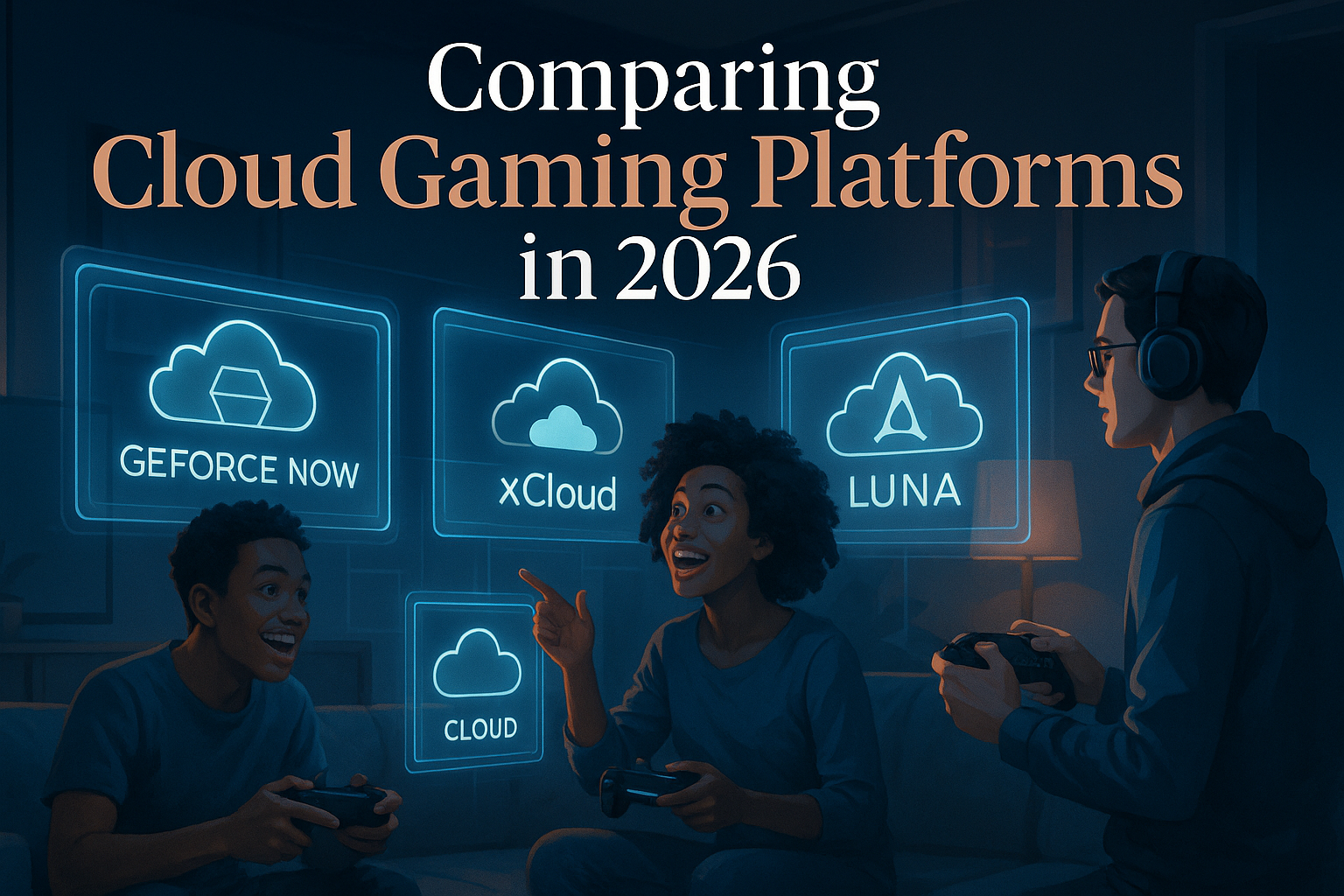
As we look to the future, several trends and developments are poised to shape the gaming PC landscape. The continued evolution of cloud gaming services like NVIDIA GeForce Now and Microsoft xCloud offers an alternative to traditional PC builds, potentially reducing the dependence on high-end hardware.
Moreover, the advent of quantum computing, though still in its infancy, promises unprecedented computational power, which could revolutionize game design and hardware requirements in the coming decades. Monitor advancements in this area as they could redefine the very nature of gaming.
In conclusion, building a gaming PC on a budget in 2026 is not only feasible but also an exciting endeavor, thanks to the myriad of options available. By staying informed and making strategic choices, gamers can enjoy high-quality experiences without financial strain, setting the stage for a dynamic and inclusive gaming future.






















Sign in to leave a comment.