

Introduction
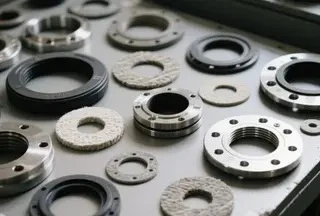
Non-metal sealing ASME B16.21 RF/FF non-asbestos gaskets have gained increasing attention in mechanical engineering and industrial applications. Offering a safer alternative to traditional asbestos-containing gaskets, these solutions eliminate serious health risks associated with asbestos exposure while providing reliable sealing performance. This article explores the evolution, features, advantages, and industrial applications of non-metal sealing ASME B16.21 RF/FF non-asbestos gaskets, highlighting why they are becoming the preferred choice across multiple sectors.
1. Historical Perspective and Gasket Evolution
To understand the significance of non-asbestos gaskets, it is useful to examine the history of gasket technology and the role of asbestos.
Gaskets have long been used to seal joints and prevent leakage in mechanical systems. Early gaskets were made from organic materials such as leather, cloth, and rubber. While functional, these materials had limitations under high temperatures and pressures.
The early 20th century saw the widespread adoption of asbestos in gaskets due to its exceptional heat resistance and durability. Industries including manufacturing, automotive, construction, and shipbuilding relied heavily on asbestos gaskets for critical sealing applications.
However, the health risks of asbestos—such as lung cancer, mesothelioma, and other respiratory diseases—prompted regulatory action and the search for safer alternatives. Beginning in the 1970s, non-asbestos gasket materials, such as aramid fibers, mineral fibers, and synthetic elastomers, began replacing asbestos. These materials offered comparable sealing performance while significantly reducing health and environmental risks.
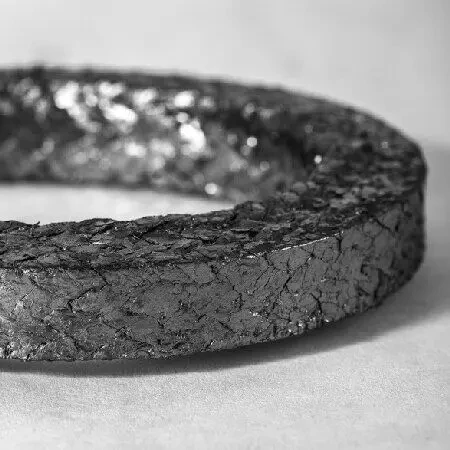
Advancements such as molded rubber, compressed fiber, and expanded graphite gaskets further improved sealing performance, flexibility, and durability. The ASME B16.21 standard was established to regulate non-metallic gaskets, ensuring compatibility and reliability across industrial piping systems.
Today, non-metal sealing ASME B16.21 RF/FF non-asbestos gaskets are widely adopted across industries, offering safe, durable, and efficient sealing solutions.
2. Features and Key Properties
Non-metal sealing ASME B16.21 RF/FF non-asbestos gaskets are engineered for demanding industrial applications, offering unique properties that enhance performance and safety.
Composition:
These gaskets are made from non-asbestos materials, including:
- Aramid fibers (e.g., Kevlar®): High tensile strength, heat resistance up to 400°C, excellent chemical resistance.
- Mineral fibers (e.g., glass fibers): Thermal stability, heat resistance up to 550°C, insulating properties.
- Synthetic fibers (e.g., Nitrile, EPDM, Neoprene): Resistance to oils, fuels, and solvents; ideal for automotive and industrial applications.
- Cellulose fibers: Low-to-moderate pressure applications; temperatures up to 200°C; cost-effective and chemically resistant.
Heat Resistance:
- Capable of withstanding extreme temperatures ranging from -100°C (-148°F) to 550°C (1022°F), depending on material selection.
Chemical Resistance:
- Resists oils, acids, alkalis, solvents, and refrigerants, making these gaskets suitable for industries such as chemical processing, oil and gas, pharmaceuticals, and food production.
Compliance:
- Fully compliant with ASME B16.21, ensuring standardized dimensions, materials, and performance characteristics.
Sealing Performance:
- Low gas and fluid permeability.
- Excellent compression and recovery properties for repeated use without loss of sealing efficiency.
3. Advantages and Benefits
Non-metal sealing ASME B16.21 RF/FF non-asbestos gaskets offer numerous advantages over traditional asbestos-containing gaskets:
- Safety:
- Eliminates health risks linked to asbestos exposure, protecting workers during installation, maintenance, and removal.
- Environmental Friendliness:
- Reduces the release of toxic substances, mitigates pollution, and simplifies disposal, supporting sustainable industrial operations.
- Sealing Efficiency:
- Provides reliable, long-lasting seals in high-pressure applications, preventing leaks and equipment damage.
- Chemical Resistance:
- Ensures durability in environments with aggressive chemicals, safeguarding equipment and process integrity.
- High-Temperature Resistance:
- Maintains mechanical and sealing properties under extreme thermal conditions, preventing operational failures.
- Cost-Effectiveness:
- Longer lifespan, reduced maintenance requirements, and lower risk of equipment damage offset any upfront cost differences, resulting in overall savings.
4. Case Studies and Applications
1. Oil and Gas Industry:
- Used in offshore and onshore operations to seal flanged connections in pipelines and equipment.
- High chemical and heat resistance reduces environmental contamination and enhances worker safety.
2. Chemical Industry:
- Seals pumps, valves, and flanged connections handling aggressive chemicals.
- Reduces leaks, downtime, and maintenance costs while protecting personnel and equipment.
3. Power Generation:
- Utilized in boilers, turbines, and piping systems to prevent steam and gas leaks.
- Withstands high temperatures and pressures, ensuring safe and efficient plant operations.
4. Automotive Industry:
- Applied in engines, transmissions, and exhaust systems.
- Provides chemical and heat resistance for reliable long-term sealing.
Conclusion
Non-metal sealing ASME B16.21 RF/FF non-asbestos gaskets represent a key advancement in industrial sealing technology. By combining safety, environmental sustainability, chemical resistance, and high-temperature performance, these gaskets provide reliable and cost-effective solutions across a wide range of industries.
As industries continue to prioritize worker safety, operational efficiency, and environmental responsibility, the adoption of non-asbestos gaskets will likely expand. Further research and technological improvements in non-metal sealing solutions will help unlock their full potential, contributing to a safer and more sustainable industrial future.It's important to know about Google SEO to help your website rank higher in search results.










Sign in to leave a comment.