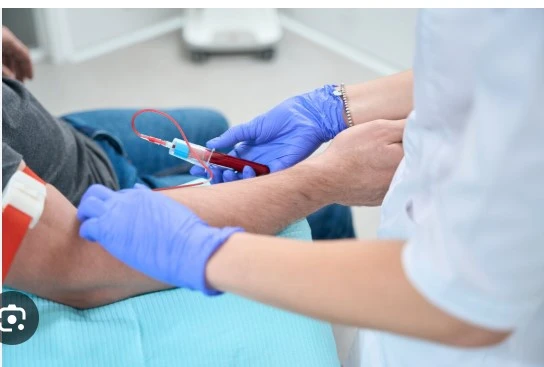
The catheter tip syringes industry plays a quiet but critical role in modern healthcare. While often overshadowed by more complex medical devices, catheter tip syringes are indispensable tools used daily across hospitals, clinics, laboratories, and even home care settings. Their design, material quality, and application-specific functionality directly influence patient safety, treatment effectiveness, and clinical efficiency. As healthcare systems continue to emphasize infection control, precision delivery, and user-friendly equipment, this industry has evolved significantly to meet growing demands.
Understanding the Role of Catheter Tip Syringes
Catheter tip syringes are specialized syringes designed with a wider, tapered tip instead of a standard luer lock or luer slip connection. This design allows them to connect easily to catheters, tubing, feeding systems, and wound irrigation equipment. They are commonly used for flushing catheters, administering enteral nutrition, irrigating wounds, and delivering fluids where standard needles are not required.
In many clinical settings, professionals rely on the syringe catheter tip to deliver fluids smoothly without causing pressure damage or leakage. This makes them especially suitable for delicate procedures involving sensitive tissues or long tubing systems.
Key Applications Across Healthcare Settings
Catheter Flushing and Maintenance
One of the most common uses of catheter tip syringes is flushing urinary or surgical catheters. Regular flushing helps prevent blockages, reduces infection risks, and ensures proper catheter function. The wider opening allows for consistent flow, minimizing resistance and patient discomfort.
Enteral Feeding and Medication Delivery
In enteral feeding, precision and hygiene are essential. Catheter tip syringes are frequently used to deliver liquid nutrition and medications directly into feeding tubes. Their design reduces the risk of accidental disconnection and spillage, which is critical in both hospital and home care environments.
Wound Irrigation and Cleaning
Effective wound care requires controlled irrigation to remove debris without damaging healing tissue. Catheter tip syringes provide clinicians with better control over fluid flow, making them ideal for wound cleansing, post-surgical care, and burn treatment.
Laboratory and Research Use
Beyond patient care, these syringes are also used in laboratories for transferring fluids, preparing samples, and conducting controlled experiments. Their versatility makes them valuable tools in pharmaceutical research and diagnostic testing.
Materials and Manufacturing Standards
The performance of catheter tip syringes depends heavily on material quality and manufacturing precision. Most are produced using medical-grade polypropylene, which offers durability, chemical resistance, and transparency for accurate volume measurement. Latex-free construction is now standard, addressing allergy concerns and enhancing patient safety.
Manufacturers must adhere to strict regulatory standards, including ISO certifications and compliance with medical device regulations. Sterilization processes such as ethylene oxide or gamma radiation ensure the syringes are safe for clinical use. As healthcare regulations become more stringent, manufacturers are investing in advanced quality control systems to maintain consistency and reliability.
Innovation and Design Improvements
The catheter tip syringes industry has seen steady innovation in recent years. Design enhancements focus on improving ergonomics, accuracy, and safety. Graduated markings are now clearer and more resistant to fading, allowing clinicians to measure fluids precisely even during extended procedures.
Plunger design has also improved, offering smoother movement and better grip. This reduces hand fatigue for healthcare professionals who syringe catheter tip perform repetitive tasks throughout long shifts. Some manufacturers are developing syringes with enhanced sealing mechanisms to prevent leakage and contamination during use.
Infection Control and Single-Use Trends
Infection prevention remains a top priority in healthcare, driving the shift toward single-use medical devices. Disposable catheter tip syringes significantly reduce the risk of cross-contamination and hospital-acquired infections. While reusable options still exist in certain controlled environments, most healthcare facilities prefer single-use syringes to meet hygiene protocols and regulatory requirements.
This trend has also influenced packaging innovations. Individually wrapped, sterile syringes with tamper-evident seals are now standard, ensuring safety from manufacturing to point of use.
Market Growth and Global Demand
The global demand for catheter tip syringes continues to rise due to aging populations, increasing prevalence of chronic diseases, and expansion of home healthcare services. Patients managing long-term conditions often require catheter care, feeding assistance, or wound management at home, increasing reliance on user-friendly, safe medical supplies.
Emerging markets are also contributing to industry growth as healthcare infrastructure improves and access to medical supplies expands. Manufacturers are responding by offering cost-effective solutions without compromising quality, making these devices accessible to a broader population.
Sustainability and Environmental Considerations
As disposable medical devices become more prevalent, environmental impact has become a growing concern. The catheter tip syringes industry is beginning to explore sustainable manufacturing practices, including recyclable materials and reduced packaging waste. While patient safety remains the top priority, balancing environmental responsibility with medical standards is an ongoing challenge.
Some manufacturers are investing in research to develop eco-friendly polymers and energy-efficient production processes. These efforts reflect a broader industry commitment to sustainability without sacrificing performance or compliance.
The Importance of Education and Proper Use
Even the most well-designed medical device requires proper usage to deliver optimal results. Training healthcare professionals and caregivers on correct handling, disposal, and application of catheter tip syringes is essential. Clear instructions, visual guides, and standardized protocols help reduce errors and improve patient outcomes.
Understanding when and how to use a syringe catheter tip correctly can prevent complications such as tubing damage, fluid leakage, or patient discomfort. Education initiatives play a crucial role in maximizing the benefits of these devices across all care settings.
Looking Ahead
The catheter tip syringes industry may not always be in the spotlight, but its impact on healthcare delivery is undeniable. Through continuous innovation, strict quality standards, and responsiveness to clinical needs, the industry supports safer, more efficient patient care worldwide. As healthcare continues to evolve, these essential tools will remain a cornerstone of everyday medical practice, adapting quietly but effectively to meet the demands of modern medicine.





























Sign in to leave a comment.