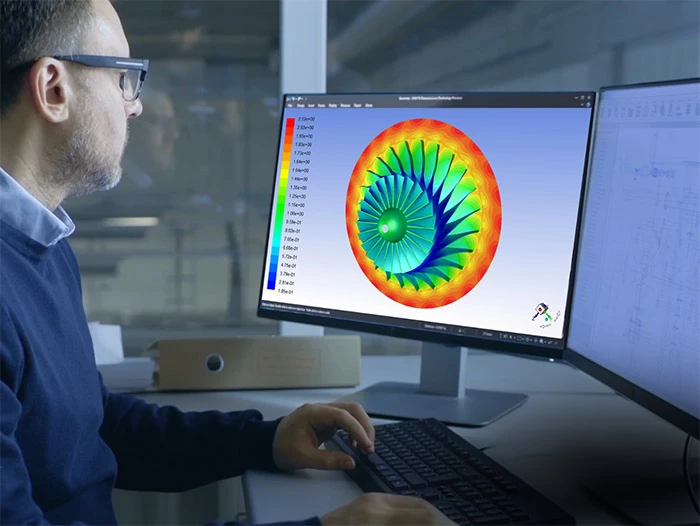

In today’s era of rapid technological advancement, precision and reliability are at the heart of every successful product. From life-saving medical devices to aerospace systems and next-generation electronics, engineering teams depend on simulation to predict real-world performance before production begins. Services like FEA engineering, medical device consulting, EMI analysis, and expertise from an experienced antenna design consultant are now essential components of innovation.
By integrating these advanced analysis tools, companies can minimize costs, reduce development cycles, and deliver high-performance products that meet regulatory and operational standards.
The Foundation of Product Design: FEA Engineering
FEA engineering (Finite Element Analysis) is one of the most powerful tools in modern product design. It allows engineers to virtually test and evaluate how components behave under real-world conditions such as stress, vibration, heat, and load.
Instead of relying solely on physical prototypes, engineers can use FEA to simulate scenarios like fatigue failure, thermal distortion, and dynamic motion—providing valuable insights during early design stages. This predictive power enables better material selection, design optimization, and improved reliability.
Key benefits of FEA engineering include:
- Structural Validation: Ensure product strength, durability, and compliance with safety standards.
- Cost Reduction: Minimize material waste and reduce physical testing.
- Optimized Design: Refine components for performance and weight efficiency.
- Failure Prevention: Identify weak points before manufacturing.
Industries such as aerospace, automotive, energy, and healthcare depend on FEA to bring innovative designs to life with greater confidence and precision.
Precision in Healthcare: The Role of Medical Device Consulting
The medical industry demands unmatched reliability and compliance. That’s where medical device consulting plays a crucial role. This service bridges the gap between conceptual design and regulatory approval, ensuring that medical products meet performance, safety, and quality standards.
Consultants specializing in medical device simulation use advanced FEA and CFD techniques to analyze devices such as implants, surgical instruments, prosthetics, and diagnostic tools. Simulations can evaluate stress on implants, blood flow through stents, or the fatigue resistance of surgical tools—all without invasive testing.
Key areas where medical device consulting makes an impact include:
- Product Safety and Compliance: Meeting FDA, ISO, and CE standards.
- Design Optimization: Reducing weight and improving ergonomics.
- Simulation-Driven Testing: Validating product performance in silico before clinical trials.
- Faster Market Entry: Shortening design cycles with accurate virtual testing.
With engineering simulation, medical device companies can develop safer, more effective products while minimizing development costs and timelines.
EMI Analysis: Ensuring Electromagnetic Compatibility
In the digital age, electronic devices are everywhere—from smartphones and sensors to advanced aerospace and defense systems. However, with this connectivity comes the challenge of electromagnetic interference (EMI). Poor EMI management can lead to malfunction, data loss, or even total system failure.
That’s where EMI analysis becomes essential. It evaluates how electromagnetic emissions affect device performance and ensures compliance with strict EMC (Electromagnetic Compatibility) standards.
Engineers conducting EMI analysis focus on:
- Shielding Effectiveness: Designing enclosures that prevent unwanted emissions.
- Signal Integrity: Ensuring consistent communication without interference.
- Compliance Testing: Meeting international EMI/EMC standards.
- System Safety: Preventing interference with medical and aerospace equipment.
Through EMI analysis, engineers can identify potential problem areas early in the design phase, preventing costly redesigns and ensuring reliable, interference-free operation.
The Expertise of an Antenna Design Consultant
Wireless communication is central to modern technology. From 5G networks and IoT devices to defense systems and satellites, high-performing antennas are essential. An antenna design consultant specializes in creating and optimizing antennas to meet specific operational requirements while maintaining efficiency and compliance.
These experts utilize simulation and testing to refine antenna geometry, frequency, and placement. Their analysis ensures stable performance across varying environmental and structural conditions.
Core services provided by antenna design consultants include:
- Antenna Geometry Optimization: Tailoring designs for desired frequency and gain.
- Electromagnetic Simulation: Predicting signal propagation and coverage.
- Integration Solutions: Ensuring antennas work seamlessly within devices or vehicles.
- Compliance Testing: Meeting RF exposure and safety regulations.
Antenna design consulting is critical across industries such as telecommunications, defense, aerospace, and automotive — ensuring robust connectivity and efficient communication systems.
How These Disciplines Work Together
While each of these fields — FEA engineering, medical device consulting, EMI analysis, and antenna design consulting — serves distinct purposes, they often intersect in multidisciplinary projects.
For example:
- In medical devices, FEA can be used to simulate the mechanical strength of a surgical implant, while EMI analysis ensures the device’s electronics operate safely near other equipment.
- In aerospace applications, FEA ensures structural integrity, and antenna consultants help maintain communication reliability in extreme conditions.
- In consumer electronics, EMI analysis and antenna design work hand-in-hand to ensure efficient signal transmission without interference.
By combining these technologies, companies can create products that are both structurally sound and technologically advanced.
Driving Innovation Through Simulation Consulting
Simulation-driven design is not just about analysis—it’s about innovation. Companies that leverage advanced engineering simulation gain a strategic advantage, enabling faster development, fewer prototypes, and smarter product decisions.
FEA engineering provides the structural insights, medical device consulting ensures safety and compliance, EMI analysis guarantees reliability, and antenna design consultants enable connectivity—all contributing to a seamless, high-performance product ecosystem.
As industries evolve toward greater complexity and sustainability, simulation will remain the foundation of intelligent engineering. Businesses that integrate these simulation tools today are not only solving current challenges—they are shaping the technologies of tomorrow.


















Sign in to leave a comment.