
The global shift toward sustainable technologies has placed a spotlight on innovation within the clean energy sector. From wind turbines and solar panels to advanced storage systems and hydrogen solutions, companies are seeking ways to design more efficient, reliable, and cost-effective systems. This is where engineering simulation plays a critical role. Through methods like FEA analysis, finite element analysis, and CFD simulation, businesses can optimize designs, reduce development costs, and accelerate the adoption of sustainable energy technologies.
Clean energy consulting is at the forefront of this movement. By partnering with experts in simulation and engineering design, organizations gain access to valuable insights that can transform product performance. Consultants guide companies through complex modeling challenges, ensuring that new technologies not only meet performance expectations but also comply with global safety and environmental standards. This guidance is especially important as clean energy systems often operate in harsh conditions and must maintain reliability over long lifespans.
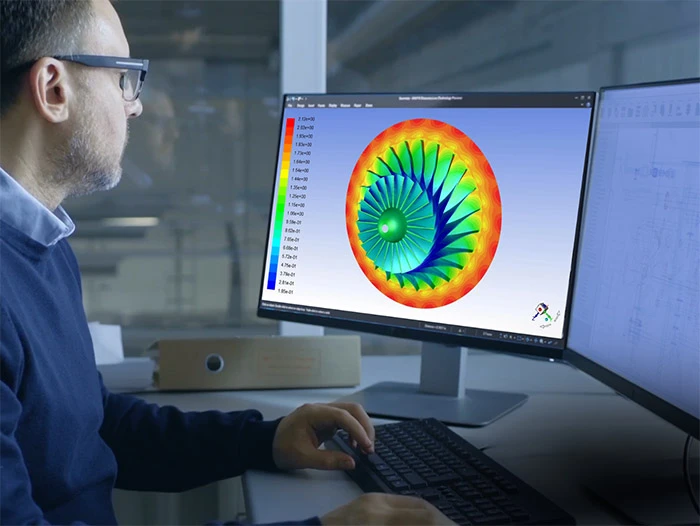
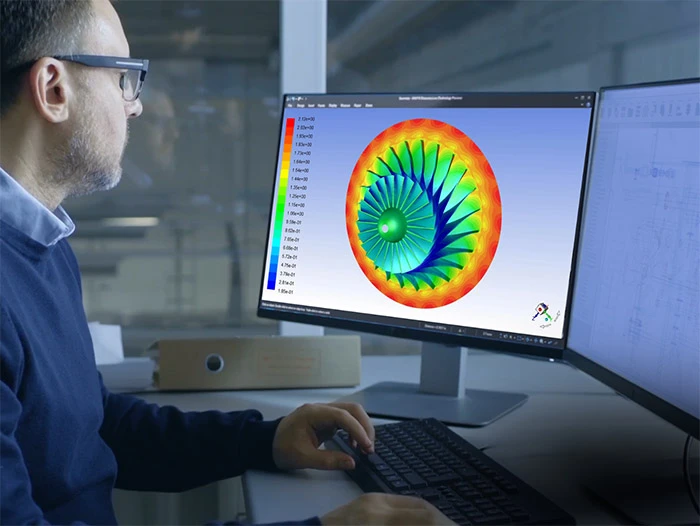
One of the most widely used techniques in the clean energy sector is finite element analysis (FEA). This method enables engineers to predict how materials and structures will perform under real-world stresses such as wind, temperature fluctuations, and mechanical loads. For example, FEA is used to ensure the blades of a wind turbine can withstand years of vibration and environmental impact without failure. By running these simulations early in the design process, companies can avoid costly physical testing and ensure long-term durability.
Closely related to this, FEA analysis provides a more detailed understanding of structural integrity. Engineers can evaluate how different materials respond to specific loads and identify potential weaknesses before manufacturing begins. This predictive approach not only reduces the risk of product failure but also contributes to lowering overall production costs, since fewer prototypes are needed.
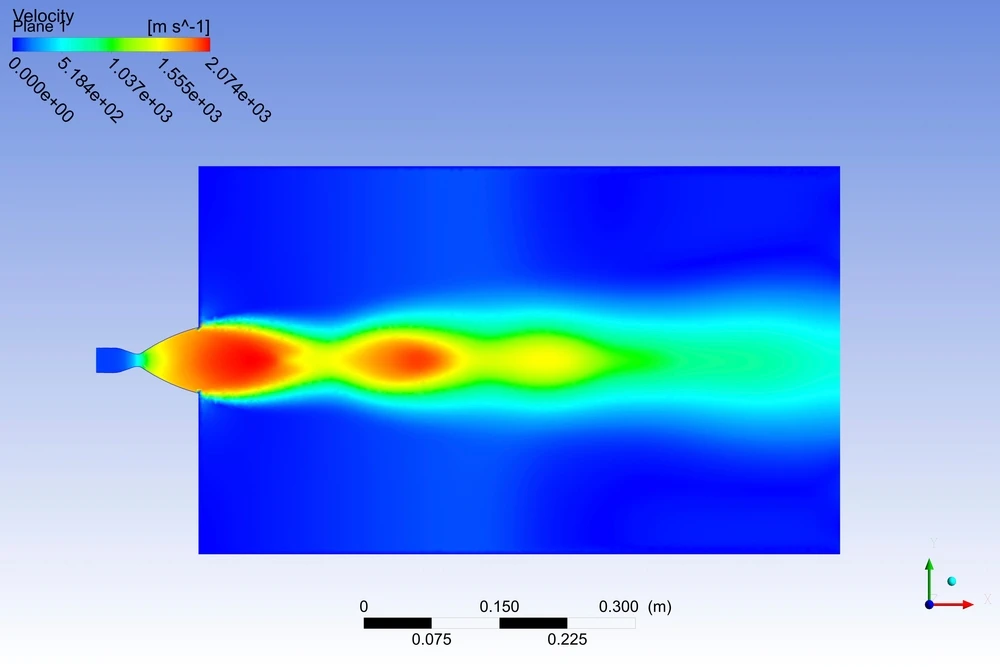
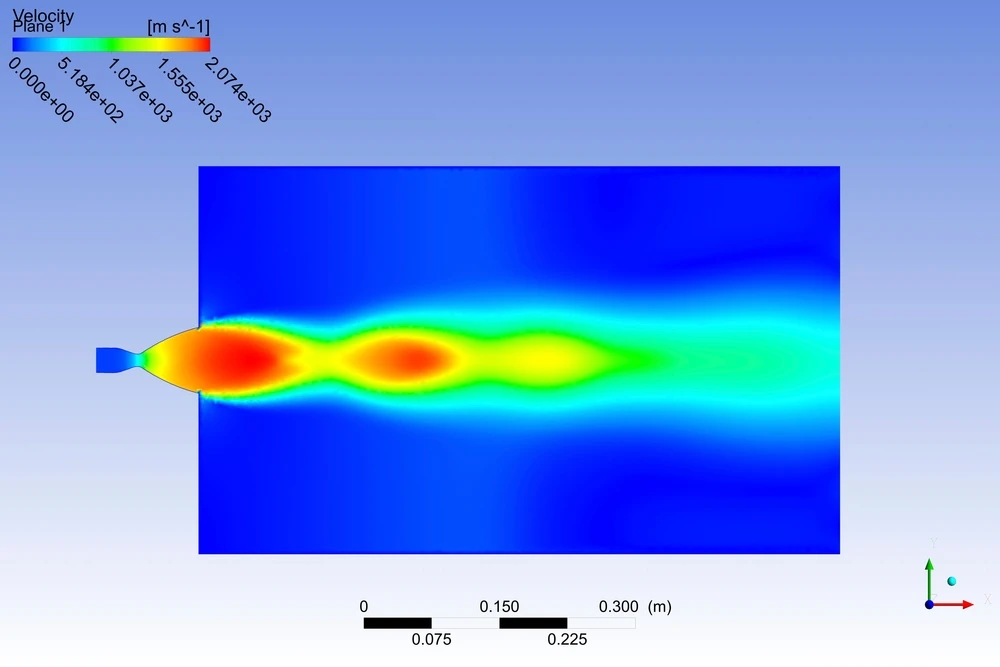
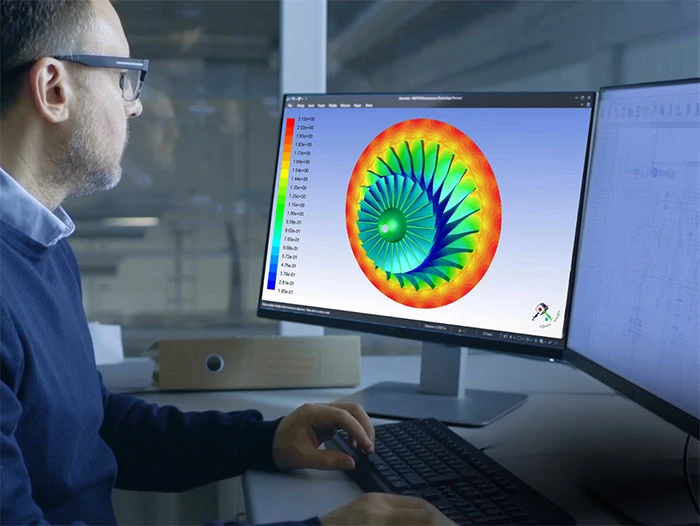
While FEA focuses on structural performance, CFD simulation (Computational Fluid Dynamics) is essential for analyzing fluid and thermal behavior. In clean energy applications, CFD helps optimize airflow through wind turbines, improve cooling systems for solar inverters, and model the combustion dynamics of hydrogen-powered systems.
These insights allow engineers to maximize efficiency and ensure systems operate safely under varying environmental conditions.
The combination of clean energy consulting with advanced simulation technologies is a game-changer. By leveraging the expertise of consultants and the predictive power of FEA and CFD, companies can accelerate their innovation pipelines. This not only speeds up the transition to renewable technologies but also ensures that solutions are reliable, sustainable, and cost-effective in the long term.
In conclusion, the clean energy revolution depends on advanced engineering methods. Whether it’s using finite element analysis to validate designs, performing FEA analysis to strengthen components, or running CFD simulation to enhance performance, simulation-driven consulting is enabling the next wave of sustainable energy solutions. Organizations that embrace these tools will be best positioned to lead in the global effort toward a cleaner and greener future.

























Sign in to leave a comment.