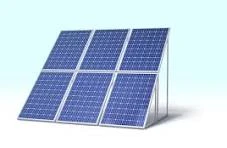

Solar energy has emerged as a promising renewable energy source, offering numerous advantages and disadvantages. As the world increasingly shifts towards sustainable energy solutions, understanding the pros and cons of solar power is essential. In this article, we will explore the advantages and disadvantages of solar energy and discuss how it compares to other energy sources.
Introduction to Solar Energy
Solar energy system is derived from the sun's radiation, which can be harnessed using photovoltaic (PV) panels or solar thermal systems. Unlike fossil fuels, solar energy is abundant, clean, and renewable, making it an attractive alternative for powering homes, businesses, and communities.
Advantages of Solar Energy
Environmental Benefits
One of the primary advantages of solar energy is its environmental sustainability. Solar power generates electricity without emitting greenhouse gases or other pollutants, reducing carbon emissions and mitigating climate change. By harnessing the sun's energy, we can significantly reduce our reliance on fossil fuels and promote a cleaner, greener future.
Cost Savings
Solar energy offers significant cost savings over the long term. While the initial investment in solar panels and installation can be high, solar systems have low operating costs and require minimal maintenance. Moreover, many governments and utilities offer financial incentives, such as tax credits and rebates, to encourage the adoption of solar power, further reducing the overall cost of ownership.
Renewable Energy Source
Unlike finite fossil fuels, solar energy is inexhaustible and renewable. The sun provides an abundant and constant source of energy, making solar power a reliable and sustainable solution for meeting our energy needs. With advancements in technology and widespread adoption, solar energy has the potential to become a primary source of electricity worldwide.
Low Maintenance
Solar panels are durable and have a long lifespan, typically lasting 25 years or more with proper maintenance. Unlike traditional power plants, which require regular maintenance and fuel supply, solar systems have few moving parts and can operate silently and efficiently for decades. Routine inspections and occasional cleaning are the only maintenance tasks required to ensure optimal performance.
Disadvantages of Solar Energy
Initial Cost
One of the main barriers to widespread adoption of solar energy is the high initial cost of installation. While solar panel prices have declined significantly in recent years, the upfront investment can still be prohibitive for some homeowners and businesses. However, the long-term savings on electricity bills and potential return on investment (ROI) often outweigh the initial expense.
Weather Dependency
Solar energy production is dependent on sunlight, making it susceptible to weather conditions such as clouds, rain, and nighttime. While solar panels can still generate electricity on cloudy days and during the winter months, their efficiency may be reduced. Additionally, energy storage solutions, such as batteries, are needed to store excess energy for use during periods of low sunlight.
Space Requirements
Solar panels require adequate space for installation, which can be a limitation for properties with limited roof space or shading from trees or buildings. Ground-mounted solar arrays may require significant land area, raising concerns about land use and environmental impact. However, technological advancements, such as solar tracking systems and building-integrated photovoltaics (BIPV), are increasing the efficiency and versatility of solar installations.
Energy Storage Challenges
One of the challenges of solar energy is the intermittent nature of sunlight, which can lead to fluctuations in energy production throughout the day. Energy storage solutions, such as batteries, are essential for storing excess energy generated during peak sunlight hours for use during periods of high demand or low sunlight. However, current battery technologies are expensive and have limited storage capacity, presenting challenges for large-scale energy storage.
Comparison with Other Energy Sources
Solar energy offers several advantages over traditional fossil fuels, such as coal, oil, and natural gas. Unlike fossil fuels, which produce harmful emissions and contribute to air and water pollution, solar energy is clean, renewable, and sustainable. Additionally, solar power has lower operating costs and requires minimal maintenance compared to fossil fuel power plants. However, solar energy is weather-dependent and may require energy storage solutions to ensure reliable electricity supply.
Overcoming Challenges
While solar energy faces challenges such as high initial costs, weather dependency, space requirements, and energy storage limitations, ongoing research and technological advancements are addressing these obstacles. Innovations in solar panel efficiency, energy storage technologies, and grid integration are improving the reliability and affordability of solar energy systems, paving the way for a transition to a clean energy future.
Conclusion
Solar energy offers numerous advantages, including environmental sustainability, cost savings, and renewable energy generation. However, it also presents challenges such as high initial costs, weather dependency, space requirements, and energy storage limitations. Despite these challenges, ongoing advancements in technology and policy support are driving the widespread adoption of solar energy worldwide, paving the way for a cleaner, greener future.
FAQs
Are solar panels worth the investment?
Solar panels can provide significant long-term savings on electricity bills and offer a solid return on investment (ROI) over their lifespan.
How do solar panels perform in cloudy or rainy weather?
While solar panels can still generate electricity on cloudy or rainy days, their efficiency may be reduced. Energy storage solutions can help mitigate the impact of weather fluctuations.
What is the lifespan of solar panels?
Solar panels typically have a lifespan of 25 years or more with proper maintenance. However, their efficiency may decline slightly over time.
Do I need a lot of space for solar panels?
The space requirements for solar panels depend on factors such as energy consumption, roof orientation, and shading. Ground-mounted solar arrays may require more space but offer flexibility in installation.
How can I finance a solar energy system for my home?
There are various financing options available for solar installations, including solar loans, leases, power purchase agreements (PPAs), and government incentives such as tax credits and rebates.



























Sign in to leave a comment.