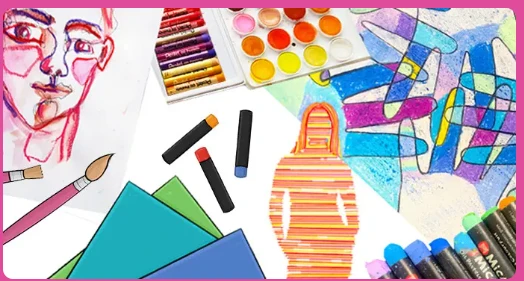

Art education is often associated with fostering creativity and expression among students. However, the benefits of art lessons extend beyond the classroom, offering numerous advantages for teachers as well. From enhancing teaching strategies to promoting personal growth, here are several reasons why teachers should consider incorporating art into their professional development.
Introduction to Art Lessons for Teachers
Art lessons for teachers go beyond teaching techniques; they serve as a platform for professional and personal growth. In today\'s educational landscape, where creativity and innovation are highly valued, embracing art can enrich teaching practices and enhance overall well-being.
Enhancing Creativity and Expression
Participating in art lessons allows teachers to tap into their creative potential, exploring new ways to engage with content and convey ideas. By experimenting with different artistic mediums and techniques, educators can infuse creativity into lesson plans, making learning more dynamic and captivating for students.
Stress Relief and Well-being
Teaching can be demanding, often leading to high levels of stress and burnout. Engaging in art activities provides teachers with a therapeutic outlet to unwind and recharge. Whether through painting, sculpting, or drawing, immersing oneself in the creative process promotes relaxation and improves overall well-being.
Building Empathy and Cultural Awareness
Art has the power to transcend language barriers and foster empathy by encouraging individuals to see the world through different perspectives. By incorporating diverse artworks and cultural references into their teaching, educators can cultivate a deeper understanding of global issues and promote inclusivity within the classroom.
Improving Communication Skills
Effective communication is essential for building strong relationships with students, colleagues, and parents. Art lessons offer teachers a platform to refine their communication skills by encouraging them to express ideas visually and engage in meaningful dialogue with students. Through art, educators can cultivate active listening and empathy, fostering stronger connections with their audience.
Fostering Critical Thinking and Problem-Solving
Art education encourages individuals to think critically and approach problems from multiple angles. By engaging in creative problem-solving activities, teachers can develop innovative teaching strategies and adapt to the diverse needs of their students. Through art, educators learn to embrace ambiguity and explore unconventional solutions, fostering a culture of curiosity and exploration in the classroom.
Integrating Art Across Subjects
Art integration provides opportunities for interdisciplinary learning, allowing teachers to connect concepts across different subjects. By incorporating art into science, math, history, and literature lessons, educators can deepen students\' understanding of complex topics and encourage cross-disciplinary thinking. Through art integration, teachers can foster connections between abstract concepts and real-world applications, making learning more meaningful and relevant.
Strengthening Teacher-Student Relationships
Art lessons create a supportive environment where teachers and students can connect on a personal level. By engaging in collaborative art projects, educators can build rapport with their students, fostering trust and mutual respect. Through art, teachers can gain insight into students\' perspectives and interests, strengthening the teacher-student relationship and creating a positive classroom culture.
Promoting Personal Growth and Reflection
Art provides a platform for self-expression and personal growth, allowing teachers to explore their identity and values. Through art journaling, reflective writing, and mindfulness practices, educators can deepen their self-awareness and cultivate resilience in the face of challenges. By engaging in art as a form of self-care, teachers can replenish their emotional reserves and sustain their passion for teaching.
Professional Development Opportunities
Art lessons offer teachers valuable opportunities for professional development and networking. By attending art workshops, conferences, and exhibitions, educators can expand their knowledge base, learn new teaching techniques, and connect with fellow professionals. Through ongoing professional development in art education, teachers can stay updated on current trends and best practices, enhancing their effectiveness in the classroom.
Access to Resources and Support
Engaging in art lessons provides teachers with access to a wealth of resources and support networks. From art supplies and instructional materials to online forums and mentorship programs, educators can leverage various resources to enhance their teaching practice. By collaborating with colleagues and sharing best practices, teachers can cultivate a culture of collaboration and continuous improvement.
Overcoming Challenges and Obstacles
Teaching art presents unique challenges, from managing diverse student needs to navigating budget constraints. However, through perseverance and creativity, teachers can overcome these obstacles and create meaningful learning experiences. By embracing a growth mindset and seeking support from peers and mentors, educators can turn challenges into opportunities for growth and innovation.
Incorporating Technology in Art Education
Technology has transformed the field of art education, offering new tools and platforms for creative expression. From digital art software to virtual reality applications, teachers can harness technology to engage students in innovative art projects and explore new artistic mediums. By integrating technology into art lessons, educators can prepare students for the digital age while fostering creativity and collaboration.
Engaging Students in Active Learning
Art lessons promote active learning by encouraging students to explore, experiment, and create. Through hands-on art activities, teachers can foster a culture of curiosity and inquiry, empowering students to take ownership of their learning. By providing opportunities for self-expression and discovery, educators can ignite students\' passion for learning and cultivate lifelong learners.
Conclusion
In conclusion, art lessons offer numerous advantages for teachers, from enhancing creativity and expression to promoting personal growth and reflection. By embracing art as a form of professional development, educators can enrich their teaching practice and create meaningful learning experiences for their students.



























Sign in to leave a comment.