
Occupational therapy is a rehabilitation discipline highly centered on the person and focused on employment, that is, on all that series of activities that occupy the individual, such as personal care, productive activities, and leisure-related activities.
Who is it for?
Occupational therapy kids san diego is aimed at children with motor and cognitive difficulties that compromise their autonomy and social integration. Those children with:
neuromotor pathologies (infantile cerebral palsy, dystrophies)motor coordination disorderslearning disabilities cognitive disabilitypervasive developmental disordersepilepsyIn the developmental age, the Occupational Therapist can treat children and young people who may be affected by physical and mental illnesses with temporary and permanent disabilities.
Occupational therapy for children helps them to build skills that have "stopped" due to trauma or illness, thus allowing them to do their meaningful activities with personal participation. The activities are daily ones and can therefore include all those of growth and development, but also nutrition, play, social skills, and education. In a word, he promotes occupational performance, and it has been found, through studies, that the child who starts a path of Occupational Therapy from a very young age will have a better chance of reaching a high degree of autonomy as he grows up.
How does Occupational Therapy work?
After a careful assessment of needs and the definition of measurable objectives, the therapist defines the rehabilitation intervention by selecting the most significant daily life occupations for the child to whom the therapy is addressed. Occupations are a means but also the end of the rehabilitation process. Among the objectives of treatment, there are, in fact, the improvements of performance and the degree of autonomy in carrying out the activities, the level of satisfaction related to one's role and quality of life, and social inclusion.
During the course, the intervention plan is adapted, both regarding the activities, implemented according to the results achieved, and the environment (to make it more accessible). It is also possible to resort to aids, including electronic ones, and tutors to facilitate the carrying out of occupations or overcoming barriers.
The occupations
The occupations assigned to the children will be adapted to their habits and age. Regarding self-care, the activities you - and for which - work will be brushing your teeth, eating, dressing, showering, organizing your backpack, or tying your shoes. In the field of productivity, they work on writing, drawing, listening, and going to school, while for leisure, occupations can be cycling, playing, being part of a group, playing sports, or playing.
Features
San diego occupational therapy aims to improve a person's ability to be self-sufficient (allowing him the greatest possible independence) and to carry out creative activities and work useful for himself and society. These activities are very varied and are organized subjectively according to the patient's characteristics and his possible congenital and acquired cognitive deficits. Thanks to the various activities carried out, occupational therapy allows the patient to increase the abilities affected by the cognitive deficit and to enhance the capabilities still intact so that they compensate for those deficient. Cognitive therapy achieves these goals by implementing:
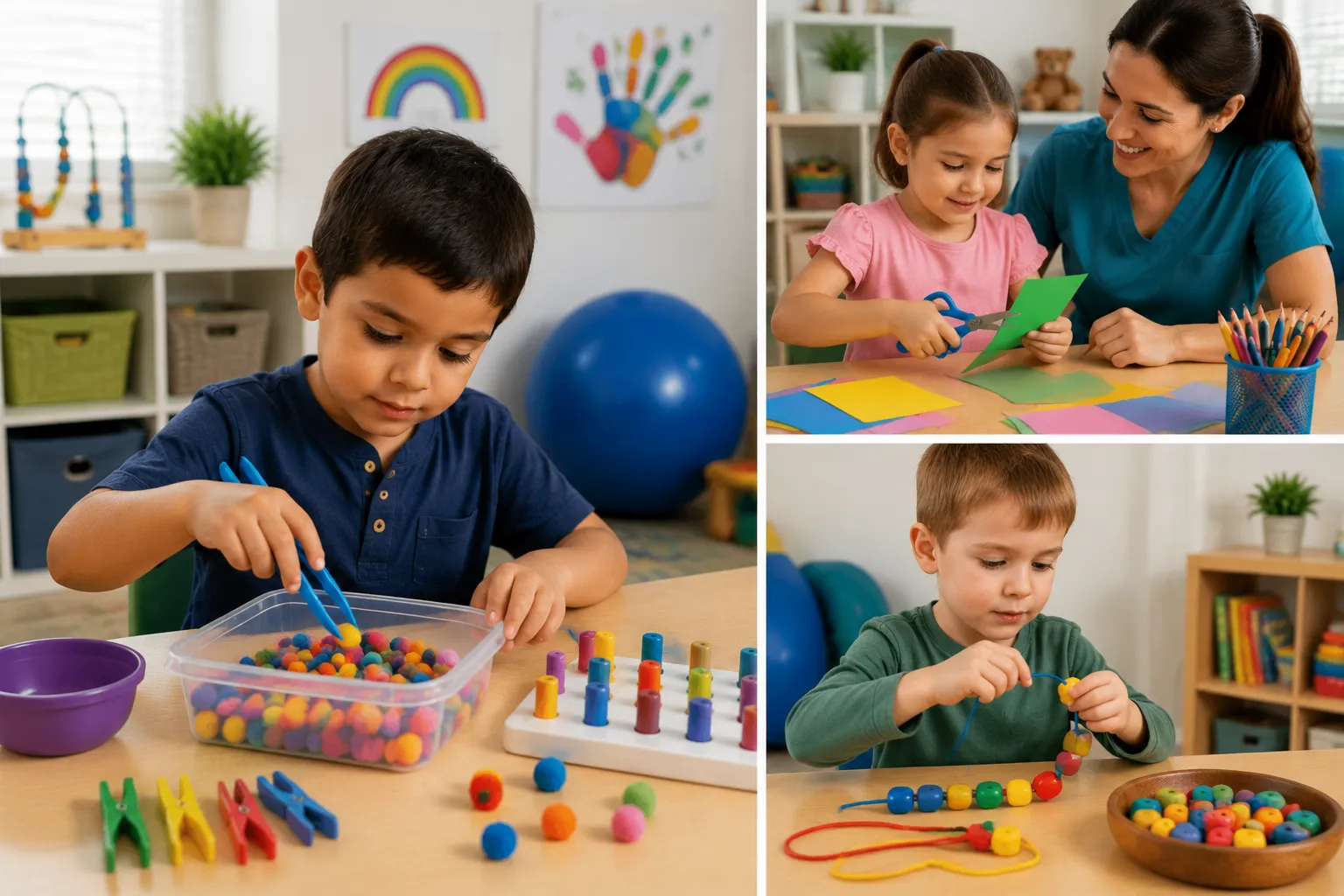
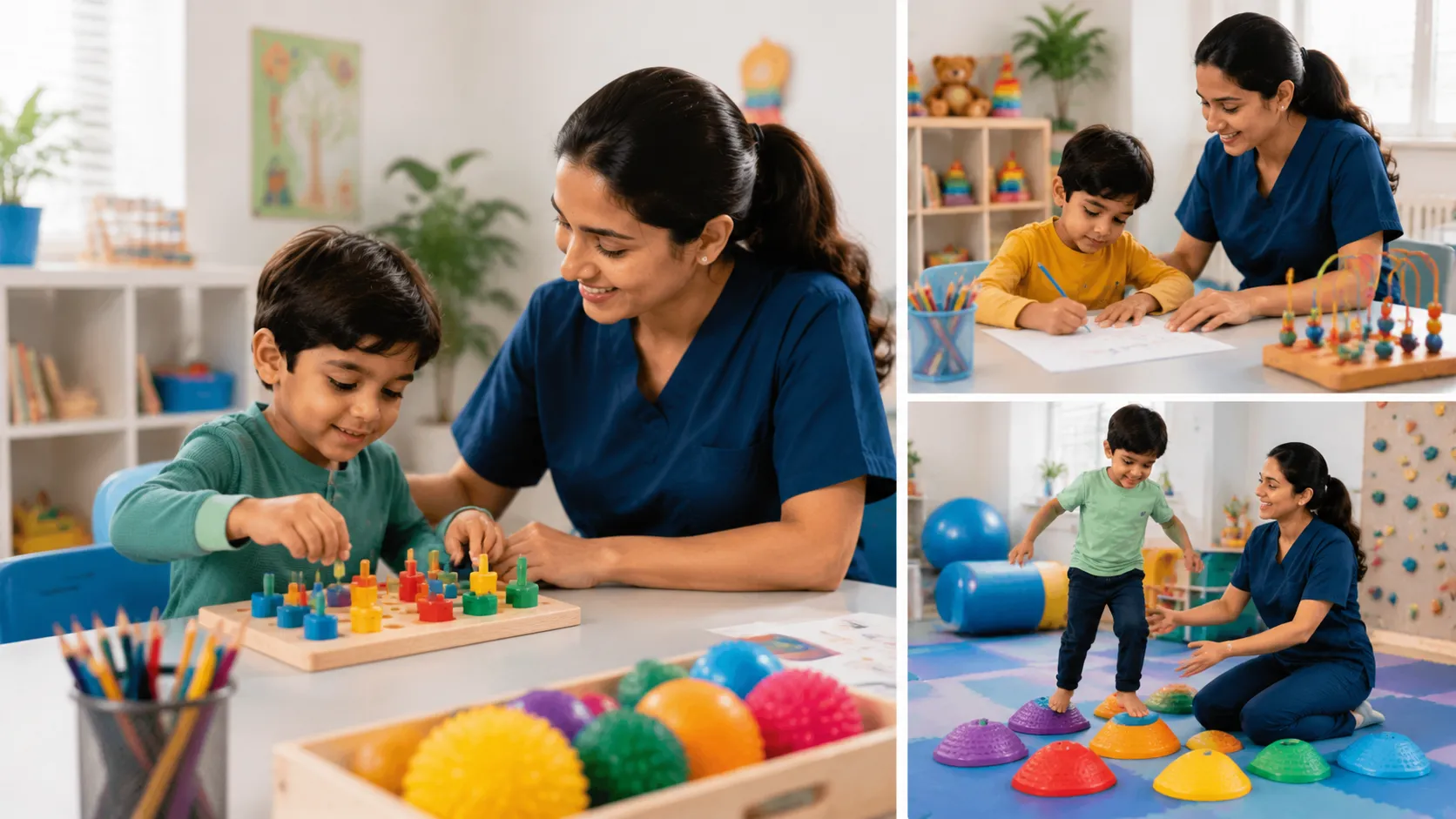
body sensitivity;motor skills;the ability to desire to carry out an activity;The ability to persevere in attempts to carry out an activity correctly until completing it effectively.Depending on the patient's deficits, these functions can be altered in various ways. People with disabilities collaborate with the doctor and the occupational therapist to establish the deficits and organize the objectives according to specific priorities, choosing the most appropriate techniques and activities. For example, suppose the subject has difficulty eating independently. In that case, the therapy may include activities aimed particularly at developing fine motor skills (for example, an exercise of inserting pegs in a rack) that will allow you to handle the cutlery.
Memory games can improve recognition and the ability to remember. At the same time, adaptive techniques can help the person use their strength to compensate for disabilities: for example, a person with hemiplegia can learn new ways to dress, tying their shoes and attaching buttons, enhancing the capabilities of the non-paralyzed body side. The occupational activity is generally progressive: it starts with single and simple movements, which are then integrated to compose a more general and complex movement.


























Sign in to leave a comment.