
In a world where speed, accuracy, and efficiency matter more than ever, businesses and individuals are constantly looking for smarter ways to monitor assets, vehicles, inventory, and even people. For many years, traditional tracking methods such as manual logs, barcode scanning, paper records, and wired systems were the standard. While these methods served their purpose, they often came with limitations.
Today, wireless tracking has changed the way tracking systems work. It offers flexibility, real time visibility, and greater control without the restrictions of physical connections. As industries grow and operations become more complex, wireless tracking continues to stand out as a powerful and reliable solution.
This article explores the many advantages of wireless tracking over traditional methods and explains why more organizations are making the shift.
Understanding Wireless Tracking
Wireless tracking refers to the use of wireless technologies such as GPS, RFID, Bluetooth, WiFi, and cellular networks to monitor and manage assets or movements without physical cables or manual processes. Instead of relying on paperwork or fixed connections, data is transmitted instantly through wireless signals.
Traditional tracking systems often required physical checks, manual data entry, and wired infrastructure. For example, warehouse workers might scan barcodes one by one, or fleet managers might depend on drivers to report their location by phone. These processes were time consuming and often prone to human error.
Wireless tracking simplifies these tasks by automating the flow of information. Devices communicate in real time, sending updates directly to centralized systems. This allows managers and operators to access up to date information anytime and from anywhere.
Real Time Visibility and Instant Updates
One of the biggest advantages of wireless tracking is real time visibility. Traditional tracking methods often provide delayed information. By the time data is recorded, entered, and processed, it may already be outdated.
Wireless tracking systems update information instantly. Whether it is a delivery vehicle on the road, equipment on a job site, or products in a warehouse, the system shows the current location and status immediately.
This real time access helps decision makers act quickly. If a shipment is delayed, managers can adjust schedules. If equipment is moved unexpectedly, alerts can be triggered. This level of responsiveness is difficult to achieve with traditional systems.
Real time updates also improve communication within teams. Everyone works with the same accurate information, reducing confusion and misunderstandings.
Improved Accuracy and Reduced Human Error
Manual tracking methods rely heavily on human input. Employees may forget to record data, enter incorrect information, or misplace paperwork. Even small errors can create large problems, especially in industries that handle high volumes of assets or inventory.
Wireless tracking reduces these risks by automating data collection. Sensors and devices capture information automatically, minimizing the need for manual entry. As a result, records are more accurate and reliable.
When accuracy improves, businesses experience fewer discrepancies in inventory counts, shipment records, and equipment usage logs. This leads to smoother operations and stronger customer trust.
Automation also allows staff to focus on more valuable tasks instead of spending hours on repetitive data entry.
Greater Mobility and Flexibility
Traditional wired systems are limited by physical connections. Equipment must be installed in specific locations, and expanding the system often requires additional cables and infrastructure.
Wireless tracking removes these limitations. Devices can operate in various environments without being tied to a single location. This makes it easier to track assets across large warehouses, outdoor construction sites, transportation routes, and multiple facilities.
The flexibility of wireless tracking is especially valuable for growing businesses. As operations expand, new devices can be added without major infrastructure changes. This scalability allows organizations to adapt quickly to changing needs.
Mobility also benefits field teams. Workers can access tracking information through mobile devices, making it easier to coordinate tasks and respond to real time situations.
Cost Efficiency Over Time
While some businesses may hesitate to adopt new technology due to initial investment costs, wireless tracking often proves to be more cost effective in the long run.
Traditional tracking systems can require ongoing expenses related to paper records, manual labor, maintenance of wired infrastructure, and error correction. When mistakes occur, the financial impact can be significant.
Wireless tracking reduces these hidden costs. Automation lowers labor requirements, while real time monitoring helps prevent loss, theft, and misplaced assets. By improving efficiency, businesses can reduce operational waste and improve profitability.
In addition, many wireless tracking solutions are scalable, meaning companies can start small and expand as needed. This allows better control over budget and resources.
Enhanced Security and Asset Protection
Security is a major concern for organizations managing valuable equipment, inventory, or vehicles. Traditional methods often struggle to provide continuous monitoring, leaving gaps where loss or theft can occur.
Wireless tracking enhances security by providing constant visibility. Alerts can be set up to notify managers if assets leave designated areas or move outside scheduled times. This proactive approach helps prevent unauthorized activity.
In cases of theft or loss, wireless tracking systems can assist in recovery by providing accurate location data. This added layer of protection offers peace of mind and reduces financial risk.
For industries that handle sensitive materials or high value items, the ability to monitor assets in real time is a significant advantage.
Better Data Insights and Reporting
Traditional tracking methods often produce scattered data stored in different formats. Analyzing this information can be time consuming and complicated.
Wireless tracking systems centralize data, making it easier to generate reports and analyze trends. Managers can review performance metrics, identify inefficiencies, and make informed decisions based on reliable information.
For example, fleet managers can analyze vehicle routes to reduce fuel consumption. Warehouse operators can study inventory movement to optimize storage layouts. Equipment managers can track usage patterns to schedule maintenance effectively.
The availability of detailed insights helps businesses move from reactive management to proactive planning. Instead of solving problems after they occur, organizations can anticipate challenges and take preventive action.
Increased Productivity Across Teams
When tracking processes are manual and time consuming, productivity suffers. Employees may spend hours searching for misplaced items, updating records, or verifying information.
Wireless tracking streamlines these tasks. Real time data allows teams to locate assets quickly and complete assignments more efficiently. This leads to smoother workflows and less downtime.
Improved coordination between departments also enhances productivity. For instance, logistics teams can prepare shipments more accurately when inventory data is updated instantly. Maintenance teams can respond faster when equipment issues are detected early.
As a result, the entire organization operates more effectively.
Environmental Benefits and Paperless Operations
Traditional tracking systems often rely heavily on paper documentation. From printed logs to physical reports, paper based processes contribute to environmental waste.
Wireless tracking supports digital record keeping, reducing the need for printed materials. Electronic data storage not only saves paper but also makes information easier to access and manage.
By adopting wireless tracking, businesses can support sustainability efforts while improving efficiency. Digital systems also reduce the need for physical storage space dedicated to files and archives.
Seamless Integration with Modern Technology
Modern businesses use various digital tools such as cloud platforms, mobile applications, and data management systems. Traditional tracking methods may struggle to integrate smoothly with these technologies.
Wireless tracking is designed to work with modern digital ecosystems. Data can be synchronized with cloud systems, accessed remotely, and shared securely across teams.
This integration improves collaboration and supports remote management. Decision makers can monitor operations even when they are not physically present on site.
As technology continues to evolve, wireless tracking systems can adapt through software updates and device upgrades, ensuring long term relevance.
Adaptability Across Different Industries
Wireless tracking is not limited to one sector. It is widely used in logistics, healthcare, manufacturing, construction, retail, and many other industries.
In healthcare, equipment and patient movement can be monitored to improve efficiency. In retail, inventory tracking helps maintain accurate stock levels. In construction, tools and machinery can be tracked across large sites.
This adaptability makes wireless tracking a versatile solution for organizations of all sizes. Whether managing a small warehouse or a nationwide fleet, the core benefits remain consistent.
A Smarter Way Forward
As businesses face increasing competition and rising customer expectations, efficient operations are no longer optional. Traditional tracking methods, while once reliable, often fall short in meeting modern demands.
Wireless tracking offers a smarter, faster, and more reliable approach. With real time visibility, improved accuracy, enhanced security, and better data insights, it empowers organizations to operate with confidence.
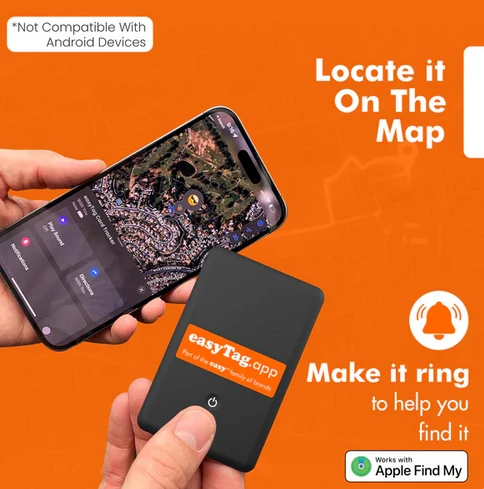
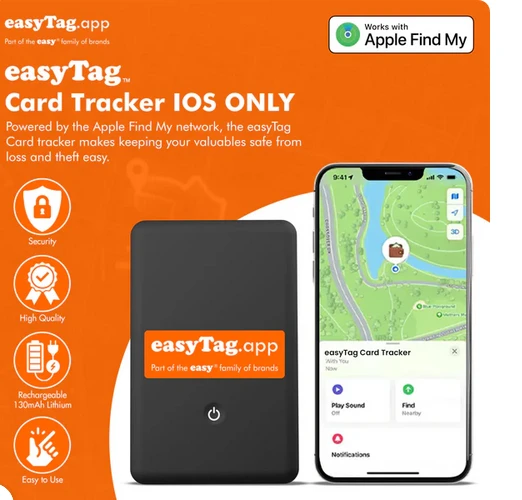
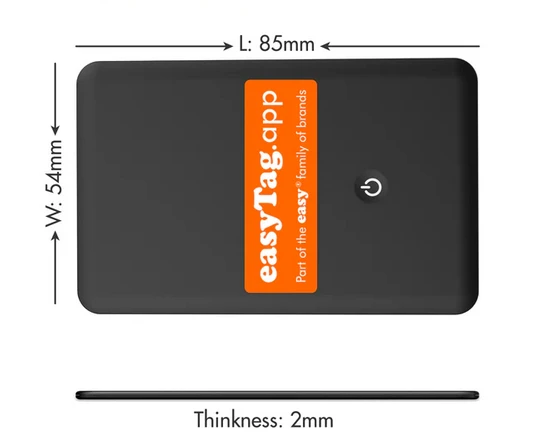
Companies looking to modernize their tracking systems can benefit from adopting innovative solutions designed for today’s challenges. A platform like easyTag provides advanced wireless tracking capabilities that help businesses simplify asset management and improve operational efficiency. By choosing easyTag, organizations can move beyond outdated methods and embrace a future driven by smart, connected technology.
Now is the time for businesses to upgrade their tracking approach and unlock the full potential of wireless tracking with easyTag.




























Sign in to leave a comment.