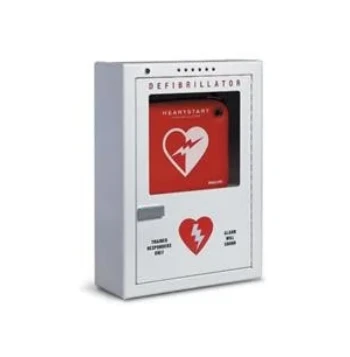

In the state of Texas, the availability and use of Automated External Defibrillators (AEDs) in public and private settings is governed by a set of laws and regulations. As an informed citizen or business owner, it\'s important to understand the specific AED requirements in Texas to ensure compliance and be prepared to respond effectively in the event of a sudden cardiac emergency.
AED Placement Requirements
Texas has established guidelines for the placement of AEDs in various public and private settings. According to the Texas Health and Safety Code, certain facilities are required to have AEDs on-site and readily accessible.
Public Buildings and Facilities
All state-owned or leased buildings, as well as buildings that are owned, leased, or occupied by a county, municipality, or other political subdivision of the state, are required to have AEDs installed. This includes government offices, libraries, community centers, and other public facilities.
Schools and Educational Institutions
All public and private schools in Texas, including elementary, middle, and high schools, are required to have at least one AED on campus. The AED must be readily accessible and its location must be clearly marked.
Health and Fitness Facilities
Gyms, health clubs, and other fitness facilities that are open to the public are required to have AEDs on-site. The number of AEDs needed may depend on the size and layout of the facility.
Sporting Venues
Sports arenas, stadiums, and other venues that host athletic events, both professional and amateur, are required to have AEDs available and accessible during events.
Other Facilities
Certain other public and private facilities, such as nursing homes, assisted living centers, and some businesses, may also be subject to AED placement requirements, depending on the specific circumstances and local regulations.
AED Maintenance and Training Requirements
In addition to the placement requirements, Texas also has regulations regarding the maintenance and training associated with AEDs.
Maintenance
Facility owners or managers are responsible for ensuring that their AEDs are properly maintained and in good working condition. This includes regular inspections, testing, and replacement of batteries and electrode pads as needed.
Training
Texas law requires that individuals who are expected to use an AED, such as employees or staff members at facilities with AEDs, receive appropriate training in the use of the device. This training should cover topics such as proper operation, maintenance, and emergency procedures.
Good Samaritan Protections
One of the key considerations for individuals who may need to use an AED in an emergency situation is the issue of liability. Texas has enacted Good Samaritan laws that provide legal protections for individuals who, in good faith, use an AED to provide emergency care to a person in need.
Under the Texas Good Samaritan law, individuals who use an AED to assist someone experiencing a sudden cardiac emergency are generally not liable for any civil damages, as long as they act in good faith, without compensation, and within the scope of the training they have received.
This means that individuals who have been trained in the use of an AED, and who use the device to help someone in an emergency, can do so without the fear of being sued for their actions, as long as they act responsibly and within the bounds of their training.
Registering AEDs with Local Authorities
In Texas, there is no state-level requirement for AED owners to register their devices with local authorities. However, some municipalities and counties may have their own registration requirements, so it\'s important to check with local authorities to ensure compliance.
Registration can be beneficial, as it allows emergency response teams to be aware of the location of AEDs within their jurisdiction. This can help streamline the emergency response process and ensure that rescuers are able to quickly locate and access an AED when needed.
Compliance and Enforcement
Failure to comply with the AED requirements in Texas can result in various penalties and enforcement actions. Facility owners or managers who do not have the required AEDs installed, or who fail to maintain and train their staff on the proper use of the devices, may face fines or other legal consequences.
It\'s important to note that the specific enforcement mechanisms and penalties can vary depending on the type of facility, the local jurisdiction, and the circumstances of the violation. Regular audits and inspections by local authorities can help ensure ongoing compliance with the AED requirements in Texas.
Conclusion
Navigating the AED requirements in Texas can seem complex, but it\'s crucial for both public and private entities to understand and comply with the relevant laws and regulations. By ensuring the proper placement, maintenance, and training associated with AEDs, facility owners and managers can help enhance the safety and preparedness of their communities in the event of a sudden cardiac emergency.
Remember, the availability and use of AEDs can mean the difference between life and death, so it\'s essential to stay informed and take the necessary steps to meet the AED requirements in Texas. By doing so, you can contribute to a safer and more resilient community, where lives can be saved through the timely and effective use of these life-saving devices.




























Sign in to leave a comment.