

Two equipment categories that appear on almost every serious construction and maintenance project budget — aerial work platforms and generators — tend to get procured through the same instinct: find the specification that covers the requirement and buy the cheapest option that meets it. That approach works well enough on uncomplicated jobs. On jobs with specific conditions, it's how specification errors get built into the order before anyone notices.
Aerial Work Platforms: The Specification Detail That Matters Most
The most common specification error with an aerial work platform is confusing working height with platform height. Working height — the figure quoted in most product descriptions — assumes a person of standard height standing on the platform with their arms raised. Platform height is where you actually stand. On a job with a precise height requirement, using working height as the reference point can leave the operator a metre short of where the work is.
Type selection matters as much as height. Scissor lifts are stable, have good platform capacity, and work efficiently on flat prepared surfaces. Boom lifts reach further outward and over obstacles, which scissor lifts can't do. Spider lifts operate on ground that would stop both — uneven terrain, soft surfaces, narrow access points. Each type has conditions where it's the right choice and conditions where it isn't, and the job site assessment needs to happen before the order is placed, not after the machine arrives.
Aerial Work Platform UAE: Local Conditions Change The Calculation
An aerial work platform UAE deployment faces conditions that push standard specifications harder than temperate climates do. Summer ambient temperatures affect hydraulic fluid performance and battery capacity on electric machines. Fine sand infiltrates drive mechanisms and control systems at a rate that accelerates maintenance requirements beyond what the manufacturer's standard service schedule assumes. Platforms that have been running in the Gulf for a season or two need maintenance attention that a recently imported unit doesn't yet require.
Generators: Understanding What The Price Reflects
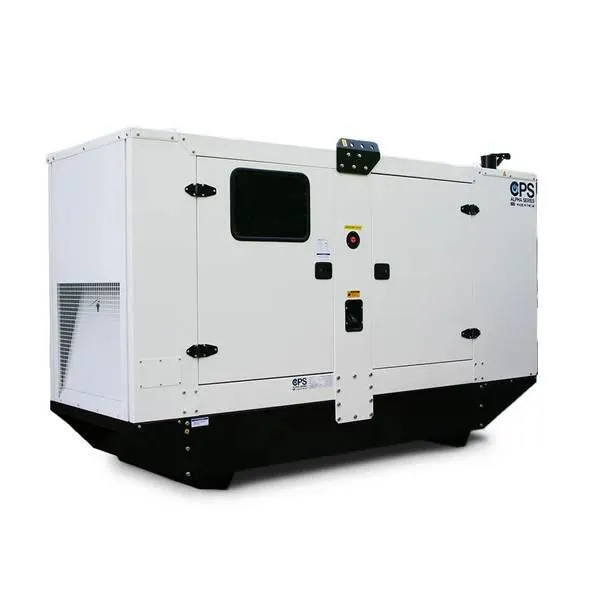
Generator prices span a wide range within any given output class, and the gap is not explained by brand premium alone. Voltage regulation quality, alternator specification, engine tier, duty cycle rating, and enclosure build for the intended environment all feed into the number. A generator bought on price per kilowatt without examining these factors is a generator whose operational reliability is unknown until it's on site and under load.
The startup load question is where generator price decisions come back to haunt site managers. Electric motors — on compressors, pumps, platform hoists — draw three to six times their running current at startup. Generators sized for aggregate running load rather than startup transients trip repeatedly under normal site conditions without anything technically being wrong with them. The specification should reflect what the site actually does, not an averaged estimate of what it draws in steady state.
How The Two Systems Connect On Site
An aerial work platform UAE operation running on generator power — as most remote and temporary sites do — requires the generator specification to account for the platform's power demand explicitly. Electric boom lifts and scissor lifts draw significantly at startup and during lift cycles. On a site where multiple platforms are operating simultaneously off a shared generator, the cycling behaviour of the platforms creates load variability that a generator sized only for running load will struggle with.
Generator prices for units with genuine transient load handling capability are higher than those without. On a site running electric access platforms, that capability is the difference between a generator that works and one that trips. The cost of the right specification at procurement is almost always lower than the cost of discovering the wrong one after mobilisation.
What To Ask Before You Commit To Either
For the aerial work platform: what is the actual platform height required, what are the ground conditions at the working location, what is the access path to the site, and what weight capacity does the work require. For the generator: what is the full load list including startup loads, what duty cycle will the site actually run, and what service network exists for the specified engine brand in the project location. These are not complicated questions. They are the ones that separate a specification that works from one that creates problems.


























Sign in to leave a comment.