
Power and compressed air are the utilities that worksites are built around and rarely talk about. When they're working, they're indiscernible. When they're not, everything stops — the tools go quiet, the crew stands around, and someone starts making calls hoping to figure out how long the fix is going to take. Most of those circumstances were avertible. They trace back to equipment that was underspecified, undermaintained, or just wrong for the job.
Getting both right isn't complicated. It just requires thinking about them properly before the site is live rather than after the first problem.
Generator Selection: The Load Calculation Most Sites Get Wrong
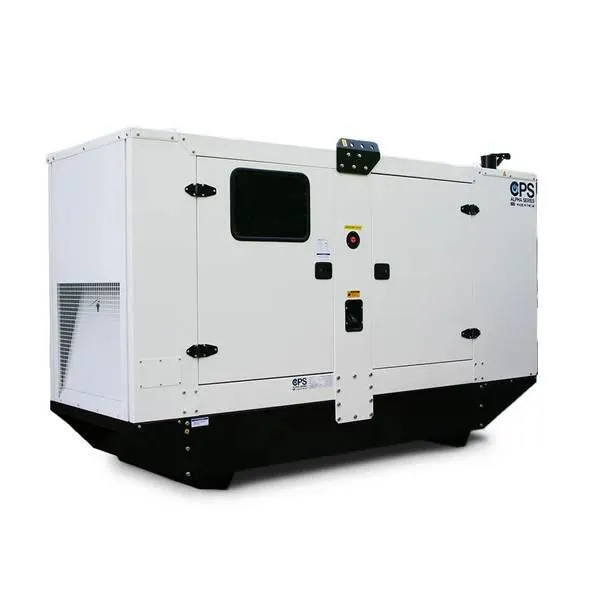
The instinct when sizing generators is to add up the rated wattage of everything that will run off it and buy something that covers the number. That works until the compressor starts. Electric motors — on compressors, pumps, large tools — draw three to six times their running current at startup. A generator sized correctly for steady-state load can trip repeatedly on startup load without anything being technically wrong with it. The site manager blames the generator. The problem is the sizing methodology.
Generator prices reflect this specification complexity. A unit with good transient response — the ability to handle sudden load spikes without voltage collapse — costs more than one optimised purely for steady-state efficiency. On a site where multiple motors start at unpredictable intervals, that capability gap shows up in operational reliability in ways that the price comparison at procurement didn't capture.
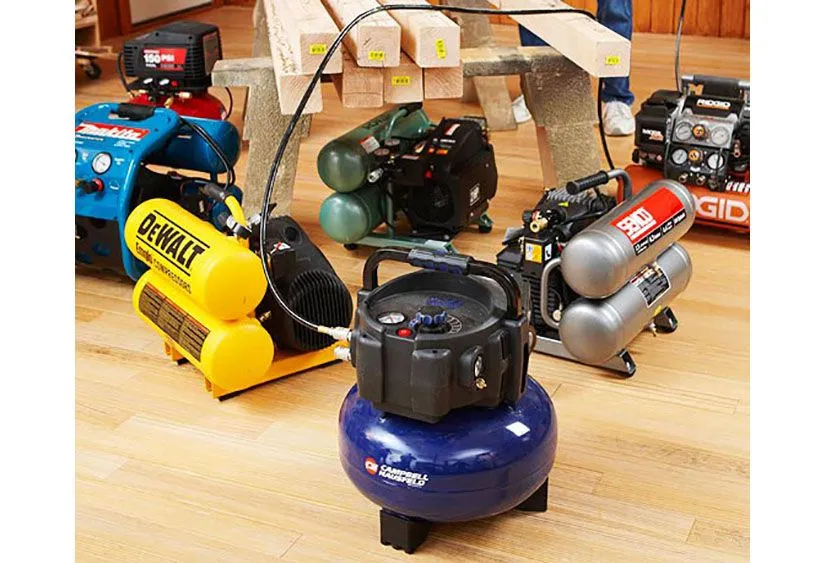
Portable Air Compressors: Matching The Machine To The Demand
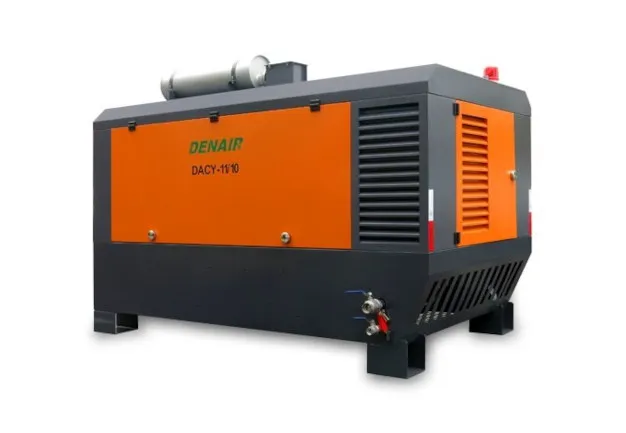
A portable air compressor is measured in two numbers that both matter: pressure (bar or PSI) and flow (CFM or litres per minute). Most procurement processes check one and assume the other is fine. Tools have minimum pressure requirements and minimum flow requirements. A compressor that delivers adequate pressure but insufficient flow will still cause tools to perform poorly — the pressure drops under load as the demand outstrips the machine's delivery rate.
Portable air compressor price varies considerably across the range for reasons that aren't always obvious from the spec sheet. Duty cycle is one — a compressor rated for intermittent use run continuously overheats, loses efficiency, and fails earlier than it should. On a site running pneumatic tools across a full shift, the duty cycle rating needs to match the actual usage pattern rather than the theoretical maximum.
Air Quality Is The Issue That Gets Discovered Downstream
Compressed air carries moisture. As it cools through distribution lines, that moisture condenses and gets into whatever the air is powering. In pneumatic tools, it accelerates wear on internal components. In spray applications, it ruins finishes. In any process where contamination matters — food, pharmaceuticals, precision manufacturing — it's a compliance issue as much as a maintenance one.
Air compressor suppliers in UAE who understand industrial applications will raise filtration and drying as part of the initial specification conversation, not as an afterthought add-on. The dryer and filtration package is part of the system, not optional peripheral equipment. Sites that skip it spend money on tool repairs and product failures that trace back to wet air, without immediately connecting the cause and the effect.
How The Two Systems Interact On Site
The compressor is one of the largest electrical loads on a site. It starts under load, draws heavily, and cycles on and off throughout the shift. On a site where the compressor, welding equipment, and lighting are all running off the same generator, the startup sequence and load management matter. Running the compressor on a separate circuit or on its own generator is a solution some sites use not because the main generator can't handle the combined load in steady state, but because the startup transients are easier to manage separately.
Ownership Versus Rental For Both Categories
Generators and portable air compressors are equipment categories where the rental versus ownership decision has a clean logic. Short projects, variable site requirements, or operations without dedicated maintenance capability point toward rental. Ongoing, high-utilisation operations with predictable requirements and maintenance infrastructure point toward ownership — and ownership costs need to account for depreciation, servicing, storage, and mobilisation, not just the purchase price.
Generator prices on owned units also need to factor in what happens when the primary unit goes down. A site without a backup or a fast-response rental arrangement discovers its dependency on power in the most inconvenient way possible. The operational continuity question is part of the equipment decision, not something to resolve after the fact.























Sign in to leave a comment.