

Choosing a backup power setup for an indoor facility in the UAE sounds simple until you actually get into it. A diesel generator and an electric generator solve the same basic problem, keeping the lights on when grid power fails, but they get there in completely different ways, and for indoor spaces specifically, that difference matters a lot more than most facility managers expect going in.
Why This Comparison Even Matters Indoors
Outdoors, a power generator mostly just needs to work reliably at a consistent pace and meet noise limits. However, indoors, in a warehouse, a data center, a hospital basement, a parking structure, the calculation changes entirely. The exhaust of a power gen has nowhere to go except wherever the ventilation system sends it, and that single fact shapes almost everything else about which option actually makes sense.
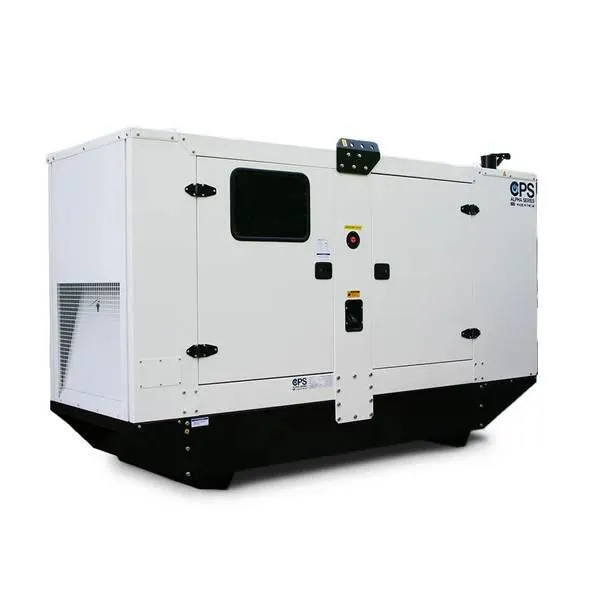
The Diesel Problem
Diesel generators produce combustion exhaust. Carbon monoxide, nitrogen oxides, particulate matter, all of it needs proper venting to avoid becoming a genuine health hazard for anyone working nearby. For continuous or frequent indoor use, that means serious ductwork, exhaust fans rated for the volume involved, and ongoing monitoring to make sure carbon monoxide levels never creep toward dangerous.
It's not that diesel can't work indoors at all, plenty of facilities run them successfully. But the infrastructure needed to do it safely and stay within UAE regulations adds real cost and real complexity, and skipping corners here isn't really an option given the health risk involved.
Where Electric Wins Indoors
An electric generator, meaning battery based or grid tied backup systems rather than a fuel burning engine, produces no combustion exhaust at the point of use. No ventilation crisis to plan around, no carbon monoxide monitoring requirement, no exhaust ductwork eating into ceiling space. For indoor power solutions where space and air quality both matter, this is usually the deciding factor before cost even enters the conversation.
The tradeoff is runtime and capacity. Battery systems handle short to medium outages well but aren't typically built for days of continuous heavy load the way a diesel setup can manage with enough fuel on hand. For a facility that loses power for twenty minutes a few times a year, that's rarely an issue. For one that needs to ride out extended grid failures, it's a real constraint worth planning around properly.
The Regulatory Angle
UAE authorities, particularly in Dubai and Abu Dhabi, have been tightening emissions compliance power requirements for enclosed facilities over the past several years, and this isn't a trend that's likely to reverse. Diesel installations now typically need documented exhaust systems, regular emissions testing, and in some jurisdictions, specific permits tied to the generator's rated output and the building's ventilation capacity.
Electric systems mostly sidestep this regulatory layer entirely, since there's no combustion emissions to test or permit in the first place. For a facility manager trying to minimize ongoing compliance overhead, that's a genuine operational advantage, not just an environmental one.
Making the Actual Decision
For most modern indoor facilities in the UAE, especially anything built or renovated recently, electric backup systems make more sense unless the load requirements are genuinely massive or the outage durations expected are unusually long. Data centers, hospitals, and critical infrastructure still often run hybrid setups, electric for the first stretch of an outage, diesel kicking in only if things drag on, precisely to avoid running combustion equipment indoors any more than absolutely necessary.
Older facilities already built around diesel infrastructure face a tougher call, since ripping out an existing exhaust system to switch over isn't cheap. But for anyone starting from scratch, the emissions compliance burden alone tends to tip the decision toward electric before load capacity or cost ever really gets discussed.
Frequently Asked Questions
Why are diesel generators generally unsuitable for continuous indoor operation?
Continuous combustion indoors produces sustained carbon monoxide and particulate output that needs constant, reliable ventilation to stay safe. Any failure in that ventilation system turns a manageable risk into a genuine health hazard fairly quickly, which is why continuous indoor diesel use requires much more robust infrastructure than occasional backup use.
Does an electric generator eliminate emissions concerns entirely, or just reduce them?
It depends on the source. A battery system charged from the grid shifts emissions upstream to wherever that electricity was generated, so it's not zero impact in an absolute sense. But at the point of use, indoors, there's genuinely no combustion exhaust to manage, which is what actually matters for indoor air quality and compliance requirements specifically.
Bottom Line
Diesel and electric generators both keep the power on, but indoors, the comparison isn't really close once emissions compliance enters the picture. Electric systems remove the ventilation and monitoring burden entirely, at the cost of some runtime flexibility. For most new indoor installations in the UAE, that tradeoff is worth making. For facilities with unusual load or duration needs, a hybrid setup often ends up being the more practical answer.






















Sign in to leave a comment.