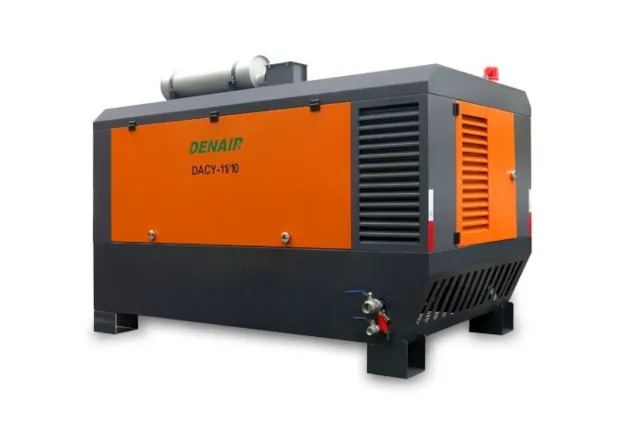

A compressor rarely dies suddenly. It warns you for weeks: the casing runs hotter, pressure takes longer to build, the oil in the sight glass darkens. Ignore all that and one morning the air compressor that feeds your whole shop will not start, usually on the day you can least afford it. A steady service routine keeps that morning from arriving.
Why The Schedule Beats The Breakdown
Running a compressor to failure is the most expensive way to own one. A seized airend or a burnt-out motor costs many times the neglected filter or skipped oil change, and takes the whole line down with it.
Preventive maintenance flips that math. Small planned jobs done on time cost little and catch faults that would otherwise grow into a shutdown. Unglamorous, but cheap insurance against a very expensive day.
The Daily And Weekly Habits
Air compressor maintenance starts with checks anyone on the floor can do. Each day, someone should listen for any new rattle and confirm the oil level and running temperature look right. Draining the receiver tank belongs on that list too, since trapped moisture rusts a tank from inside.
Once a week, give the intake filter and the belts a minute. A clogged filter forces the motor to work harder for less air. A slack belt just wastes power, quietly, until it snaps.
Oil And Filters On A Clock
Oil and filter changes are the heart of the routine. Also, they’re done on the basis of running hours rather than gut feel. A rotary screw compressor usually wants fresh oil every two to four thousand running hours, sooner in heat or dust.
The oil filter and air-oil separator normally come out on the same visit. A tired separator lets oil carry over into your air lines, and a blocked filter starves the airend of lubrication. Reciprocating machines run to different numbers, so the manual sets the interval, not the calendar.
The Annual Deep Service
Industrial compressor servicing once a year reaches past the routine oil work. This is when a technician gets properly inside the machine. Air end bearings are checked for wear, the safety valves tested under pressure, the motor's current draw read against its rating, the sort of work a daily glance can never do.
On a hard-worked unit, plan it for a quiet week; a proper service means a few hours of downtime.
When To Hand It To A Contract
Many firms run the daily checks in-house and put the skilled work on a service contract. That buys a technician who knows the machine and keeps the right parts on the shelf. And there is someone to call when it fails overnight. For a compressor the whole plant leans on, it usually pays for itself.
Quick Take
Do the small checks daily, watch the running hours for oil and filters, and book one proper service a year. Skip them and the saving is an illusion; the cost only moves to the day it fails, with interest.
FAQs
How often should an industrial air compressor's oil be changed?
For most rotary screw machines, every two to four thousand running hours, or once a year, whichever is first. A hot, dusty workshop pulls that interval down, and a hard-worked machine comes round sooner still. Reciprocating units keep their own intervals, so check the maker's figure, not someone else's.
What happens if scheduled compressor maintenance is skipped?
Nothing, for a while, which is exactly the trap. Then it compounds. Old oil stops protecting the metal. A choked filter drives the temperature up, and the water nobody drained rusts the tank from inside. The failure that follows is rarely small, and usually arrives mid-shift with no warning.
Does a maintenance schedule reduce total compressor downtime?
Usually, and by a noticeable margin. A contract puts servicing on a fixed schedule instead of leaving it to whoever remembers, and gets a trained technician on site faster when something breaks. The gain shows up less in the repair count than in the hours of production you do not lose over a year.
Read more: Why Do Air Compressors Overheat in the UAE Heat? Causes and Prevention





























Sign in to leave a comment.