
Most sites do not lose time to one big problem. They lose it to a dozen small ones that nobody stops to add up. The compressor that takes 40 minutes to start properly. The forklift that is always somewhere else when materials need moving. The road roller that arrived late so the crew stood around waiting. Each one feels like a minor annoyance. Together they can eat a significant portion of the working day.
The Compressor Situation
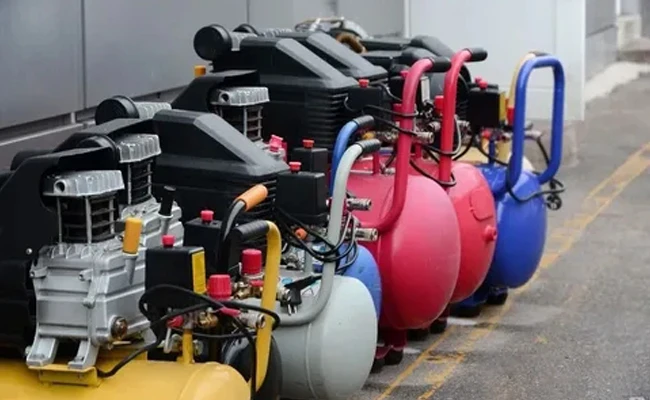
An air compressor that cannot keep up with demand does not stop the work immediately. It slows it down gradually. Tools run sluggishly. Operators wait for pressure to build back up. The pace drops and nobody quite identifies why because it never fully stops, it just never quite runs right either.
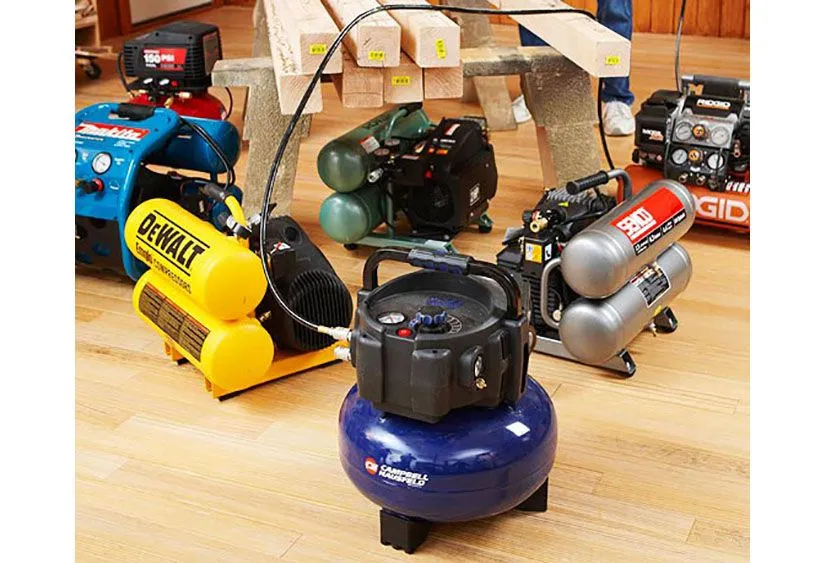
Undersized units are the most common cause. The machine was specified for lighter use or fewer tools running simultaneously than the site actually needs. Running a compressor consistently at or above its capacity shortens its life and costs more in fuel and maintenance than a correctly sized unit would.
Maintenance is the other side of it. A compressor with a dirty filter, low oil, or worn valves does not deliver what it is rated for. Basic checks take minutes. Losing half a day because the machine went down mid-job takes considerably longer to recover from.
Materials Sitting in the Wrong Place
A forklift that is not available when a delivery arrives means materials get offloaded manually and stacked wherever there is space. That temporary location then needs to be moved again when work reaches that area. Every extra movement is time the site did not budget for.
Forklift availability is a planning problem as much as an equipment problem. One machine shared across a busy site creates queues. Deliveries arriving without coordination with equipment availability creates bottlenecks. Neither requires new equipment to fix. Both require someone paying attention to when the machine is needed and making sure it is there.
On larger sites a second forklift is cheaper than the cumulative cost of daily delays waiting for the first one. That calculation is worth doing honestly rather than assuming one machine is enough because it usually gets by.
Waiting on Compaction
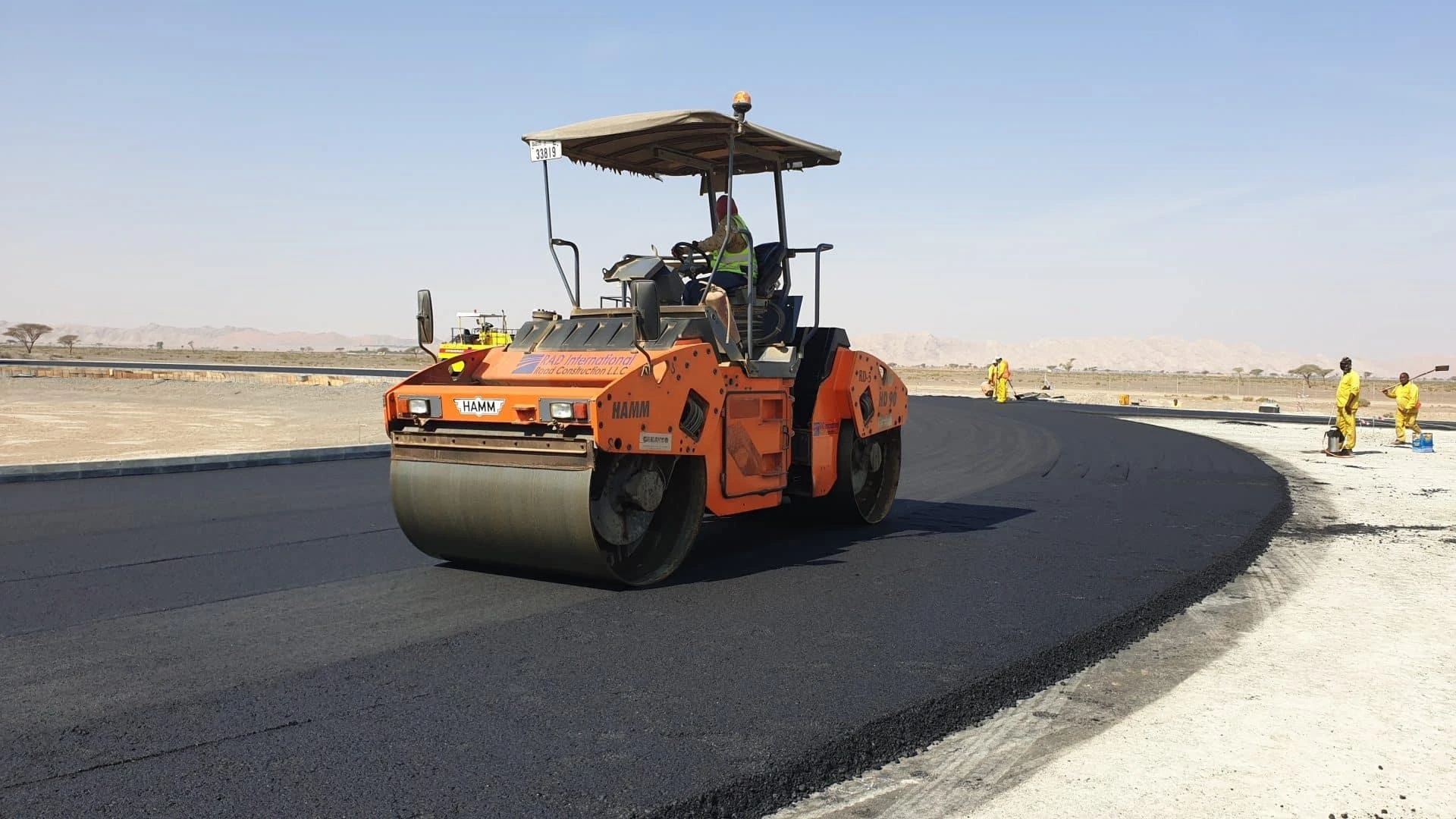
Groundworks and paving sequences depend on the road roller being available at the right point in the job. If it is not, the crew waits or moves to a different area and comes back, which breaks the sequence and adds time. If they push ahead without adequate compaction the surface fails and the work gets done twice.
A hired roller that arrives late or gets pulled to another job mid-sequence is a recurring source of this problem. For businesses doing regular groundworks the roller is worth owning rather than hiring precisely because availability on demand is worth more than the daily hire cost saving.
The Pattern Is Usually the Same
Sites that run slowly almost always have the same underlying issues. Equipment that is not quite the right size for the job. Maintenance that gets deferred until something stops working. Logistics that are not planned around when equipment is actually needed.
None of it is complicated to fix. It just requires looking at where the time actually goes rather than assuming the site is running as efficiently as it could be. Most of the time it is not. And most of the time the gap between how the site runs now and how it could run comes down to a handful of equipment and planning decisions that are entirely within reach.



















Sign in to leave a comment.