
Industrial chimneys operate under continuous high temperatures and harsh weather conditions. This blog explains how aerogel insulation helps improve thermal efficiency, protects structural components, and reduces long-term maintenance requirements.
Industrial chimneys play a vital role in power plants, cement manufacturing, metal processing facilities, chemical plants, and other heavy industries.
They safely discharge high-temperature exhaust gases while supporting efficient plant operation. Because these structures operate continuously under demanding thermal conditions, selecting the right insulation system is essential for minimizing heat loss, protecting surrounding structures, and improving equipment longevity.
Many older facilities still rely on conventional insulation materials that gradually lose effectiveness after years of exposure to elevated temperatures, moisture, wind, and vibration. As insulation performance declines, higher surface temperatures can increase structural stress, reduce energy efficiency, and contribute to frequent maintenance activities. Facilities planning upgrades or modernization projects often face the challenge of improving insulation without adding excessive weight to existing chimney structures.
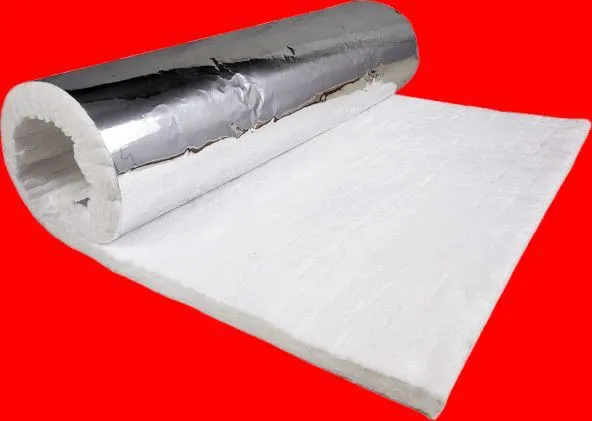
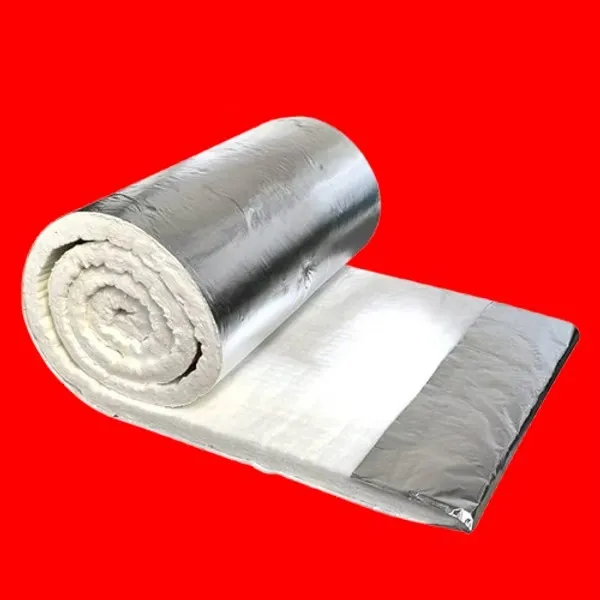
A practical solution is aerogel insulation, which offers excellent thermal performance with significantly reduced thickness compared to many traditional insulation materials. Its lightweight design allows engineers to improve insulation efficiency without placing unnecessary loads on support structures. This makes it particularly suitable for retrofit projects where structural modifications must be kept to a minimum.
Industrial chimneys also contain expansion joints, access platforms, inspection openings, and complex steel supports that require insulation to fit around irregular surfaces. Flexible insulation systems simplify installation around these components while maintaining continuous thermal coverage. Fewer gaps within the insulation layer help improve heat retention and contribute to more stable operating conditions throughout the system.
Another major benefit is improved durability in demanding industrial environments. Exposure to changing weather conditions, thermal cycling, and continuous plant operation can shorten the service life of conventional insulation. Modern insulation designed for harsh operating environments helps maintain consistent performance for longer periods, reducing repair frequency and minimizing maintenance interruptions. This is particularly valuable for facilities where shutdowns result in significant production losses.
Procurement teams increasingly evaluate insulation materials based on lifecycle value rather than simply comparing initial purchase costs. Long-term savings from improved energy efficiency, reduced maintenance, lower replacement frequency, and better equipment protection often outweigh the difference in upfront investment. Buyers comparing Aerogel insulation material price India are increasingly recognizing that long-term operational performance provides greater value than choosing lower-cost insulation with shorter service life.
As industries continue focusing on energy conservation and operational efficiency, selecting advanced insulation for industrial chimneys supports both productivity and sustainability goals. Better thermal control also contributes to safer working environments by reducing excessive external surface temperatures around maintenance areas.
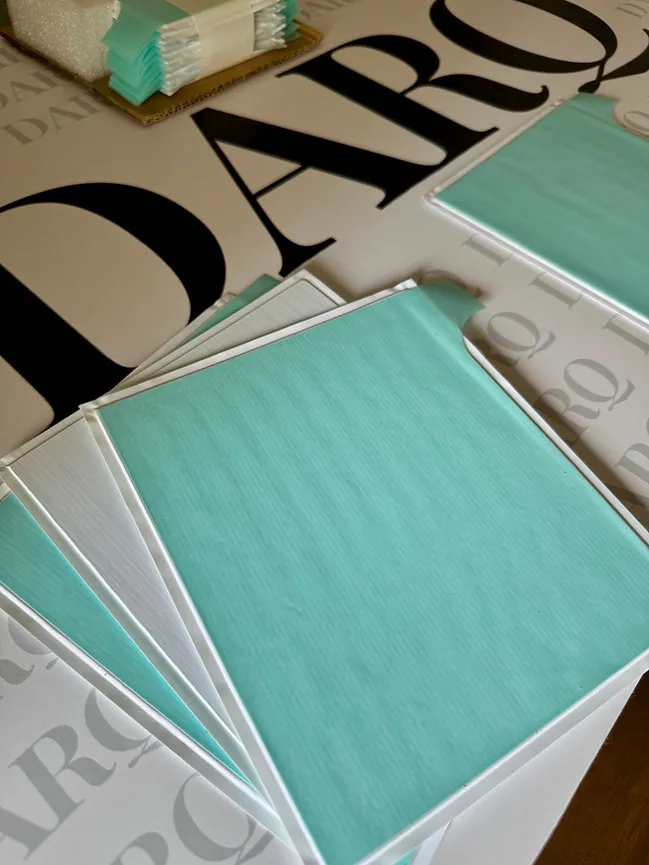
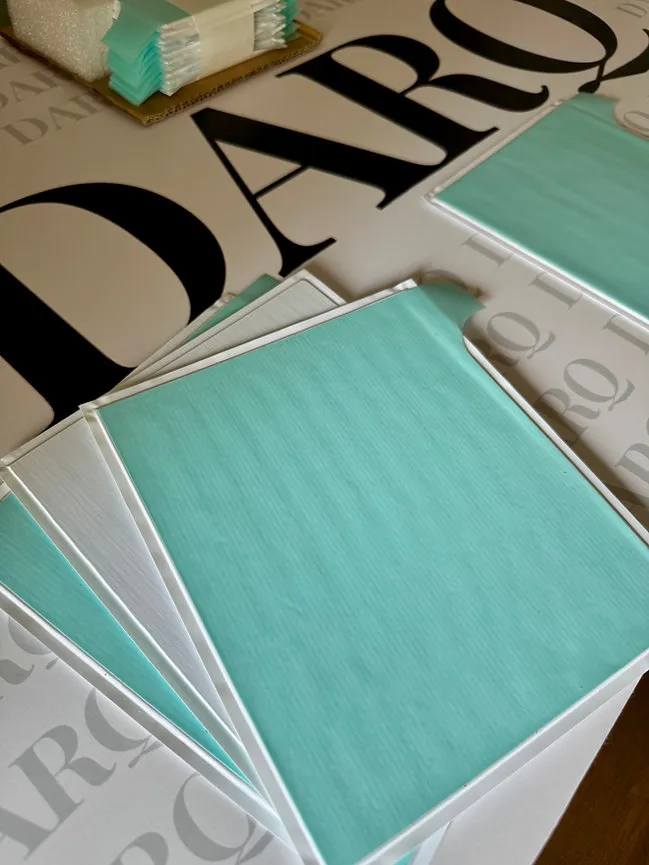
DARQ Industries provides advanced insulation solutions for industrial chimneys, stacks, and other high-temperature systems. Their technical specialists assist engineers, consultants, EPC contractors, and facility owners in selecting insulation systems that improve thermal efficiency, reduce maintenance requirements, and deliver dependable long-term performance.
























Sign in to leave a comment.