

A sealed command bunker, twelve hours into lockdown. The blast doors are shut, the NBC filtration unit is holding positive pressure against the outside air, and the radiation and chemical threat outside has been neutralized at the door. Yet inside, headaches are setting in. Concentration is slipping. Nobody outside has breached the shelter — the air the occupants are breathing has simply gone stale with their own exhaled carbon dioxide.
This is the scenario every shelter designer eventually confronts: filtration keeps contamination out, but it does nothing to remove the CO2 that builds up from human respiration inside a sealed space. That is the specific job of a CO2 Removal System, and it's a job that becomes urgent fast once occupancy and time start working against you. For facilities in India looking to combine engineering reliability with cost discipline, understanding what drives system selection — not just the price tag — is the real starting point.
Why Filtration Alone Isn't Enough
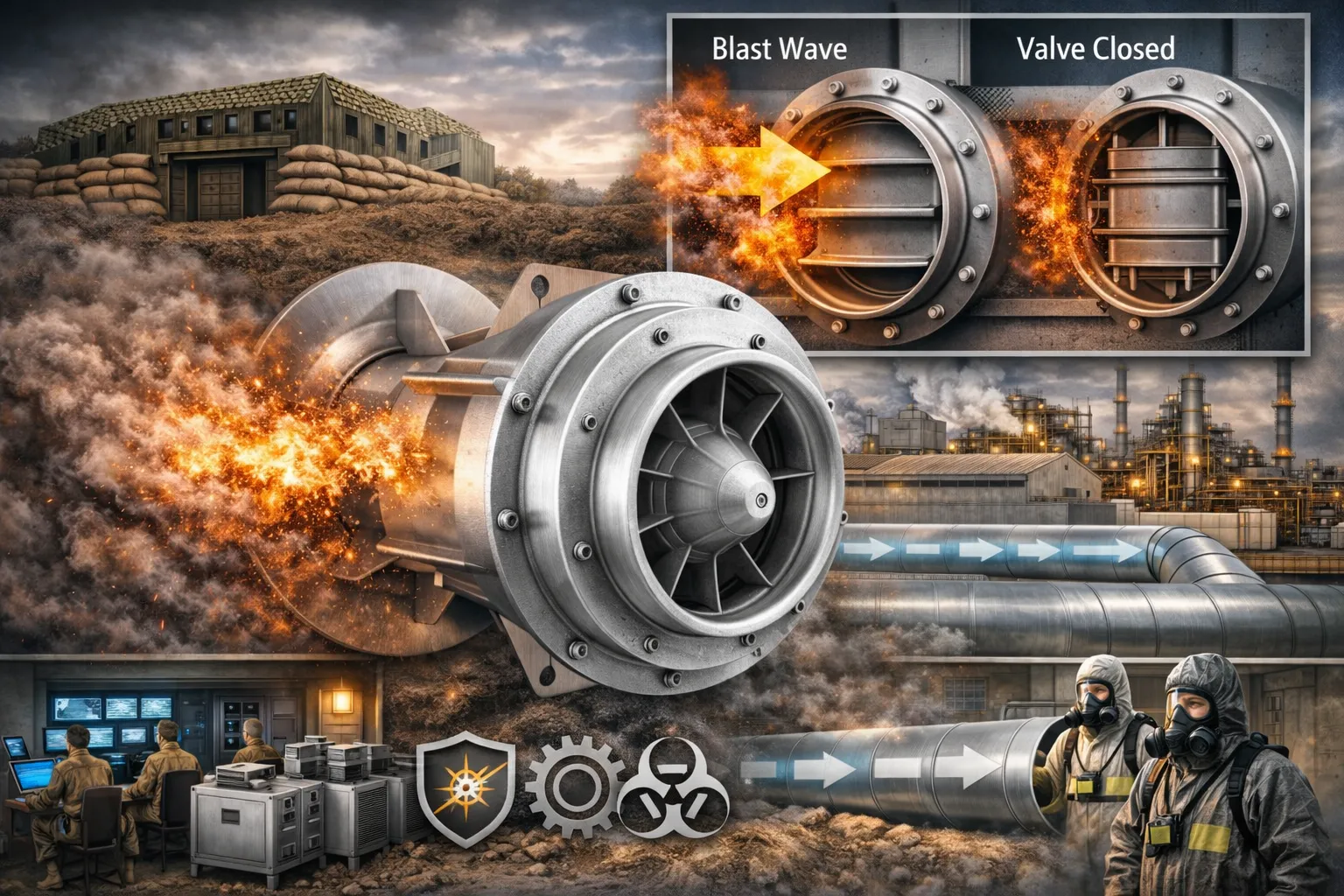
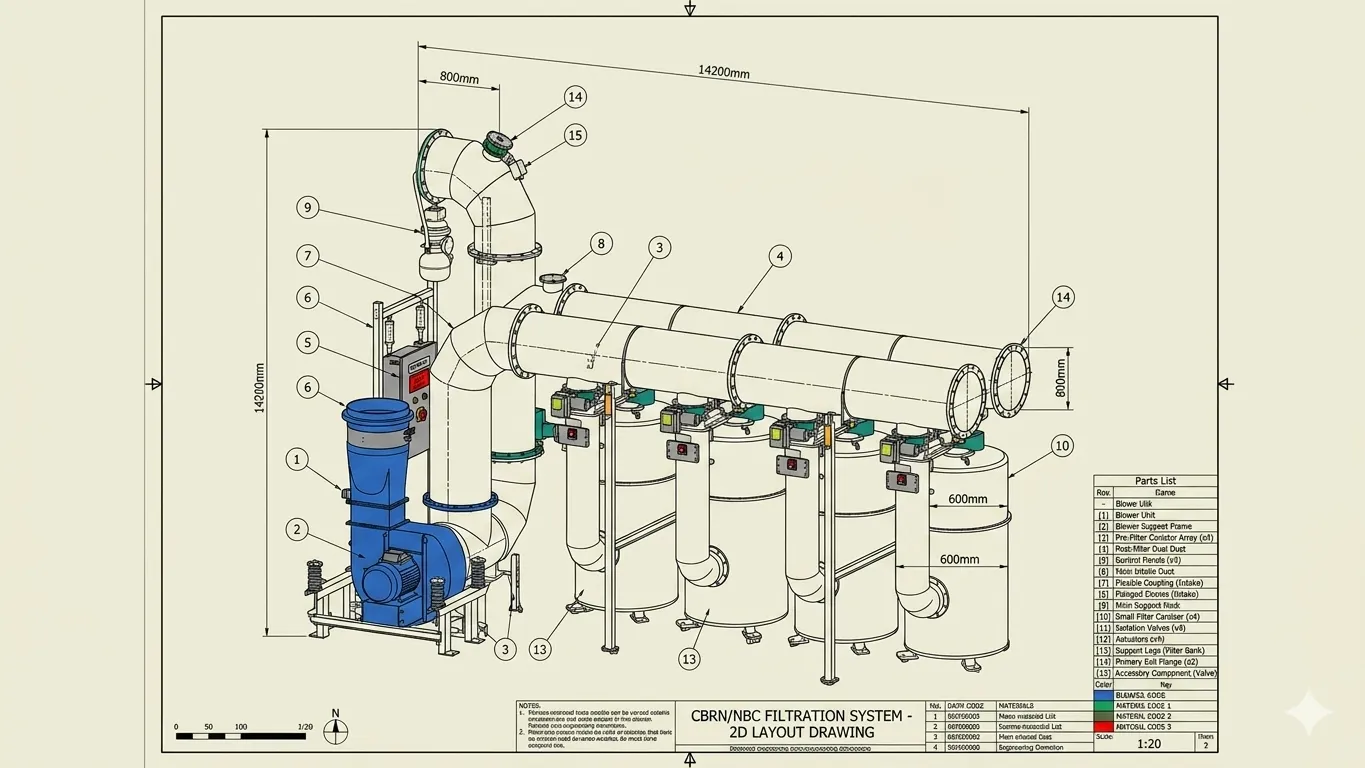
NBC filtration systems are built to strip biological, chemical, and radiological contaminants from incoming air while maintaining positive pressure inside the shelter envelope. That positive pressure is essential — it keeps unfiltered air from leaking in through seams and access points.
But positive pressure also means the shelter is, by design, nearly airtight. Outside air exchange is deliberately minimized. The CO2 produced by occupants breathing has nowhere to go unless a dedicated CO2 scrubber is actively pulling it out of circulation.
This is where many shelter designs fall short. Teams budget carefully for filtration and overlook the parallel — and equally critical — discipline of CO2 management.
How a CO2 Removal System Actually Works
A modern CO2 removal system uses one of a few core technologies: chemical absorption media (typically amine-based or soda-lime compounds), regenerative scrubbers that can be thermally or chemically cycled and reused, or molecular sieve systems that adsorb CO2 onto a porous structure and release it during a regeneration phase.
Chemical absorption media tend to suit shorter-duration or backup applications — they're simple, reliable, and don't need power to function as a scrubbing medium. Regenerative scrubbers and molecular sieves suit longer-duration occupancy, since the media doesn't get consumed; it gets cycled and reused, which matters enormously when resupply isn't an option mid-lockdown.
Occupancy Load and Shelter Volume
CO2 generation is a straightforward function of headcount and activity level — a resting adult produces roughly 0.3 to 0.5 litres of CO2 per minute, more under physical exertion or stress. Multiply that by occupancy and duration, and you get a CO2 load that has to be matched against shelter volume and air change rate.
Undersizing here is a common and dangerous error. A scrubber sized for routine occupancy will fall behind quickly if a shelter runs at higher-than-planned headcount during an actual event.
Oxygen Management and Monitoring
CO2 removal doesn't happen in isolation — oxygen depletion runs in parallel and needs its own monitoring and, in longer-duration shelters, supplementation. Real-time CO2 concentration sensors with clearly defined alarm thresholds are non-negotiable; by the time occupants notice symptoms, concentrations are already well past comfortable working levels.
Key Engineering Features Worth Evaluating
When assessing a Co2 scrubber for bunker or sealed-facility use, look for: regenerative or chemical absorption media suited to your occupancy profile, real-time CO2 monitoring with alarm integration, compatibility with existing NBC filtration and pressurization systems, low power draw for extended battery or generator operation, corrosion-resistant construction, a compact footprint, and quiet operation suited to command environments where acoustic discipline matters.
Applications Beyond the Bunker
While defence and underground command facilities are the obvious use case, the same engineering principles apply to civil defence shelters, border security installations, government continuity-of-operations facilities, sealed data centre enclosures, and any Co2 scrubber industrial application where prolonged sealed occupancy is a real operational scenario.
What Drives the Investment
Cost-conscious buyers searching for the best CO2 removal system in India should resist the temptation to shop on upfront price alone. The real cost drivers are occupancy duration, shelter volume, integration complexity with existing filtration, power backup requirements, and ongoing media replacement or regeneration cycles. A system that looks cheaper on paper can carry far higher lifecycle costs if media consumption or maintenance demands are underestimated.
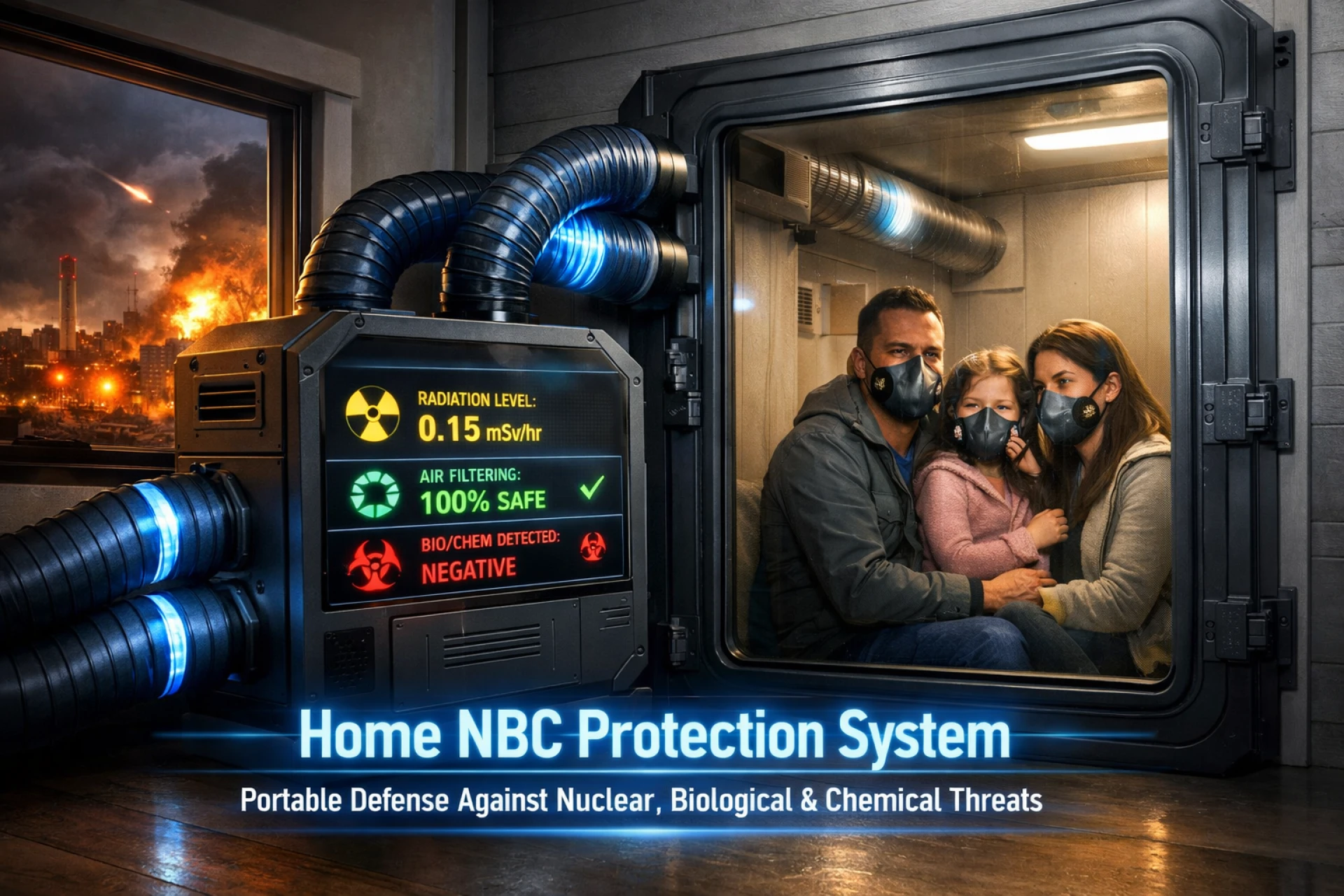
For residential and smaller-scale sealed environments, a Co2 scrubber for home use follows the same fundamentals at reduced scale — sizing against occupancy, ensuring adequate monitoring, and matching media type to expected duration of use.
Evaluating a Supplier
Before committing, examine a manufacturer's track record in life-support or defence-grade engineering, their testing and validation procedures, compliance documentation, and willingness to customize for your shelter's specific volume and occupancy profile. Installation support, maintenance planning, and clear documentation matter as much as the hardware itself — a well-engineered CO2 Removal System is only as reliable as the support structure behind it.
Common Mistakes to Avoid
The most frequent design failures include assuming filtration alone manages air quality, skipping occupancy-based CO2 calculations, underestimating shelter airtightness, choosing equipment purely on Co2 scrubber price, neglecting backup power for continuous scrubber operation, and commissioning a shelter without proper pre-occupancy testing of CO2 and oxygen control systems together.
Conclusion
Sealed bunkers and protected shelters depend on two distinct disciplines working in tandem: filtration to keep contamination out, and active CO2 management to keep breathable air sustainable inside. A properly engineered CO2 removal system, sized correctly against occupancy and shelter volume and integrated cleanly with existing NBC filtration, is what separates a shelter that holds up under extended occupancy from one that doesn't.
Choosing the right system isn't about finding the lowest number on a quote — it's about matching engineering capability to the operational reality your shelter is built to face. Done right, that investment protects the one thing no filtration system alone can guarantee: sustained, breathable, livable air for every hour occupants need to stay sealed in.


























Sign in to leave a comment.