
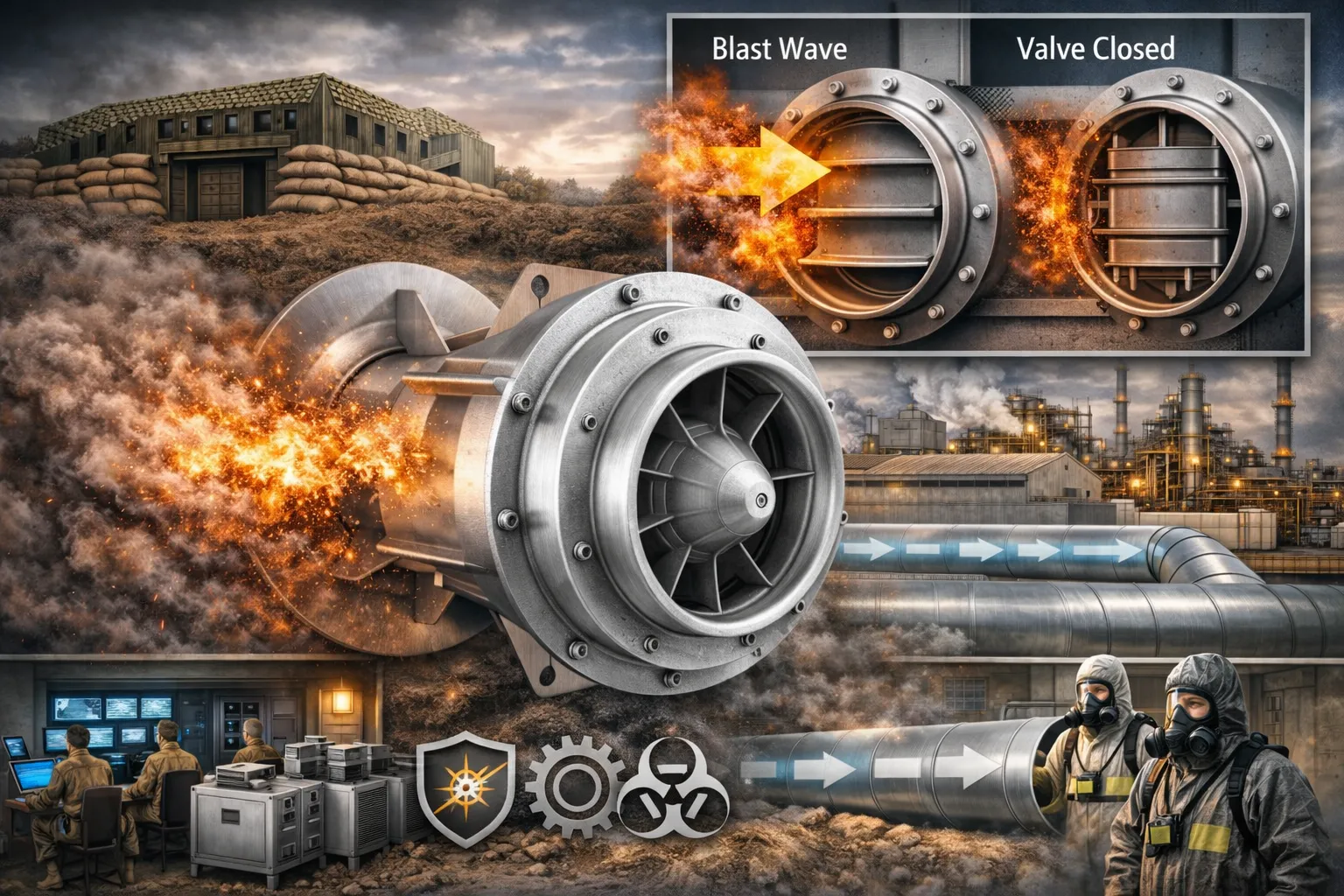
A military command bunker receives an early warning of airborne chemical contamination following an industrial accident near a strategic border installation. Within minutes, personnel must seal the facility while maintaining breathable air, stable internal pressure, and uninterrupted operations. In such scenarios, the effectiveness of an air protection system determines whether the shelter remains a safe operational environment or becomes vulnerable to hazardous contaminants.
Modern CBRN Filtration System solutions play a central role in protecting military bunkers, emergency shelters, nuclear facilities, and critical infrastructure against nuclear, biological, and chemical threats. Selecting the right filtration system requires far more than choosing a high-efficiency filter. It demands a thorough understanding of threat profiles, airflow engineering, contamination control, regulatory compliance, and long-term operational reliability.
Why a CBRN Filtration System Is Essential for Modern Bunkers
A CBRN Filtration System is engineered to remove radioactive particles, biological aerosols, toxic industrial chemicals, and chemical warfare agents from incoming air while maintaining positive pressure inside protected facilities.
Unlike conventional HVAC filters, an NBC filter system integrates multiple filtration technologies with environmental control mechanisms. These systems ensure occupants continue to receive clean, breathable air even when the surrounding atmosphere is contaminated.
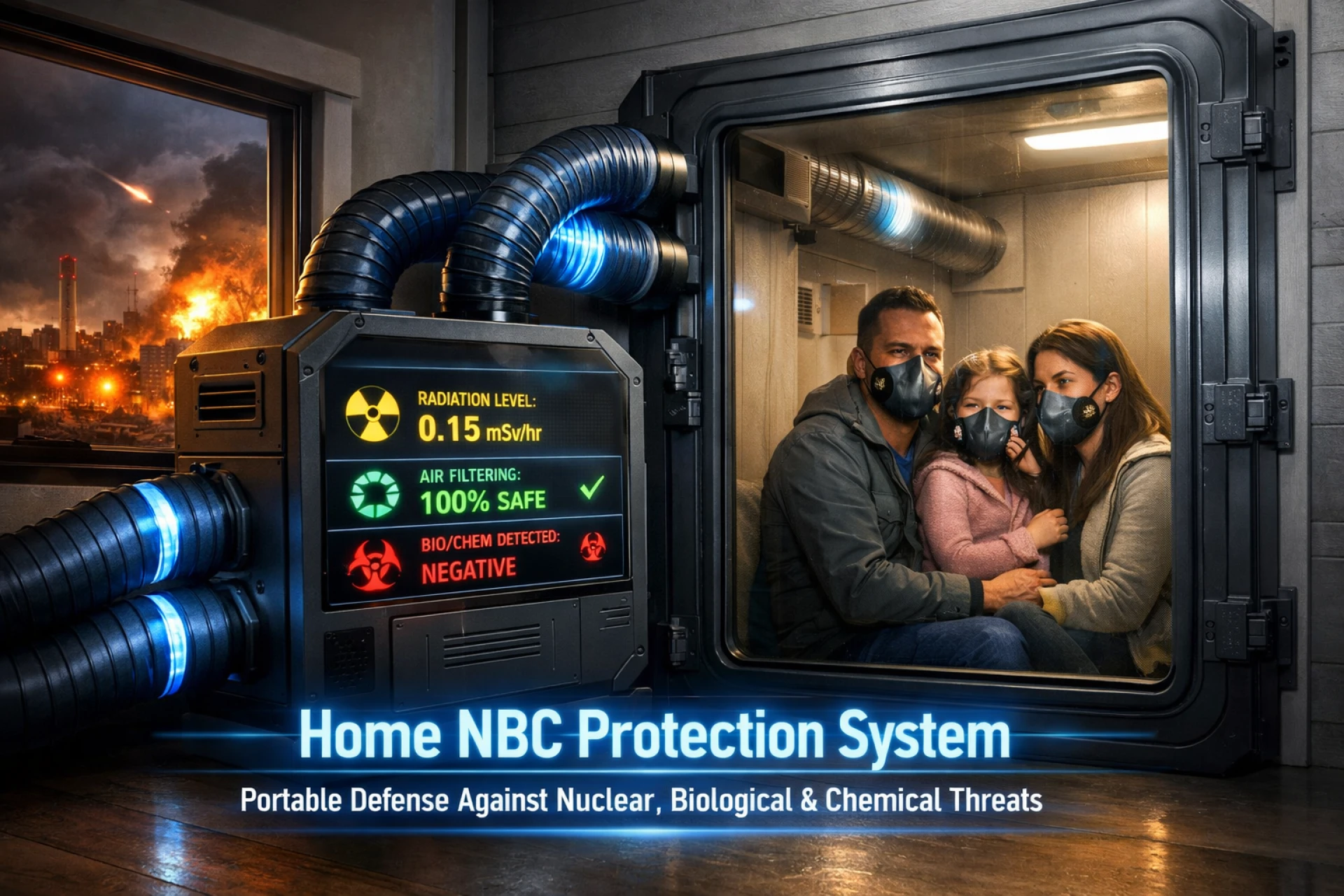
Facilities such as underground bunkers, defence installations, government command centres, and emergency operation centres rely on these systems to preserve mission continuity during high-risk events.
How a CBRN Filtration System Works
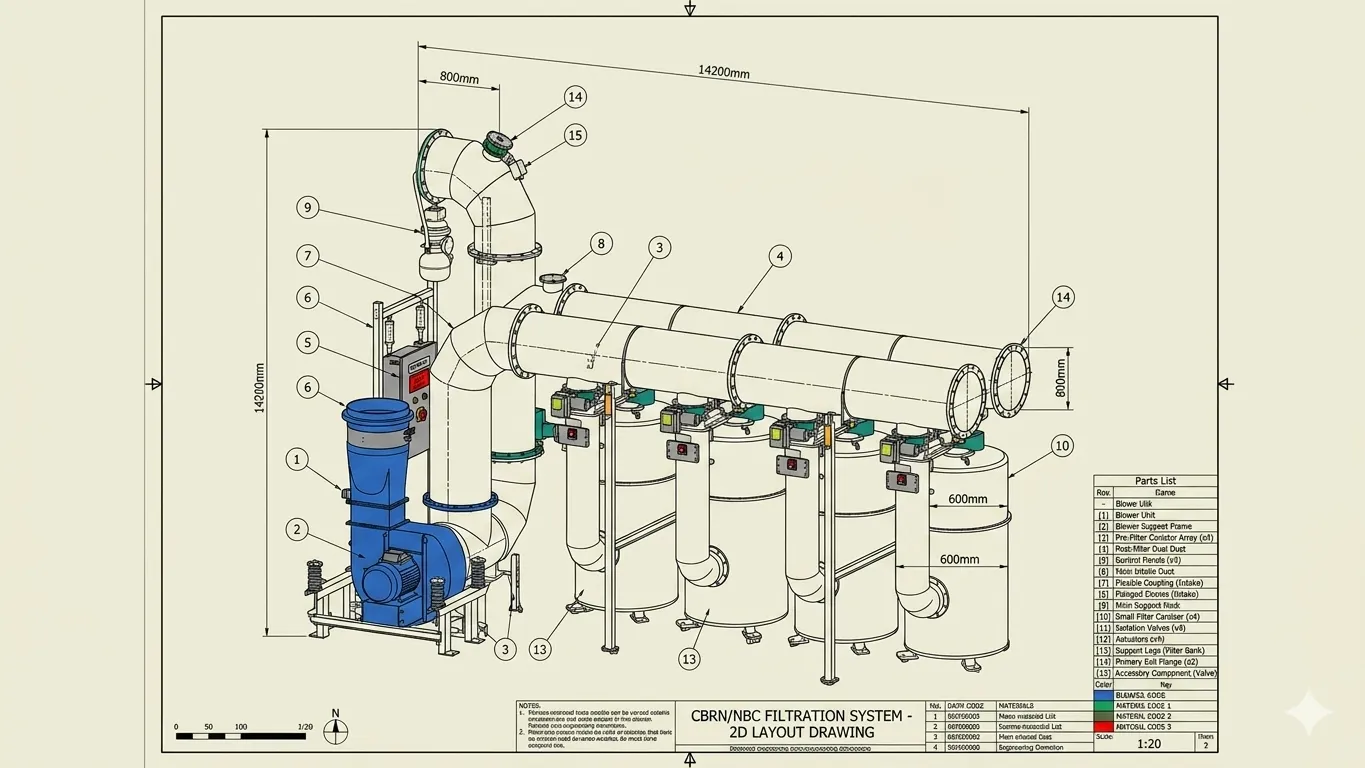
The effectiveness of a CBRN Filtration System comes from its layered approach to contamination control.
Incoming air typically passes through:
- Pre-filters that capture coarse dust and debris
- HEPA filters that remove extremely fine radioactive particles and biological contaminants
- Activated carbon beds that adsorb toxic gases and chemical warfare agents
- Pressure control components that maintain positive internal pressure, preventing contaminated air from entering through structural gaps
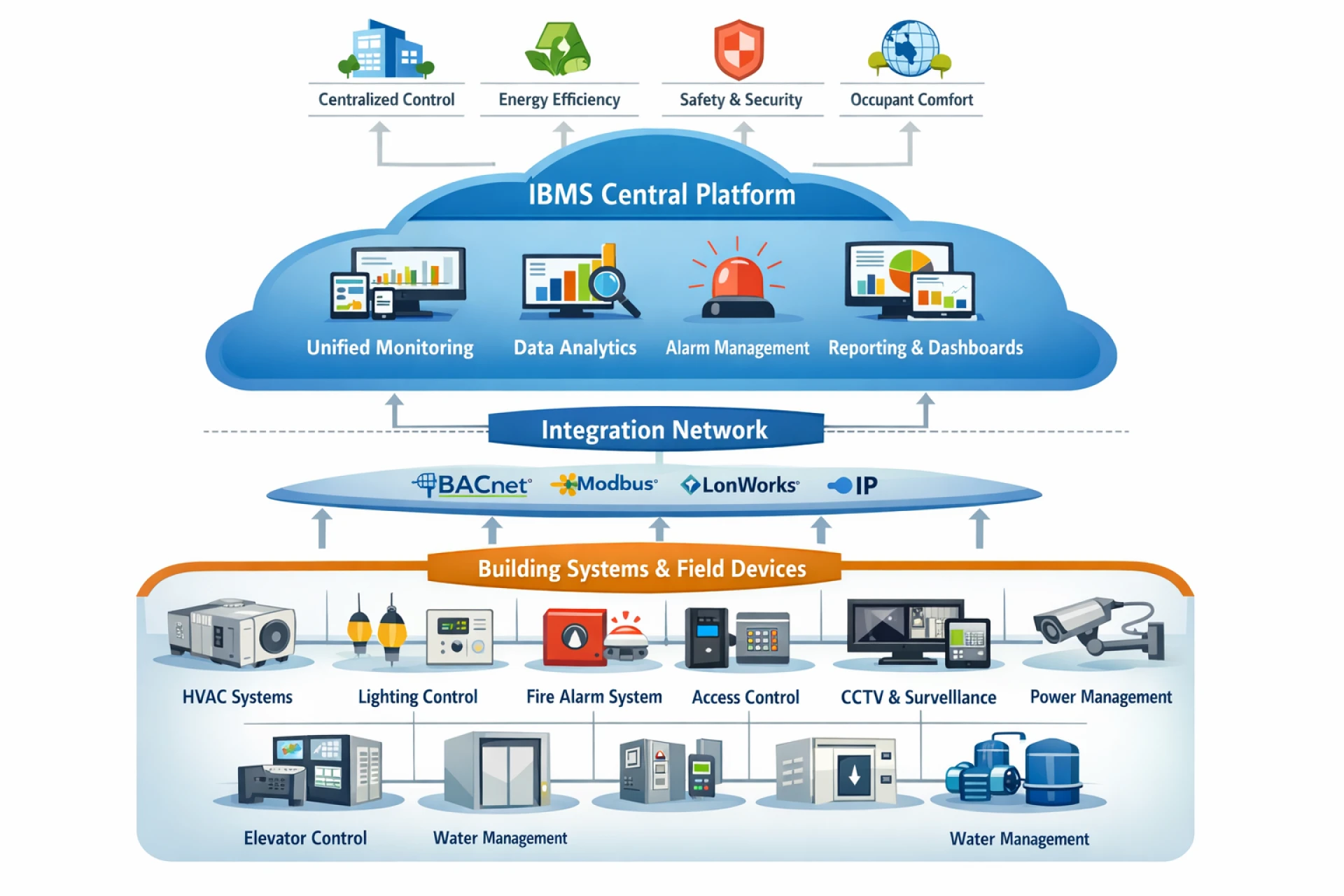
Many advanced systems also integrate continuous air monitoring equipment, allowing operators to detect changing environmental conditions and respond accordingly.
For a technical overview of modern CBRN Filtration System engineering, it is helpful to review how multi-stage filtration and contamination control technologies are integrated into secure infrastructure.
Key Features to Evaluate in an NBC Filter for Bunker
Selecting an NBC filter for bunker applications involves assessing both protection capability and long-term operational performance.
Important engineering features include:
- High-efficiency HEPA filtration
- Activated carbon filtration for toxic gas adsorption
- Protection against biological contaminants
- Radioactive particle removal capability
- Positive pressure operation
- Corrosion-resistant construction
- Compatibility with continuous air monitoring systems
- Low maintenance design
- Long operational service life
- Energy-efficient airflow management
- Modular architecture for future upgrades
- Reliable emergency operating performance
These features contribute directly to occupant safety and operational continuity during contamination events.
Where NBC Filtration Systems are Used
Modern NBC protection systems support a wide range of critical facilities beyond military shelters.
Common applications include:
- Military bunkers
- Defence command centres
- Ammunition storage facilities
- Nuclear power plants
- Chemical processing plants
- Petrochemical installations
- Government security buildings
- Underground emergency shelters
- Strategic infrastructure
- Data centres supporting national operations
- Critical industrial manufacturing facilities
Growing investment in homeland security has also increased interest in the Top NBC filtration system manufacturers in India, particularly for government and industrial projects requiring customized protection solutions.
Engineering Factors That Influence System Selection
Choosing an NBC filtration system should begin with a detailed engineering assessment rather than equipment specifications alone.
The first consideration is threat assessment. Facilities exposed to chemical processing risks require different filtration priorities than nuclear installations or military shelters.
Airflow capacity must match both shelter occupancy and ventilation requirements. Undersized systems compromise air quality, while oversized equipment increases operating costs without improving protection.
Filtration efficiency should comply with recognised defence and industrial standards, ensuring reliable removal of hazardous particles and gases.
Environmental conditions also influence system selection. Coastal regions, high-humidity environments, and corrosive industrial locations require specialised materials and protective coatings.
Additional factors include installation complexity, monitoring systems, maintenance accessibility, lifecycle cost, and future expansion capability.
Although many buyers search terms such as NBC air filtration system price or NBC filtration system in Faridabad price, long-term engineering performance, compliance, and reliability should always outweigh initial procurement costs.
Choosing the Right Manufacturer
Evaluating suppliers requires more than comparing technical brochures.
When assessing the Top CBRN filtration system manufacturers in India, buyers should examine:
- Experience in defence and industrial engineering
- Manufacturing quality and production capabilities
- Testing and validation procedures
- Compliance with recognised technical standards
- Product customization options
- Installation support
- Preventive maintenance services
- Comprehensive technical documentation
- Availability of replacement filters and spare parts
- Proven long-term operational reliability
Manufacturers with established expertise in contamination control engineering typically deliver systems better suited to complex infrastructure projects.
Common Mistakes to Avoid
Several recurring mistakes reduce the effectiveness of bunker protection systems.
Selecting equipment without a proper threat assessment often results in insufficient protection against actual contaminants.
Ignoring airflow calculations can create poor ventilation and unstable pressurization inside protected shelters.
Choosing systems solely on purchase cost frequently leads to higher maintenance expenses and reduced operational life.
Other common errors include:
- Underestimating filtration efficiency requirements
- Neglecting maintenance planning
- Ignoring regulatory compliance
- Failing to maintain positive shelter pressure
- Overlooking future expansion needs
- Delaying filter replacement beyond recommended service intervals
- Skipping commissioning tests after installation
A properly commissioned system performs reliably only when maintenance schedules and performance testing remain consistent throughout its service life.
Conclusion
Selecting the right CBRN Filtration System is a strategic engineering decision that directly influences the safety, resilience, and operational readiness of protected facilities. Effective contamination control depends on accurate threat assessment, properly engineered airflow, multi-stage filtration, reliable pressurization, and compliance with recognised performance standards.
Whether protecting military bunkers, nuclear facilities, government security buildings, or critical industrial infrastructure, a well-designed NBC filter system provides dependable defence against nuclear, biological, and chemical hazards. By prioritizing engineering quality, validated performance, lifecycle reliability, and experienced manufacturers over short-term cost considerations, organizations can strengthen long-term infrastructure resilience while ensuring occupant safety and preparedness for evolving CBRN threats.

























Sign in to leave a comment.