

Electric vehicles are no longer limited to a small group of early users or high-end buyers. Today, companies produce them in large numbers and use them in industrial fleets, public transport, and even heavy machines. As electrification grows faster, manufacturers face a bigger challenge. They must make sure vehicles perform well, stay safe, and remain reliable, while also keeping costs under control.
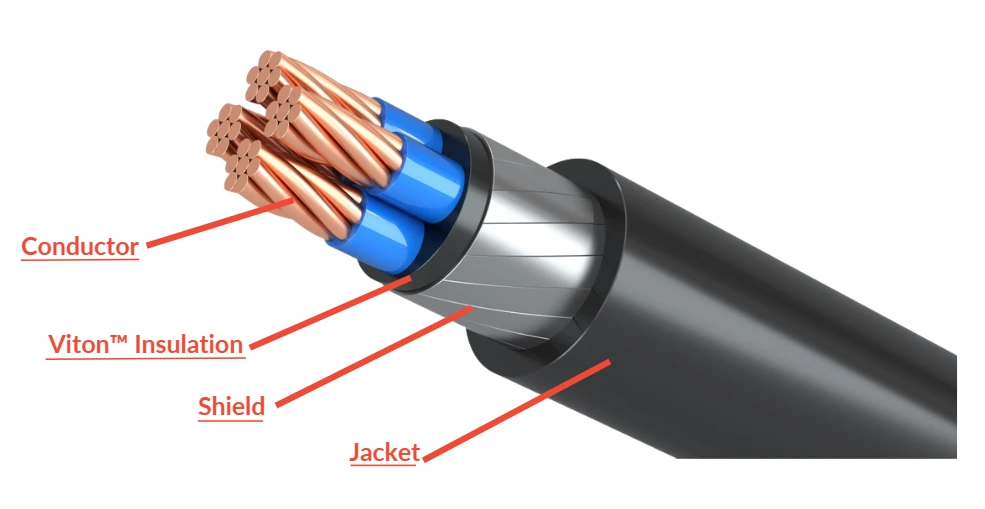
One important part of this challenge often gets overlooked. The wiring that carries power through these systems. EV cables and HV cables help electricity flow smoothly, keep systems safe, and make sure vehicles and machines last longer in real working conditions.
This topic has become especially important in 2025, as material prices are rising, safety rules are stricter, and EV production continues to grow. Because of this, buyers are rethinking how they choose suppliers. Automotive and industrial decision makers are now looking for cable solutions that are affordable, certified, and built for long-term use. This article explains how choosing the right EV cables and HV cables can help control costs without reducing performance.
Why EV and HV Cables Matter More Than Ever in 2025
The role they play in modern electric systems
Electrification has changed how electricity moves inside vehicles and industrial machines. Older wiring was not built to handle constant high voltage, quick charging, or tight spaces. Because of this, engineers now use EV cables and HV cables to manage these higher demands safely.
These cables move power between batteries, motors, inverters, and charging systems. They work in tough conditions, including high heat, strong vibrations, and contact with oil, water, and dust. If these cables fail, the entire system can stop working. This can create safety problems and increase repair costs.
When manufacturers focus on strong cable performance, they keep systems running smoothly and protect users from the very beginning.
Industry insight shaping demand
Global EV production keeps increasing across passenger vehicles, two-wheelers, commercial fleets, and off-highway machines. Industries are also switching to electrification to work more efficiently and lower pollution. As production grows, buyers do not want to manage many different suppliers.
Instead, they look for standardized cable solutions that work the same way across different vehicles and machines, while also keeping costs under control at larger production levels.
How manufacturers apply this today
OEMs and Tier 1 suppliers are changing how wiring systems are designed to make them lighter and more energy efficient. They select optimized HV cables and EV cables that handle heat better and fit more easily into tight spaces. This makes the wiring easier to install and maintain.
When cable design matches the overall system layout, manufacturers can build systems that are reliable and easy to scale as production grows.
The Cost Challenge in Automotive and Industrial Electrification
How manufacturers balance cost and safety
Automotive and industrial buyers always try to reduce costs. At the same time, HV cables must follow the rules for insulation, voltage strength, fire safety, and long-lasting performance. Authorities enforce these rules carefully, with no room for shortcuts.
Manufacturers keep cables affordable by using smart engineering instead of cutting corners. They choose the right materials, size the conductors properly, and improve how cables are made so all standards are met without raising costs too much.
What industry data shows
Manufacturers that improve insulation materials and make their production process more efficient can produce affordable EV cables without losing performance. Better designs reduce waste and help produce more cables with the same materials.
This allows suppliers to offer reliable cable solutions that stay competitive even as rules and standards continue to change.
Real-world use in industrial systems
Industrial equipment manufacturers often work across many industries, each with different demand levels. By using the same HV cables across different product lines, they make purchasing and inventory management easier. This reduces supply risks and helps keep costs more predictable over long production periods.
Design and Performance Requirements for EV and HV Cables
What modern cable design must deliver
Engineers design EV cables to fit into small spaces, bend many times, and handle constant heat. These cables need to stay flexible without cracking or damaging their insulation. HV cables must keep their insulation strong even when they carry high voltage for long periods.
Vehicles need cables that can handle shaking and movement. Industrial machines need cables that resist chemicals, wear, and heavy use.
The way engineers design cables directly affects how reliable a system is and how often it needs repairs.
Performance insights from testing and validation
Today, cable testing goes beyond simple electrical checks. Manufacturers test cables to see how they handle heat over time, resist fire, withstand wear, and stay stable under long-term voltage use. Buyers also expect clear records that show where the cables come from and how they were tested.
High-quality cable solutions include these safety and performance requirements during the design stage, not after the cables are already made.
How OEMs apply these standards
Automotive platforms now use modular designs, where the same parts can be used in different vehicles. OEMs use the same EV cables across multiple vehicle models to make testing simpler and launch new vehicles faster. Industrial automation systems also benefit from using the same approach.
Standardized designs reduce repeated testing and help manufacturers increase production more quickly.
Scaling Affordable Cable Solutions Across Industries
Why scalability defines long-term success
Electrification now extends beyond passenger vehicles into electric buses, material handling equipment, construction machinery, and factory automation. This expansion demands cable solutions that scale across industries without performance trade-offs.
Scalable designs ensure stable pricing, predictable supply, and consistent quality as volumes increase.
Market insight driving this shift
Suppliers who invest in automated manufacturing and standardized testing deliver HV cables and EV cables that maintain performance at higher volumes. Automation improves consistency and reduces production variability.
This capability allows manufacturers to support domestic and export markets with confidence.
Real-world industrial use case
Industrial automation systems often use the same wiring setup for both power and control units. Engineers choose common cable solutions to make installation easier and reduce machine downtime.
Scalable cable design helps systems run longer without problems and lowers maintenance costs over time.
Choosing the Right EV and HV Cable Partner
What buyers should check carefully
Price alone does not show real value. Buyers should look at how cables are tested, where the materials come from, and how consistently they are manufactured. Reliable EV cables and HV cables come from manufacturers who understand how these cables perform in real working conditions.
Clear documentation and proper certification help buyers avoid safety and compliance problems.
How industries choose the right suppliers
Experienced manufacturers design cable solutions to last for many years, not just to save money in the short term. They plan for changing standards and future system upgrades.
This long-term approach helps reduce redesign costs and keeps products working well throughout their lifecycle.
Practical decision-making for OEMs and industries
Buyers benefit when suppliers offer technical support during the design and installation stages. Working together early helps make sure the selected cables can handle the electrical load, fit into the available space, and stay within cost limits.
Strong supplier partnerships help bring stability in a fast-changing market.
Actionable Takeaways for Automotive and Industrial Buyers
- Choose tested and certified EV cables and HV cables
- Look at total lifecycle cost, not just upfront price
- Select standardized cable solutions that can scale easily
- Make sure cable designs match real operating conditions
- Work with manufacturers who focus on compliance and consistent quality
The Bigger Picture for Electrification in 2025
Manufacturers do not achieve affordable electrification by cutting corners. They achieve it through smart engineering, disciplined manufacturing, and long-term planning. As automotive and industrial sectors expand electrification efforts, reliable EV cables, robust HV cables, and scalable cable solutions become foundational components.
In 2025, the right cable strategy delivers more than cost control. It delivers safety, uptime, and future readiness. The real question is not whether electrification will continue, but whether your wiring infrastructure can support the next phase of growth.


























Sign in to leave a comment.