
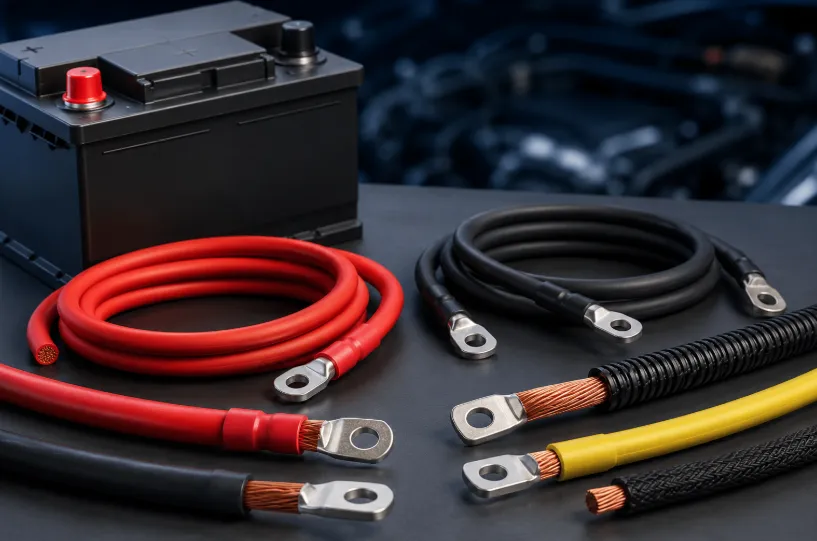
When the real culprit is your Cable and not the Battery A fleet owner calls, inconvinced his truck’s battery has given up again. It is the third time th...
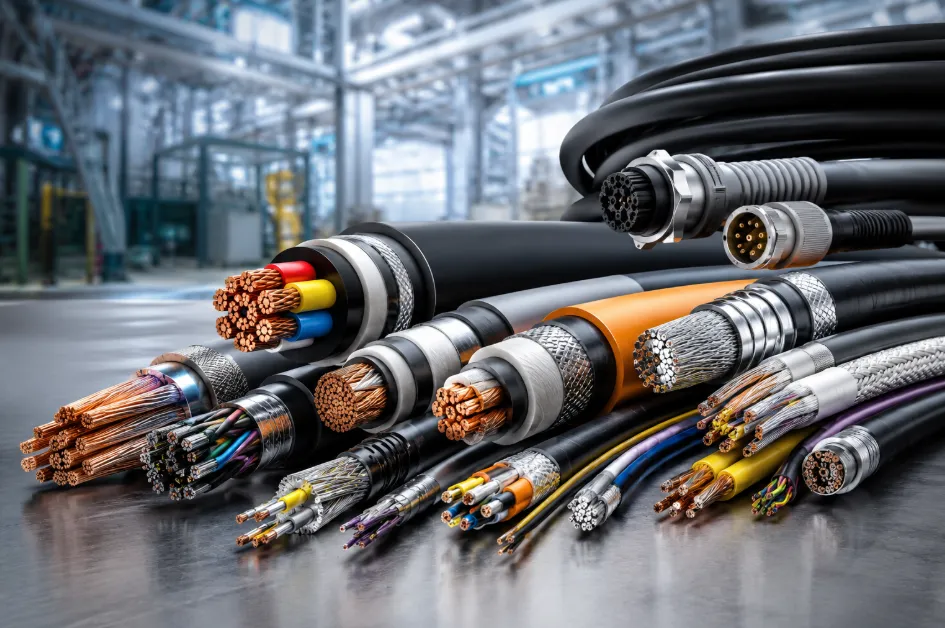
A cable may look like a simple component and many ignore it, but the conditions around it can be anything but simple. Inside an industrial machine, a ca...
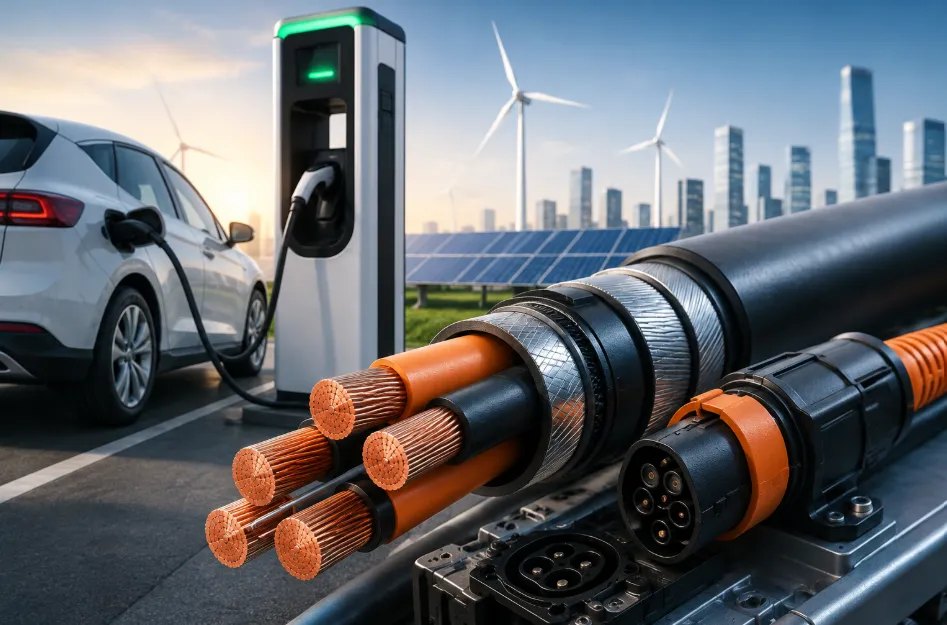
Electric vehicles are no longer unusual sights on Indian roads. Electric scooters move through busy city traffic, delivery fleets complete daily routes ...
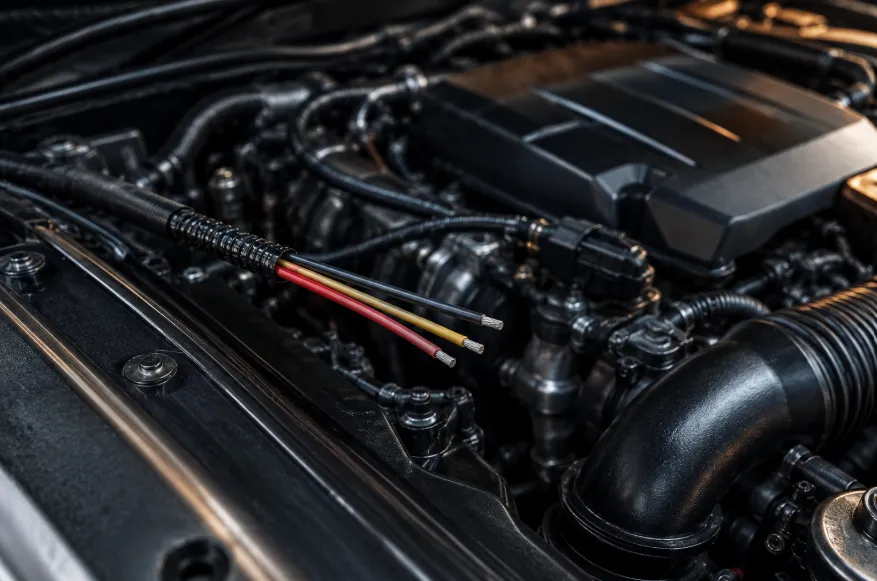
A vehicle may appear perfectly calm from the driver’s seat, but the conditions beneath its bonnet tell a different story. The engine is producing heat, the a...
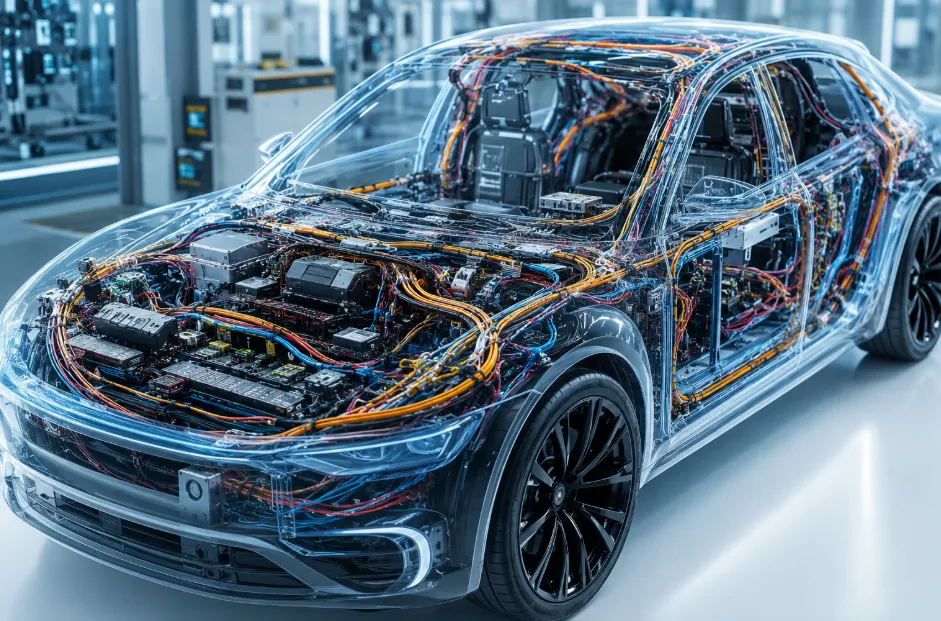
A driver enters a modern car, presses the start button, connects a phone, checks the reverse camera, adjusts the climate control and receives a seat be...

A garden can feel completely different when the right music fills the space. Restaurants use outdoor audio to create a welcoming atmosphere for diners. Resor...
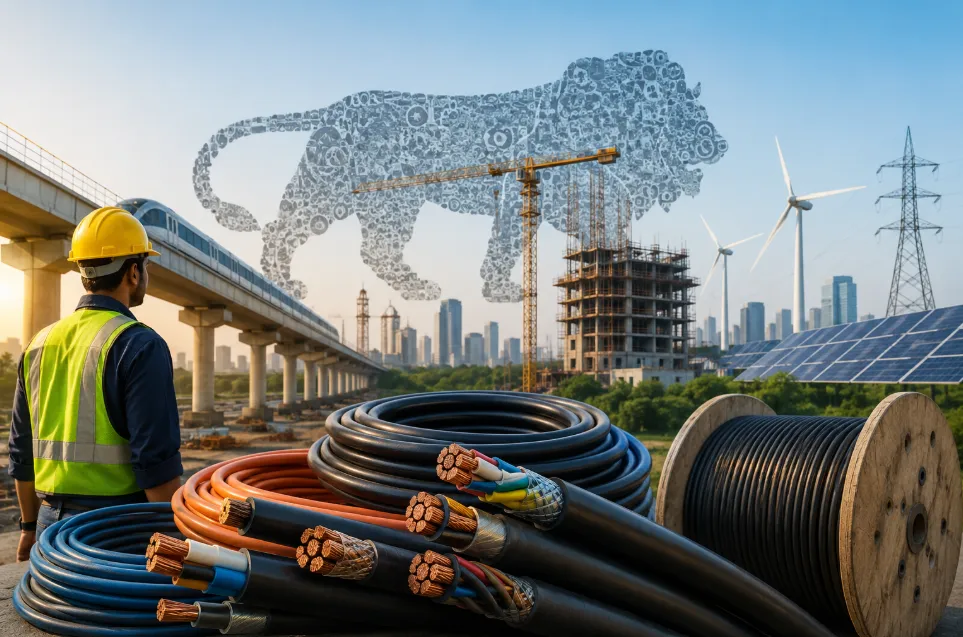
A factory expansion looks simple on paper. A new machine arrives, the production floor is marked, the electrical panel is planned and the team is ready to be...
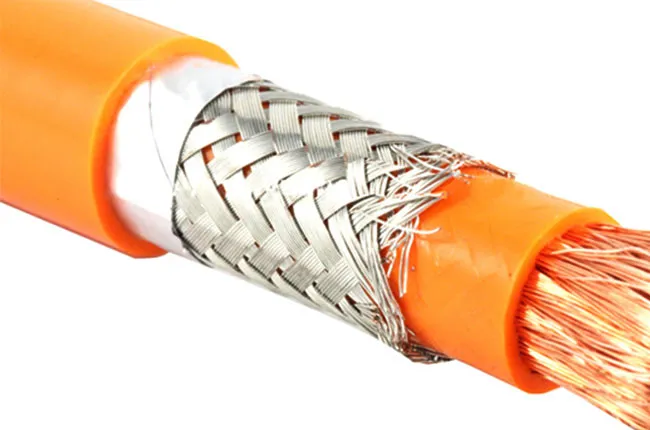
This is where many industrial teams discover a silent risk inside automation systems, unshielded wires used in electrically noisy environments.
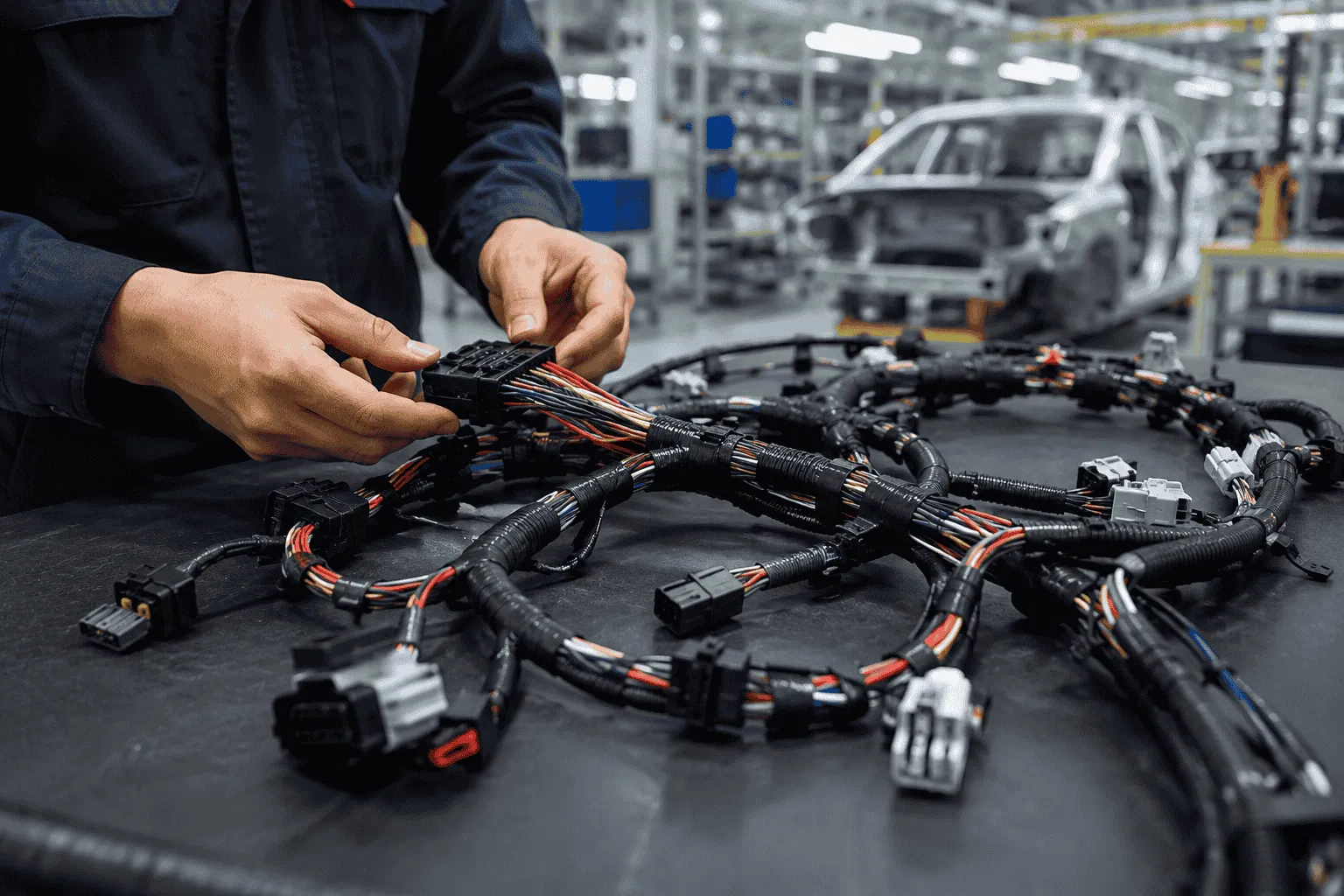
As vehicles become more advanced in 2026, the demand for dependable automotive electrical wiring harness solutions continues to grow. Manufacturers are under pressure to improve quality, reduce downtime and support new technologies, especially in electric and connected vehicles.
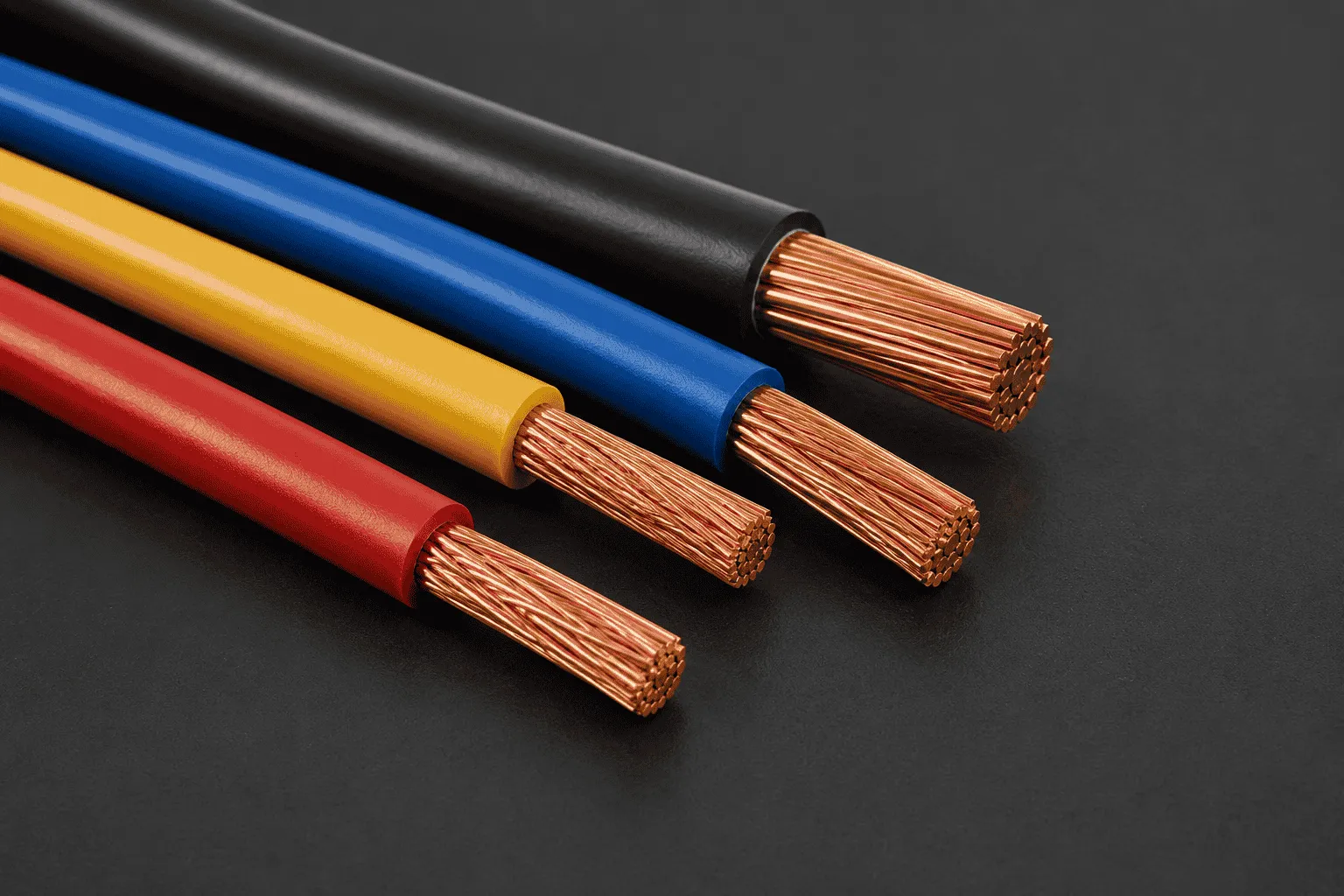
The electrical wiring network quietly powers every light, appliance, security system and critical operation within the building. When this network performs well, nobody notices. When it fails, the consequences can be costly and sometimes dangerous.
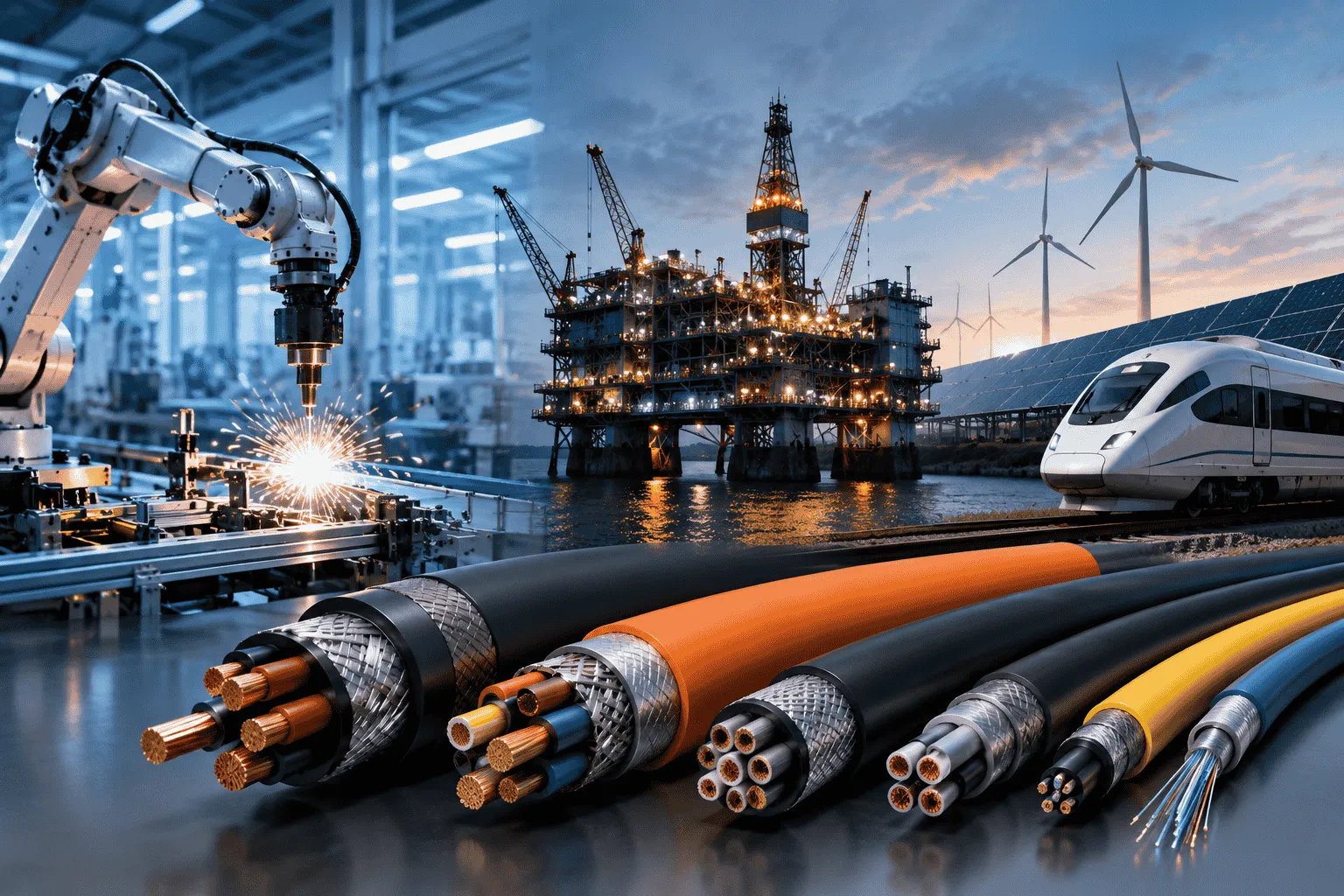
This shift in demand is driving a growing need for custom special cables. Custom cables are the perfect solution for industries that operate on an above average scale, industries that make an impact. Rather than relying on one size that fits all solutions industries are investing in cable systems specifically designed for their operational needs and working conditions.
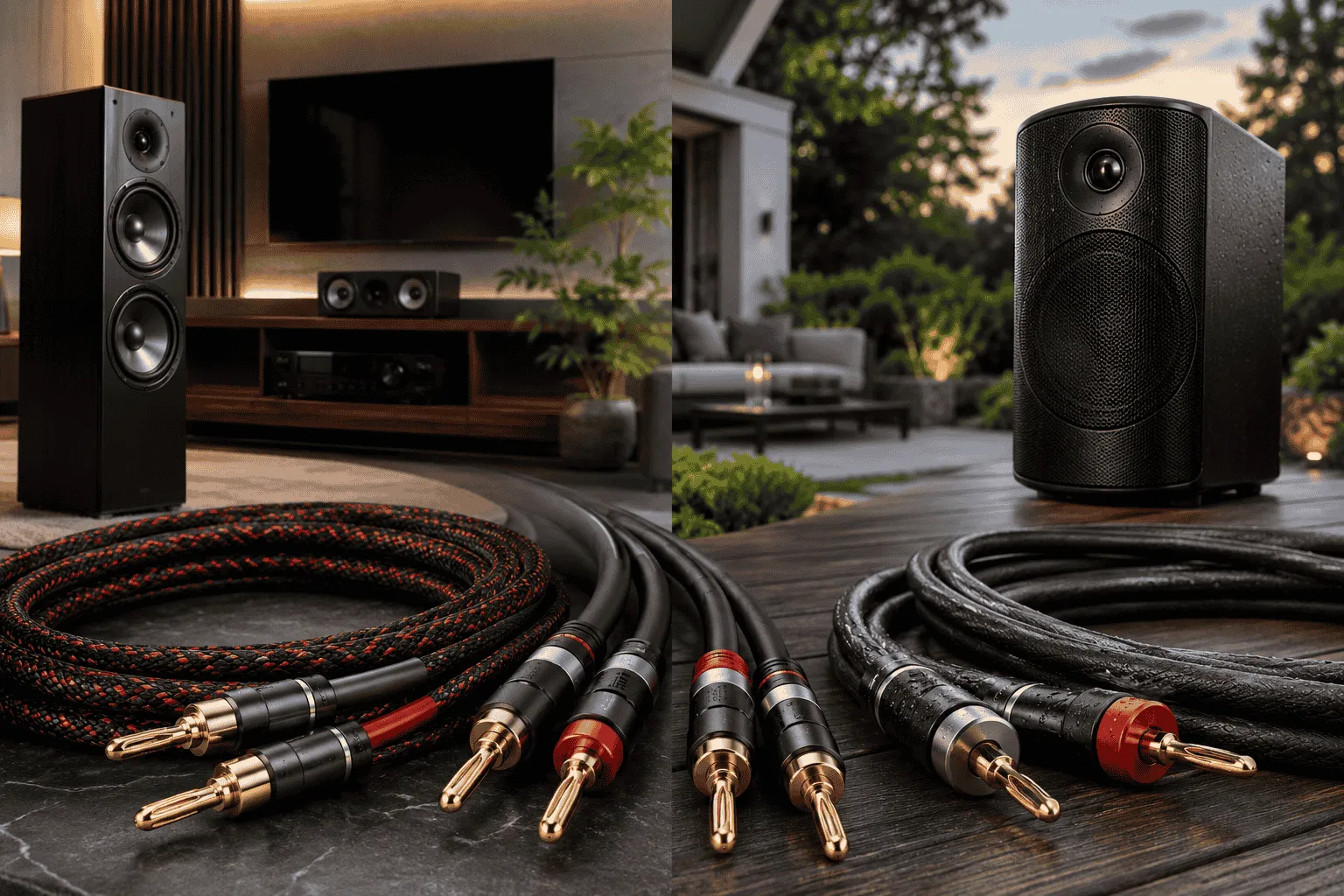
The cable carrying the audio signal plays a much bigger role than many people realise. Whether you are building a home theatre, setting up speakers in a conference room, or designing an outdoor entertainment area, choosing the right speaker cable directly affects sound quality and long term reliability.
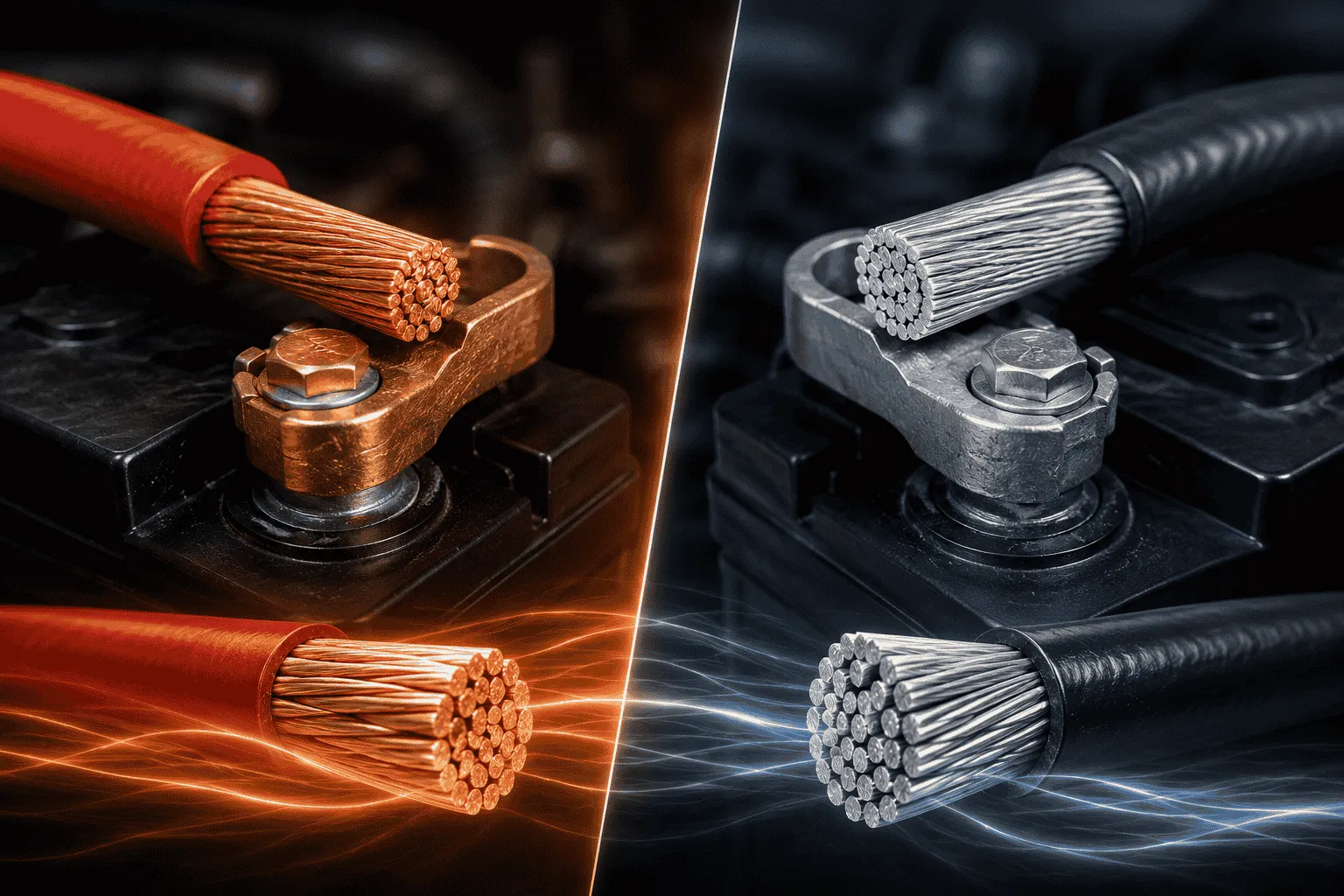
This is where the discussion around copper vs. aluminium battery wire becomes a key discussion. Both materials have their own strengths. Copper is known for excellent conductivity and durability, while aluminium attracts attention because of its lower weight and cost benefits it brings with it.
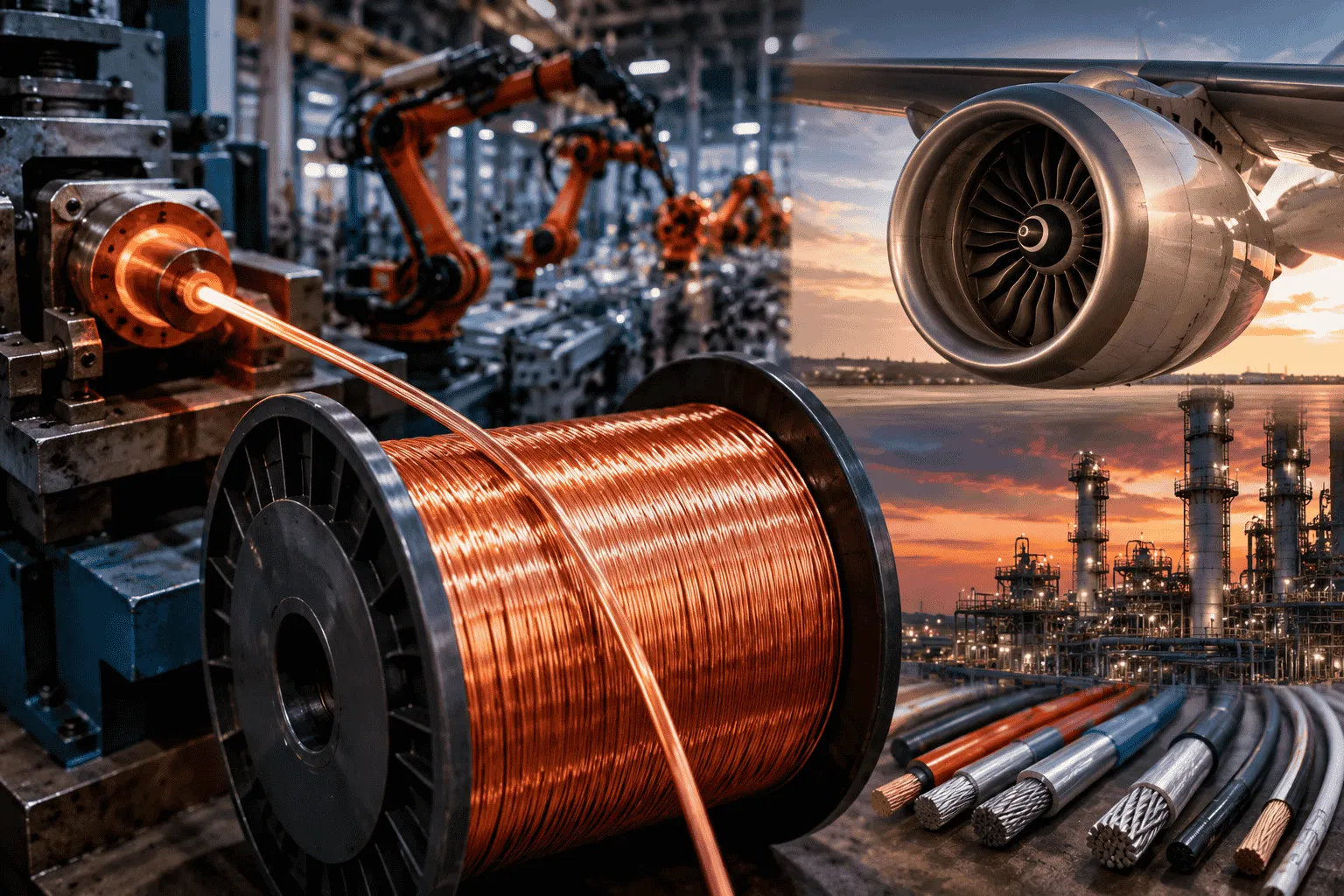
That is exactly why high temperature wire manufacturing has become a critical part of modern industries. Today's industrial systems are more compact, more powerful, and expected to deliver uninterrupted performance.
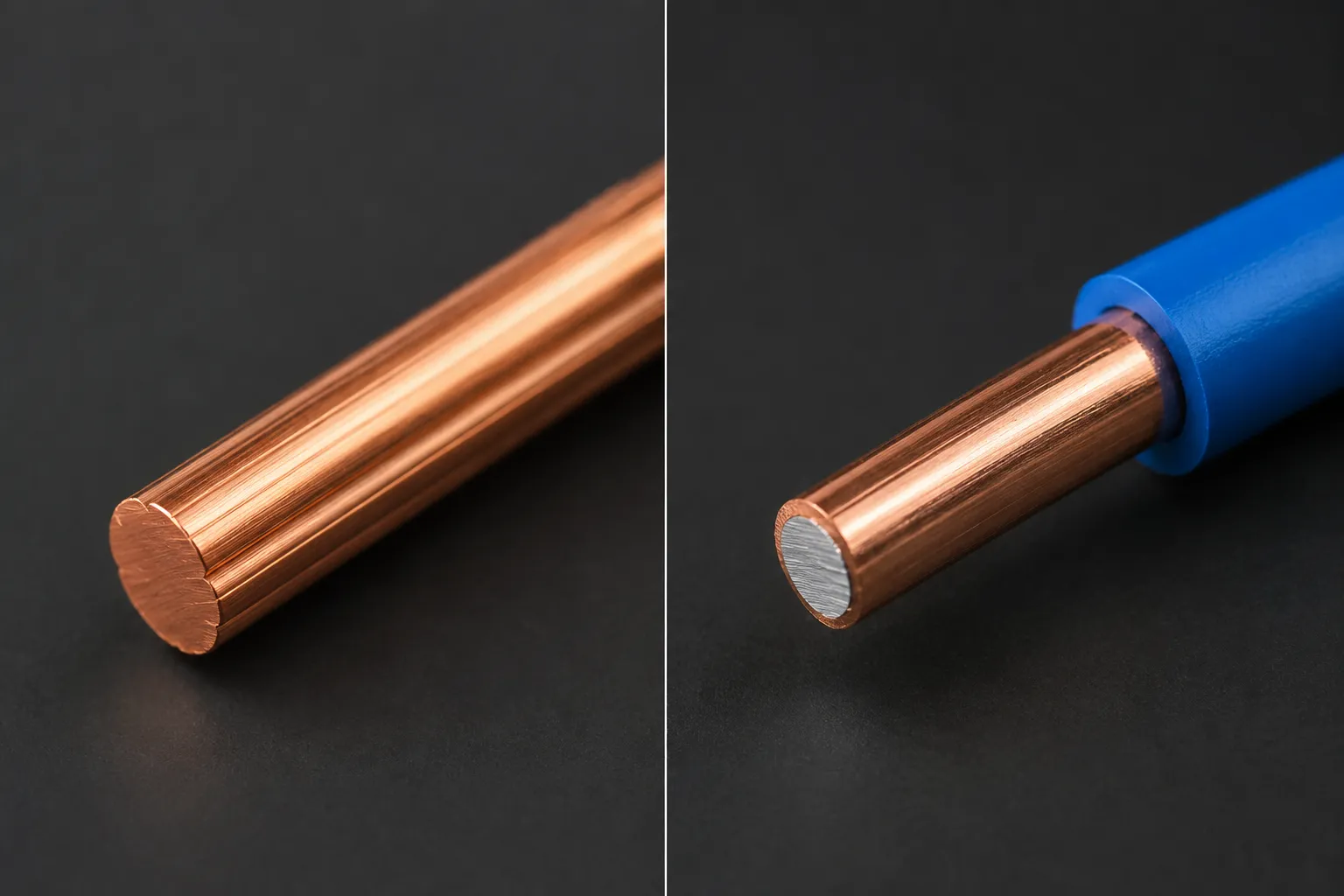
In real buying situations, the decision often comes down to cost. You compare copper vs. copper clad wire, and the price difference stands out immediately. Copper clad options seem attractive, especially for bulk purchases.
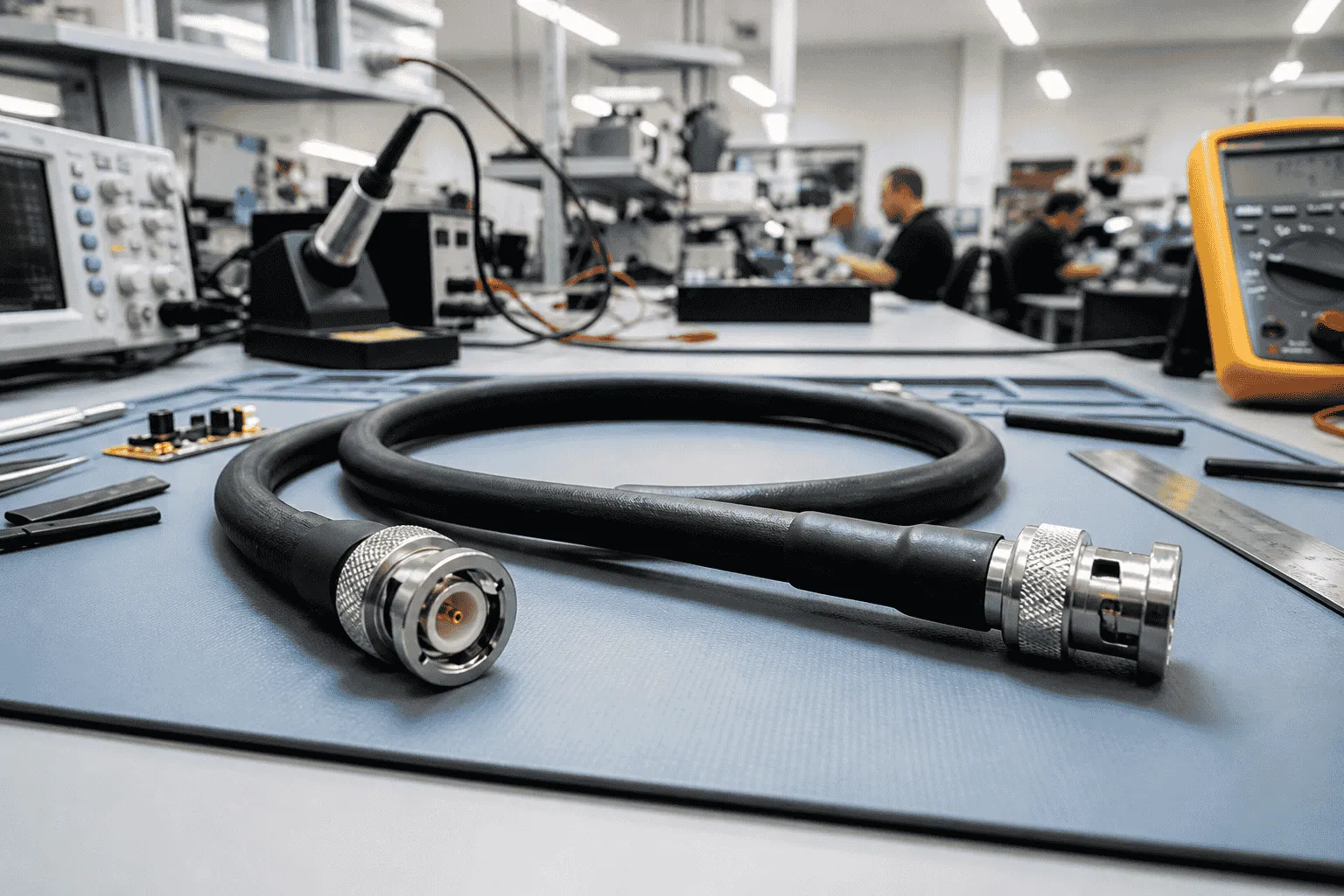
Technology has become smaller, faster, smarter, and far more interconnected than it was even a decade ago. From electric vehicles and industrial automation systems to smart appliances and advanced communication networks, the expectations placed on connectivity have changed dramatically. Components that once played a supporting role now directly influence performance, efficiency, and safety.
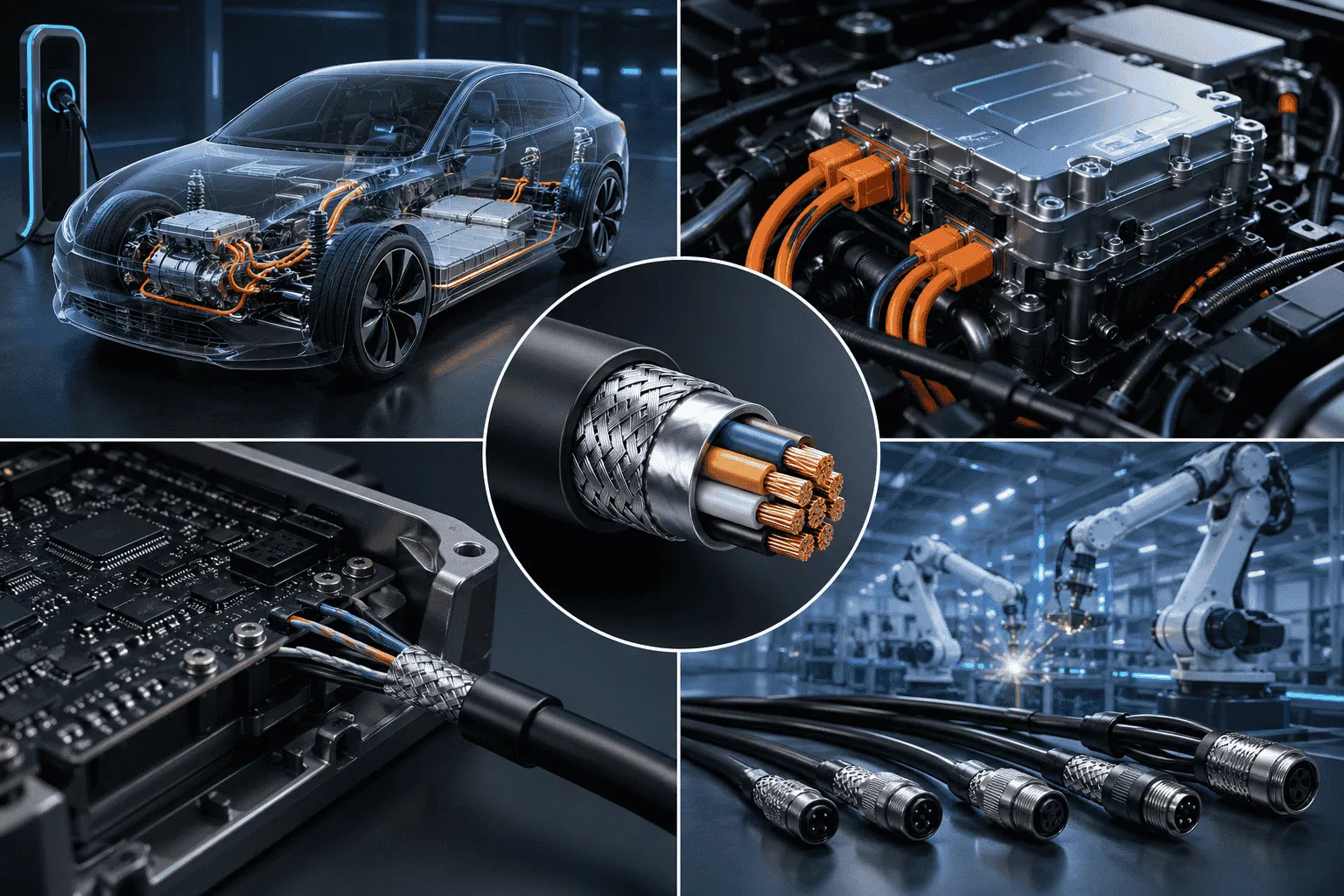
This is where the importance of shielded copper wire, copper shielded cable, and flexible copper cable becomes clear. These are not just connectors. They are critical to how well your system performs under real conditions.
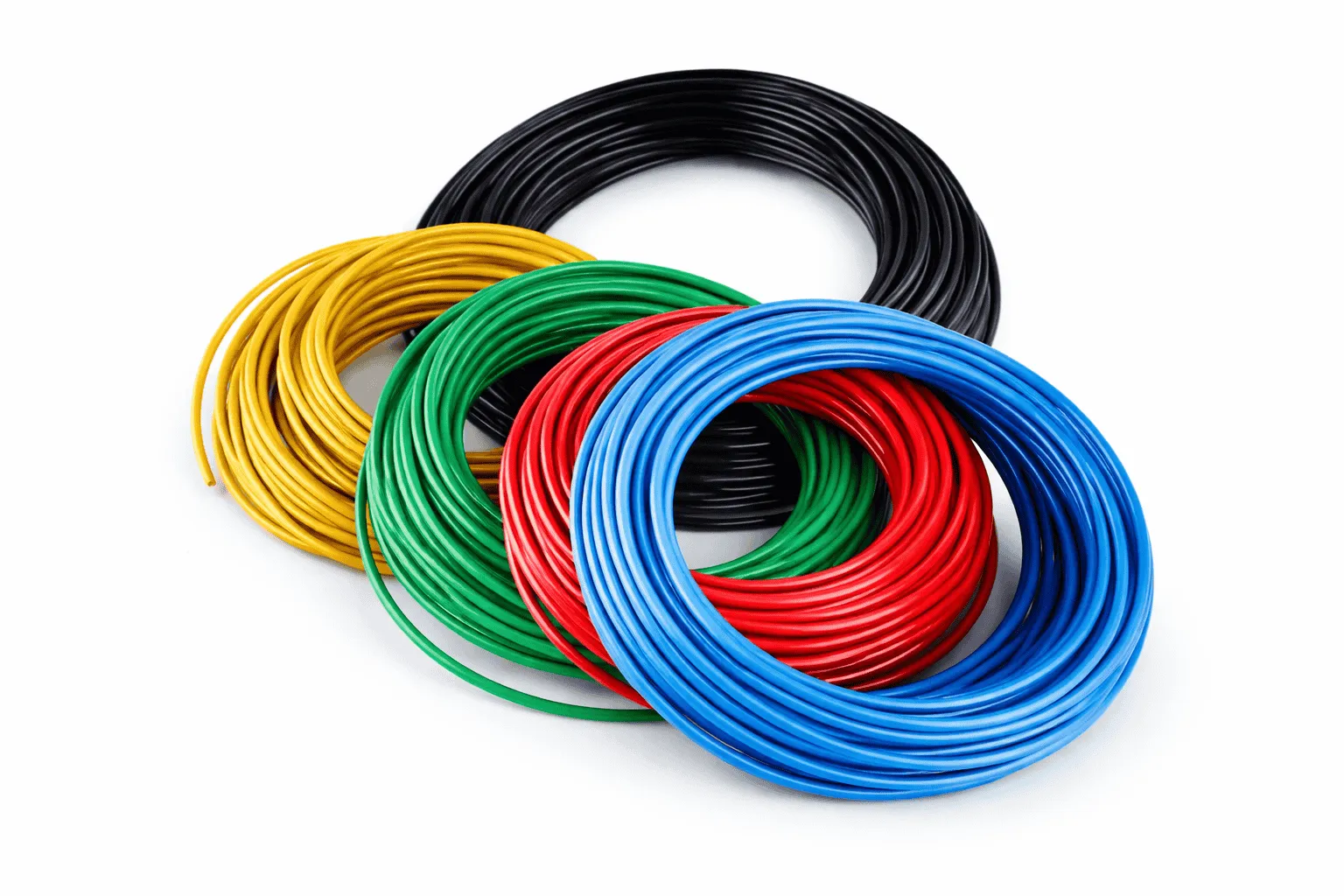
Choosing the right automotive cables manufacturer in India is no longer just about sourcing products. It is about ensuring reliability, safety, and consistent performance across every application.
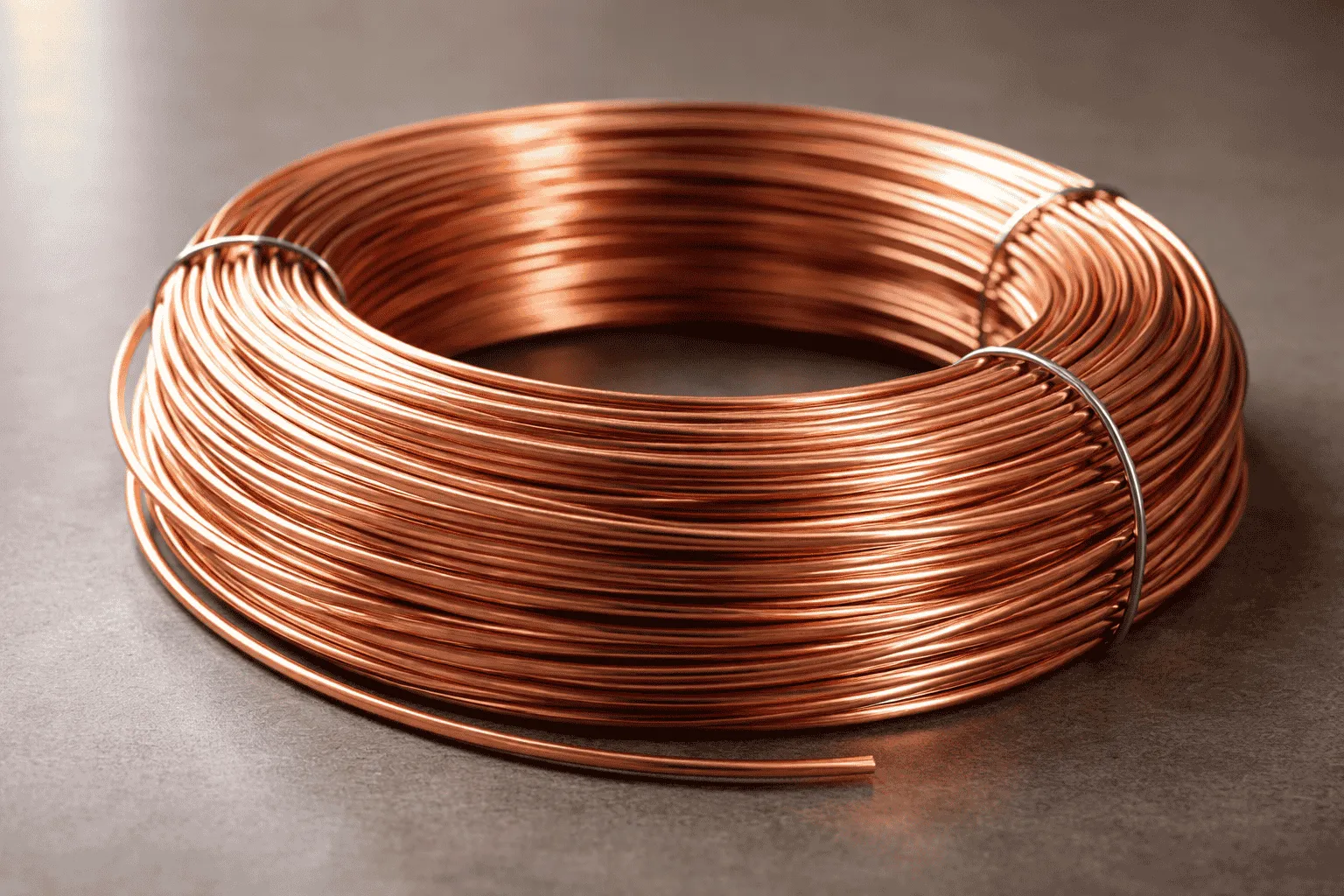
This is why working with a trusted copper wire manufacturer is not just a procurement decision. It is a performance decision.
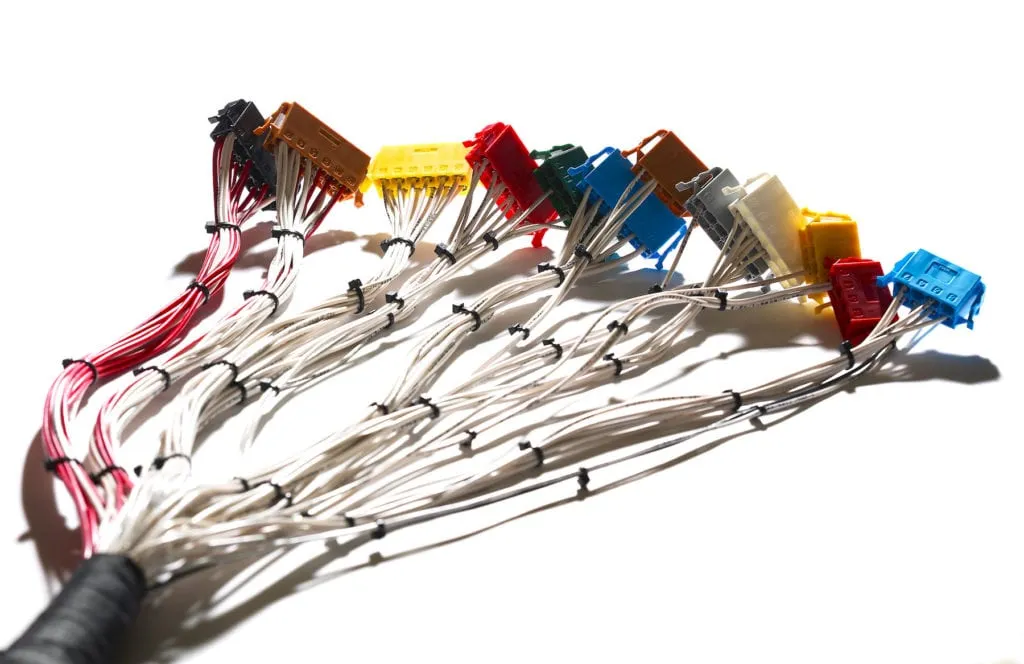
This is where automotive wiring harness manufacturers and trusted partners, like an automotive cable supplier in India, play a critical role.