

Businesses are constantly trying to stay competitive in the digital world. On the other hand, Team dynamics are changing quickly, and it's becoming more critical to track your work while understanding what other team members are working on and how the whole team is doing. With dashboards, you can get instant updates on your progress and see what everyone else is up to. The dashboard not only makes it easy to understand how projects are progressing, but it also allows business owners to share this information with stakeholders who want updates on the progress.
Agile Dashboard
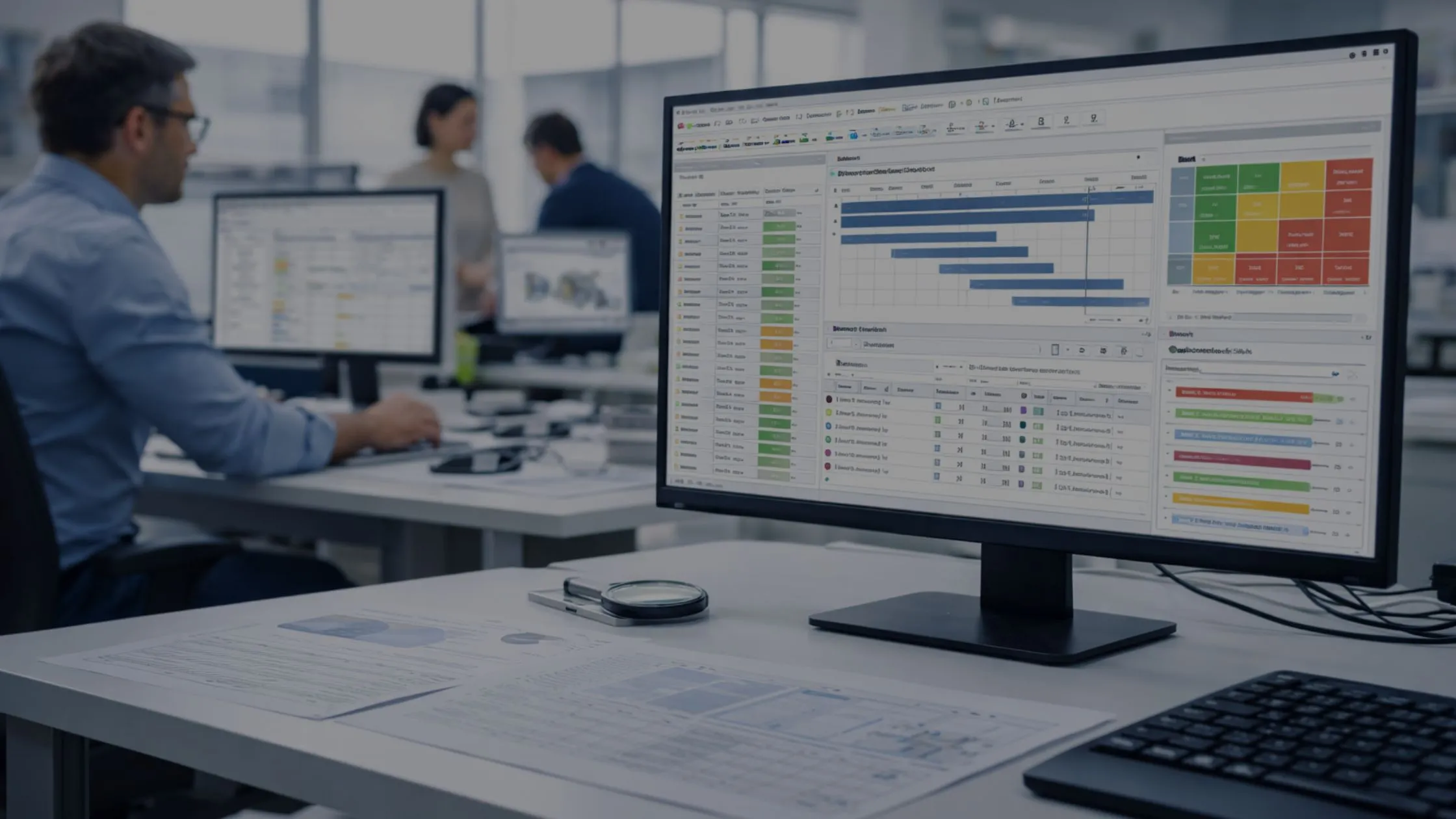
Agile dashboards provide you with detailed information about every facet of your project. These dashboards are designed to give you an easy way to see all the steps involved in your project in a visually engaging way. The Agile project dashboards present comprehensive information gathered from different teams, connected assignments, and captured automated activities. Organizations can customize the data captured to meet their specific needs and get feedback from team members on what they need.
A well-trained project manager who has a background in Agile can use an agile dashboard to take full advantage of its features and nuances. A team leader or organization executive can easily become an agile expert by attending online Agile Management courses.
The state of agile shows that 89% of high-performing agile teams have people-centric values, an evident culture, and leadership empowerment from their tools. If Agile is implemented successfully, the benefits accrue to the individuals involved and the entire organization. That is a compelling reason to invest, and businesses continue to do so. Many of the changes in Agile were driven by process. There are many project management tools, but agile dashboard tools have been created specifically to support agile methodologies like Scrum, Kanban, Scrumban, or any other elegant hybrid that meets your business's needs.
The agile Scrum methodology is by far the most popular among teams. It’s often chosen because it’s a comprehensive framework that helps teams develop their agile mindset. Roughly 56% of teams use Scrum as a standalone method, while 83% of companies will choose to use it in combination with other frameworks.
Getting a Scrum master certification helps you join the elite group of Scrum professionals who can mentor their Agile teams and lead them toward success. In addition, Scrum expertise allows you to distinguish yourself from other project managers by gaining a comprehensive understanding of Agile practices and how to implement them.
Here's a list of some tools on an agile dashboard:
ClickUpClickUp is an Agile project management tool that anyone can use, regardless of their work style. It provides an overview of tasks completed, tasks in progress, and dependencies. This ensures you can avoid bottlenecks while staying organized.
ClickUp Features:
Epic Milestones: Set up milestones along with your sprint planning. User Story Points: Understand how to improve your Agile project with this ClickAppSprint Dates: Use the Sprints ClickApp to easily manage your sprint's dates, statuses, tasks, automation and more!ClickUp Dashboards: Have all your Agile metrics like Burnup Chart, Velocity Chart and Cumulative Flow Diagrams ready for the sprint planning and review meetings ClickUp Docs: Document your engineering wiki, product backlog and sprint backlog to share it with stakeholders Template Projects (Project Templates): Save time by using pre-made project templatesCustom task statuses: Easily customize your agile workflow Goals: Set easy-to-track targets within each sprint goalTime Tracking: Monitor how long you spend on each task Integrations: Add your favourite tools like Slack, Gitlab, and Google Drive to your workspace Apps: Fully functional apps for Android, iOS, Mac, Windows, and LinuxPricing: Free to use. Plus, the paid version is $9/user per month.
JiraAtlassian Jira is one of the most well-known Agile project management tools yet it has challenges. Some people love this agile development tool because it helps them better track and organize their projects. On the other hand, others complain that they need a developer just to set up Jira! Additionally, if you want cross-functional teams to work together on your project, you'll need to set up multiple integrations with Jira.
Jira features:
Issue tracking Boards Agile Epics Bug Tracking Software Custom fields
Pricing: Free to $14 per user/per month
GitHub Project Management ToolGitHub includes many agile project management tools, making it one of the better tools for development teams. With GitHub, you'll have a private space for each team member and a public space where members of the community can come to help you improve your code. One of our favourite pieces of their software is that it integrates with many other tools so that multiple team members (from developers to product owners) can work on the same code simultaneously.
GitHub Features:
Issue trackingMentions for teamworkLabelsLink issues and pull requestsPricing: Free to $21 per user/per month
KanbanizeAgile teams, take note! This Kanban-based project management solution is the go-to option for teams looking to make their work processes more efficient. With this system, team members can structure and visualize their daily work. They can plan Scrum team initiatives and high-level projects, break them down into manageable tasks, visualize dependencies, and create multiple workflows for cross-functional teams.
Kanbanize features:
Timeline Workflow for Agile planningCustomizable Kanban boards and cards to show different user storiesKanban card links for work-breakdown structure and visualizing dependenciesBuilt-in templates for Kanban board viewsManage multiple workflows on one Kanban boardManagement workspaces for scaling Kanban across the organizationBusiness automation rulesPricing: Starting from $149/month to $179/month for 15 users
AsanaWith Asana, you can manage your team more efficiently as you integrate a variety of tools. In comparison to many other project management software solutions, this project management software is easy to use. With their drag-and-drop feature, you can move your tasks and assign work quickly. It helps agile teams stay organized in their project planning by using projects and sections, which keeps work visible and clear about who's in charge of what.
Asana features:
View your task in a Kanban board, list, or timeline viewGantt charts with timelinesAutomate common tasksCreate stories to add to your sprintPricing: Free to $30.49 per user/month
When building an Agile dashboard, many moving parts could confuse you. Here is an example of what's possible.
Burn Up ChartsBurn Up Charts keep teams on track by representing the completed and pending projects, allowing you to measure the scope and provide feedback to those trailing behind.
Business ValueThis lets you see how much backlog you have and the value of work that has been completed. There is also a past history of projects completed within a given time limit so you can compare the value points. The business value points in the Agile dashboard help prioritize your product backlog.
HighlightsThis consists of information that is relevant to the rest of your team. Topics, such as what will be discussed in today's meeting and yesterday's achievement, are just some examples.
performanceThis report shows the team's performance and accomplishments using velocity and story points.
RisksThe teams can anticipate potential jolts with a project and plan for dealing with them by making necessary and timely changes to avoid crashes, warn other team members, and reduce the impact of any risk.
SchedulesSchedules allow you to see what's been completed and where you stand with your project. It'll tell you the time allocated, the balance of time left, and how much time has already been spent on the project.
StatusStatus tells a project's status concerning different goals, risks, objectives, and other variables. This is valuable information to know at a glance and plans for future sprints and meetings.
Concluding:
So there you have it! Use the above tips and try to improvise. An agile dashboard can create wonders for your work and make it at ease. Anyone who manages projects will only improve their product with a good understanding of agile management. Skillbook Academy offers online courses to help you learn more about agile management and share what you've learned with your products by creating higher quality content and better planning, execution, and control.





















Sign in to leave a comment.