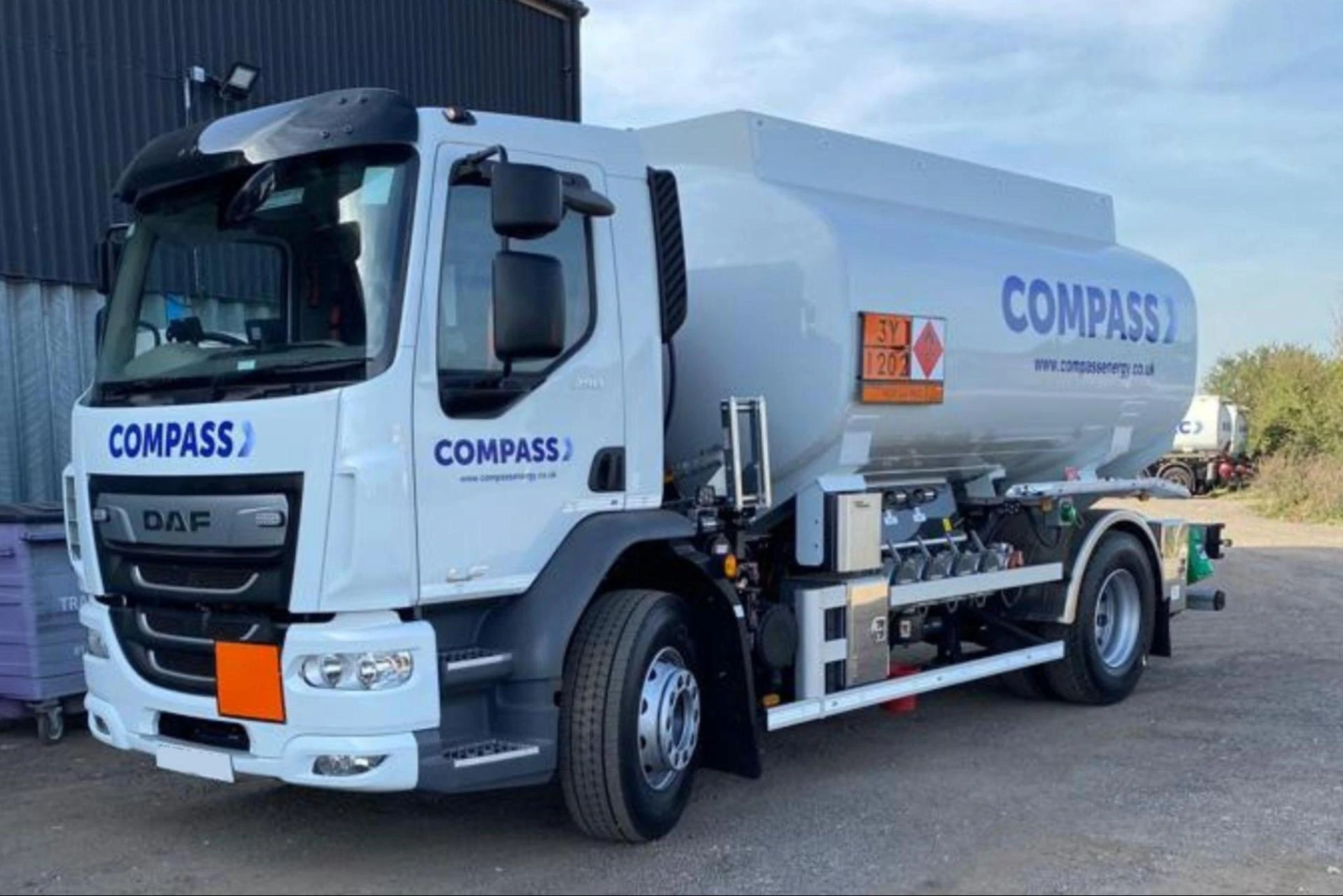

Diesel is the driving force behind modern agriculture. From tractors and combines to irrigation systems and backup generators, farm operations rely heavily on diesel-powered equipment. Behind every successful farming operation is a reliable agricultural diesel supplier—a partner that ensures farmers have access to high-quality fuel when and where it’s needed.
With increasing demands for efficiency, sustainability, and regulatory compliance, choosing the right diesel supplier is more important than ever.
What Does an Agricultural Diesel Supplier Do?
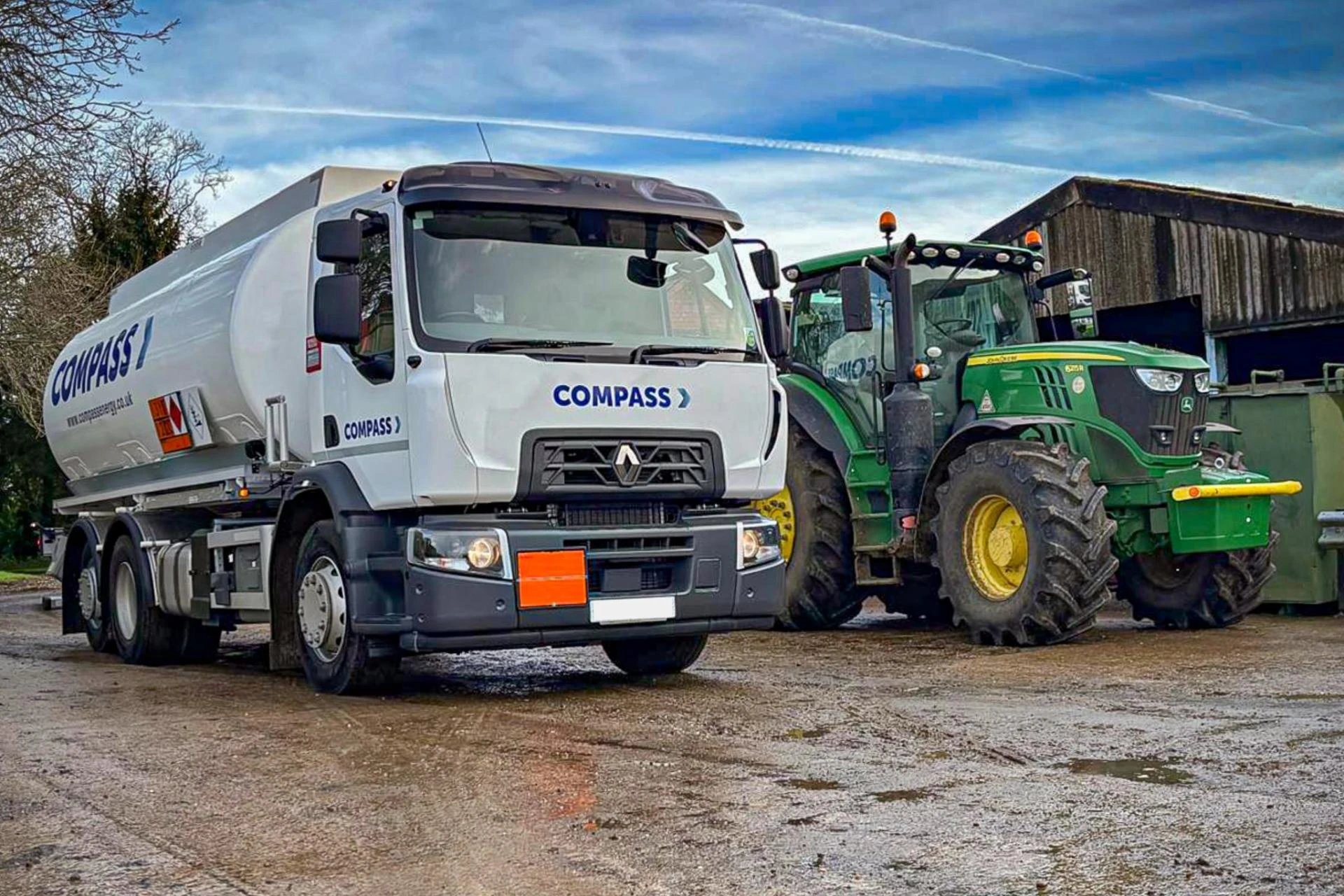
An agricultural diesel supplier specializes in the delivery and management of diesel fuel for farms and agribusinesses. These suppliers provide bulk diesel—often red diesel (gas oil)—at competitive prices and deliver it directly to farms, typically storing it in on-site tanks or mobile bowsers.
In addition to supplying fuel, many suppliers also offer value-added services such as:
- Fuel monitoring and automated top-ups
- Tank installation and maintenance
- Fuel quality testing
- Advice on compliance and environmental regulations
Whether for a small family farm or a large commercial enterprise, these suppliers ensure uninterrupted fuel supply, helping operations run smoothly all year round.
What is Red Diesel and Why is it Important in Agriculture?
Red diesel, also known as gas oil, is chemically identical to white diesel but is dyed red to indicate that it carries a lower tax rate. In many countries, it is legally restricted for use in off-road vehicles and machinery—making it ideal for agricultural use.
Red diesel powers:
- Tractors and combines
- Harvesters and balers
- Irrigation pumps
- Generators and stationary engines
- On-site utility vehicles
Because of its cost-effectiveness, red diesel is the preferred fuel for most agricultural operations. However, strict regulations apply to its use, and improper use in road vehicles can result in significant penalties.
Benefits of Working with a Dedicated Agricultural Diesel Supplier
1. Reliable Fuel Supply
Timely delivery is crucial—especially during peak planting or harvest seasons. A reputable supplier guarantees dependable service, ensuring machinery can operate without delays.
2. Cost Efficiency
Bulk diesel purchases generally offer better rates than retail options. Suppliers may also offer flexible contracts or fixed pricing to help farmers manage fuel budgets.
3. High-Quality Fuel
Contaminated or poor-quality fuel can damage expensive machinery. Leading suppliers filter and test their fuel to ensure it meets high standards and includes performance-enhancing additives when needed.
4. On-Site Fuel Management
Suppliers often install storage tanks and provide monitoring systems that help farmers track usage and schedule deliveries before fuel runs out.
5. Regulatory Compliance
Diesel storage and usage are subject to environmental and safety regulations. Experienced suppliers help farmers stay compliant with rules on tank installation, spill prevention, labeling, and reporting.
Choosing the Right Agricultural Diesel Supplier
When selecting a supplier, consider these key factors:
- Reputation and Reliability: Choose a company with a strong track record of serving the agricultural sector.
- Delivery Coverage: Ensure they can reach your farm—even in rural or remote areas—and can provide emergency or after-hours deliveries.
- Fuel Options and Quality: Ask whether they offer red diesel, bio-diesel blends, or premium-grade fuel with additives.
- Storage Solutions: Look for suppliers who can assist with installing or upgrading on-site fuel tanks.
- Customer Support: Responsive service and expert advice can be invaluable during peak seasons or unexpected fuel issues.
Many suppliers also offer online ordering, telemetry systems for fuel monitoring, and automated refill services.
Environmental Trends and Sustainable Fuel Options
As agriculture moves toward greener practices, many diesel suppliers now offer bio-diesel or low-emission fuel blends. These renewable alternatives reduce greenhouse gas emissions while maintaining compatibility with diesel engines.
While red diesel remains dominant in agriculture, government incentives and environmental targets may lead to wider adoption of cleaner fuels. A forward-thinking supplier will offer guidance on making this transition smoothly.
Safety and Storage Considerations
Fuel storage on farms must be safe, compliant, and efficient. Suppliers often provide:
- Bunded fuel tanks (double-walled for spill containment)
- Spill kits and containment trays
- Fire safety measures and warning signage
- Regular tank inspections and maintenance services
These solutions not only help prevent environmental damage but also ensure readiness for audits and inspections.
Conclusion
An agricultural diesel supplier is far more than just a fuel vendor—they are a critical partner in the success of modern farming. With reliable delivery, quality fuel, expert support, and sustainable options, the right supplier helps ensure that farm operations remain efficient, productive, and compliant.
Whether you’re managing a small mixed farm or a large-scale commercial operation, establishing a strong relationship with a reputable diesel supplier is a smart investment in the future of your business.






























Sign in to leave a comment.