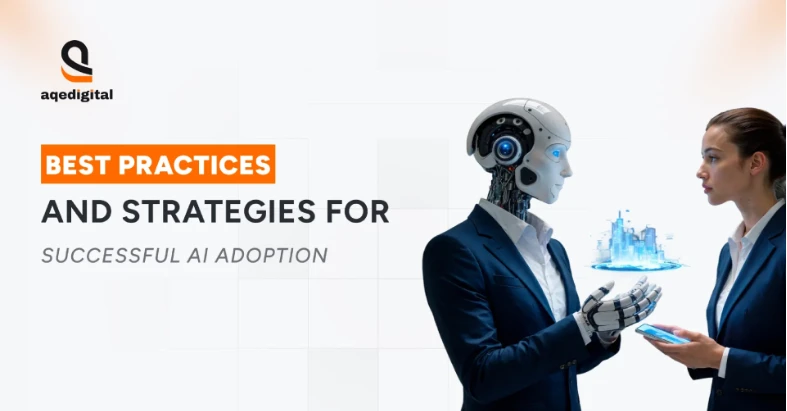

AI is not failing in companies because the technology is weak.
It fails because the strategy is unclear.
Many organizations launch AI pilots. Few scale them. The difference lies in structure, governance, and alignment with business value.
AI adoption for businesses is not a technical deployment exercise. It is a leadership decision that reshapes operations, workflows, and long-term competitiveness.
If you're evaluating where your organization stands, this guide on AI Adoption For Businesses provides a foundational overview. In this article, we go deeper into execution, scale, and ROI optimization.
Let’s break it down.
Why AI Adoption Stalls in Enterprises
Before building forward, understand where most companies struggle.
Common enterprise AI adoption challenges include:
- Pilot programs with no scaling roadmap
- AI initiatives disconnected from revenue goals
- Fragmented data ecosystems
- Lack of executive sponsorship
- Unrealistic ROI expectations
Here’s the reality: AI without business alignment becomes an expensive experiment.
Building a Scalable AI Implementation Strategy for Companies
A structured AI implementation strategy for companies follows five distinct phases.
Phase 1: Value Identification
Click here to unlock all phases: AI adoption strategy for businesses























Sign in to leave a comment.