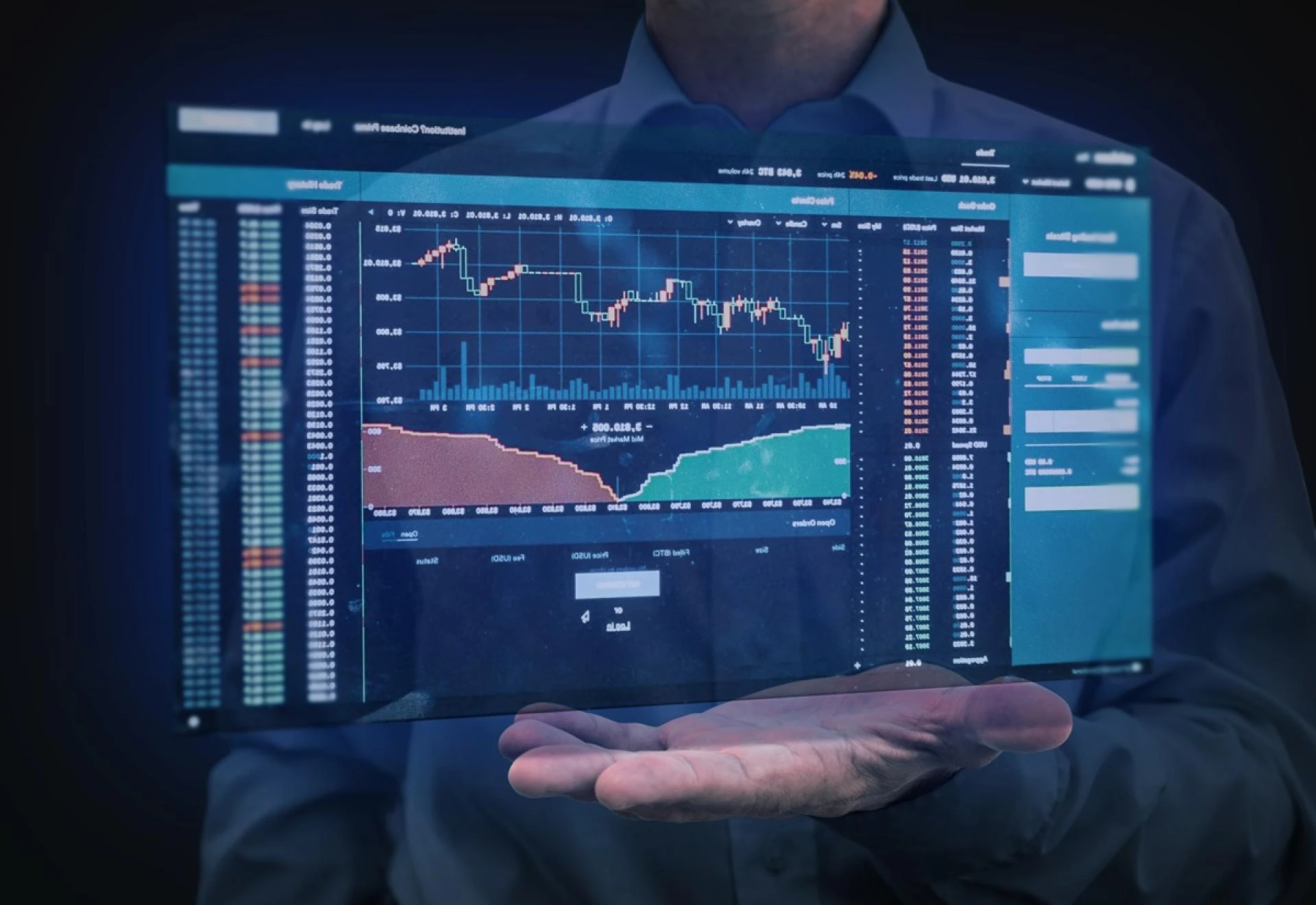

In the dynamic world of finance, staying ahead of market trends and making informed investment decisions is a perpetual challenge. As technology continues to evolve, artificial intelligence (AI) is emerging as a revolutionary force in the realm of asset trading. The advent of AI-driven asset trading platforms is changing the game, bringing unparalleled precision and efficiency to investment strategies. In this article, we will explore the transformative impact of the "AI Asset Trader," delving into how it is reshaping investment landscapes and redefining the way traders approach financial markets.
The Evolution of Asset Trading
Traditionally, asset trading has been a complex and human-driven process, involving extensive research, analysis, and decision-making. The rise of AI in asset trading marks a significant shift, introducing automation, data-driven insights, and machine learning algorithms into the investment landscape.
Understanding the AI Asset Trader
1. Data-Driven Decision Making:
AI Asset Trader leverage vast amounts of financial data to make informed decisions. These systems analyze market trends, historical data, and real-time information to identify potential opportunities and risks. The ability to process and interpret large datasets at incredible speeds gives AI Asset Traders a significant advantage in making data-driven decisions.
2. Machine Learning Algorithms:
One of the key components of AI Asset Traders is machine learning. These algorithms can adapt and learn from patterns and trends in financial markets, continuously improving their decision-making capabilities over time. As market conditions evolve, AI Asset Traders evolve with them, dynamically adjusting strategies to optimize performance.
3. Real-Time Market Analysis:
AI Asset Traders operate in real-time, providing traders with instantaneous insights into market fluctuations. This agility allows for quick responses to changing conditions, enabling traders to capitalize on opportunities or mitigate risks promptly.
4. Risk Management:
Risk is inherent in any investment strategy, but AI Asset Traders excel at risk management. These systems can assess risk factors, predict potential downsides, and implement risk mitigation strategies with a level of precision that surpasses traditional methods. This enhances the overall stability of investment portfolios.
The AI Asset Trader in Action
To better understand the impact of AI Asset Traders, let's explore a hypothetical scenario where a trader utilizes such a platform to navigate the complexities of the stock market.
Case Study: Maximizing Returns in Volatile Markets
Imagine a trader, Sarah, who is navigating a highly volatile stock market. Traditional trading methods often struggle to keep pace with rapid market fluctuations, leading to missed opportunities or unexpected losses. Sarah decides to leverage an AI Asset Trader platform to enhance her trading strategy.
Data Analysis and Pattern Recognition:
The AI Asset Trader analyzes historical data, identifies patterns, and recognizes potential trends in the stock market. It processes vast amounts of information, including market news, economic indicators, and company performance reports.Dynamic Portfolio Adjustment:
As the AI processes real-time market data, it dynamically adjusts Sarah's investment portfolio. It may decide to reallocate assets, sell underperforming stocks, or capitalize on emerging opportunities based on its analysis of current market conditions.Adaptive Strategy Execution:
The machine learning algorithms within the AI Asset Trader continuously adapt to changing market dynamics. If unexpected events or trends emerge, the platform can swiftly modify its strategy to align with the new information, ensuring a proactive and adaptive approach to trading.Risk Mitigation:
Recognizing potential risks, the AI Asset Trader employs risk mitigation strategies. It may implement stop-loss orders, diversify the portfolio, or even temporarily move funds to safer assets in response to heightened volatility.Performance Monitoring and Feedback:
Throughout the trading day, the AI Asset Trader monitors the performance of Sarah's portfolio. It provides real-time feedback, highlighting the impact of its decisions and offering insights into the rationale behind specific trades.The Future of AI Asset Trading
The emergence of AI Asset Traders is not just a trend; it represents a paradigm shift in the world of asset trading. As technology continues to advance, we can expect several key developments in the future of AI-driven investment strategies:
Greater Integration of AI in Finance:
AI Asset Traders are likely to become more integrated into financial institutions and trading platforms. Traditional asset managers and hedge funds may increasingly adopt AI-driven strategies to enhance their performance.Personalized Investment Strategies:
AI Asset Traders have the potential to offer more personalized investment strategies. By analyzing individual risk tolerance, financial goals, and market preferences, these systems can tailor investment portfolios to meet the unique needs of each investor.Ethical and Responsible AI Trading:
As AI continues to play a central role in asset trading, there will be a growing emphasis on ethical and responsible AI practices. Ensuring fairness, transparency, and compliance with regulatory standards will be paramount in the development and deployment of AI Asset Traders.Wider Range of Tradable Assets:
AI-driven platforms may expand beyond traditional stocks and bonds to include a broader range of tradable assets, such as cryptocurrencies, commodities, and alternative investments. This diversification can provide investors with more opportunities for portfolio growth.Challenges and Considerations
While the potential benefits of AI Asset Traders are immense, it's essential to acknowledge the challenges and considerations associated with their implementation:
Algorithmic Bias:
AI algorithms may inadvertently perpetuate biases present in historical data. Developers must actively work to identify and mitigate algorithmic bias to ensure fair and unbiased decision-making.Regulatory Compliance:
The use of AI in asset trading raises regulatory concerns. Compliance with financial regulations and standards is crucial to ensure the ethical and legal operation of AI Asset Traders.Cybersecurity Risks:
With the increased reliance on technology, the cybersecurity of AI Asset Traders becomes a critical consideration. Safeguarding against cyber threats is essential to protect sensitive financial information and maintain the integrity of trading platforms.Human Oversight:
While AI Asset Traders offer powerful capabilities, human oversight remains crucial. Traders should have the ability to intervene, make strategic decisions, and ensure that the AI aligns with their overall investment objectives.Conclusion
The advent of AI Asset Traders represents a monumental leap forward in the world of asset trading. As these platforms continue to evolve, they have the potential to revolutionize investment strategies, democratize access to sophisticated financial tools, and enhance the overall efficiency and effectiveness of the financial markets. While challenges and considerations exist, the trajectory is clear: the integration of artificial intelligence in asset trading is reshaping the landscape, unlocking new possibilities for traders and investors alike. The era of the AI Asset Trader is here, and its impact on the future of finance is profound.
































Sign in to leave a comment.