
If you’ve ever sat in a doctor’s office wondering how they decide on a treatment so quickly, here’s the truth: increasingly, it’s not just human experience at work—it’s Artificial Intelligence. More specifically, AI Clinical Decision Support Systems (AI-CDSS) are stepping in to transform how decisions are made in hospitals, clinics, and even rural healthcare centers.
Imagine a tireless, data-obsessed assistant who:
- Reads thousands of research papers in seconds
- Cross-checks symptoms against millions of patient records
- Highlights potential risks before they become emergencies
- Suggests personalized treatment plans based on real-world results
That’s exactly what AI-CDSS brings to the table—and why it’s becoming a must-have tool for modern healthcare providers.
What Are AI Clinical Decision Support Systems?
AI Clinical Decision Support Systems are smart, software-based assistants designed to help healthcare professionals make better, faster, and more accurate decisions. These tools analyze patient data, medical literature, lab results, and treatment protocols—all in real time—to suggest the best course of action.
Unlike traditional decision support tools, AI-powered systems learn from every new case. They’re not just following a set of preloaded rules; they’re adapting to trends, regional health data, and even individual patient needs.
How AI-CDSS Works Behind the Scenes
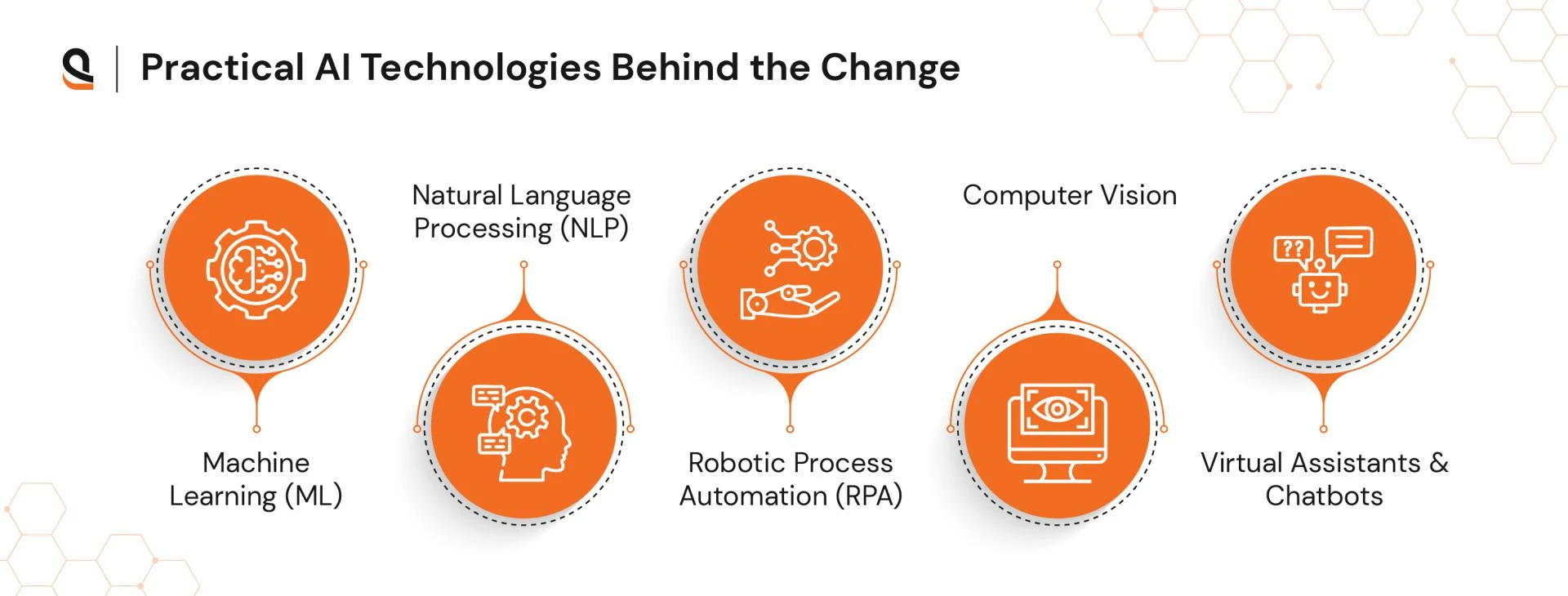
At their core, AI-CDSS platforms combine:
- Data Collection & Integration – Pulling information from electronic health records (EHRs), lab reports, medical imaging, wearable devices, and public health databases.
- Machine Learning Algorithms – Identifying patterns, predicting risks, and suggesting evidence-based treatments.
- Natural Language Processing (NLP) – Understanding clinical notes, research papers, and medical guidelines to provide context-aware insights.
- Decision Support Dashboards – Presenting recommendations in a clear, actionable format to doctors, nurses, and specialists.
The Real Benefits in Action
- Faster Diagnoses: AI can flag probable conditions based on symptoms and history within seconds.
- Reduced Errors: By cross-checking against vast databases, AI reduces the chance of missed or incorrect diagnoses.
- Personalized Treatment: Patients get recommendations tailored to their genetic profile, history, and lifestyle.
- Cost Savings: Earlier interventions mean fewer hospital admissions and reduced long-term costs.
- Better Outcomes: Data-driven care often leads to faster recovery times and improved patient satisfaction.
Real-World Use Cases
- Sepsis Detection in ICUs – AI-CDSS systems monitor vital signs and lab data in real time, alerting staff to early signs of sepsis hours before it becomes life-threatening.
- Cancer Treatment Planning – Algorithms suggest optimal treatment combinations based on tumor genetics, patient history, and global clinical trial data.
- Cardiac Risk Prediction – AI predicts which patients are at high risk for heart attacks based on EHR data, enabling preventive care.
- Medication Safety Checks – The system flags dangerous drug interactions before prescriptions are filled.
The Role of AI in the Future of Healthcare
The global AI in healthcare market is expected to grow at an explosive pace—driven by precision medicine, telehealth, and the need for cost-efficient care. Future AI-CDSS tools may integrate genomic data, environmental factors, and even real-time patient lifestyle tracking to provide a 360° view of health.
In short, AI will not replace doctors—but doctors using AI will likely replace those who don’t.
Key Takeaways
- AI-CDSS is no longer optional—it’s becoming a core part of delivering high-quality healthcare.
- The technology is improving diagnostic speed, accuracy, and personalization.
- Adoption now can mean better patient outcomes and a competitive edge in healthcare delivery.
Ready to Explore AI for Your Healthcare Organization?
If you’re looking to bring AI-powered decision support into your hospital, clinic, or healthcare network, now is the time to act. The sooner you integrate these tools, the sooner you can improve patient outcomes and operational efficiency.



























Sign in to leave a comment.