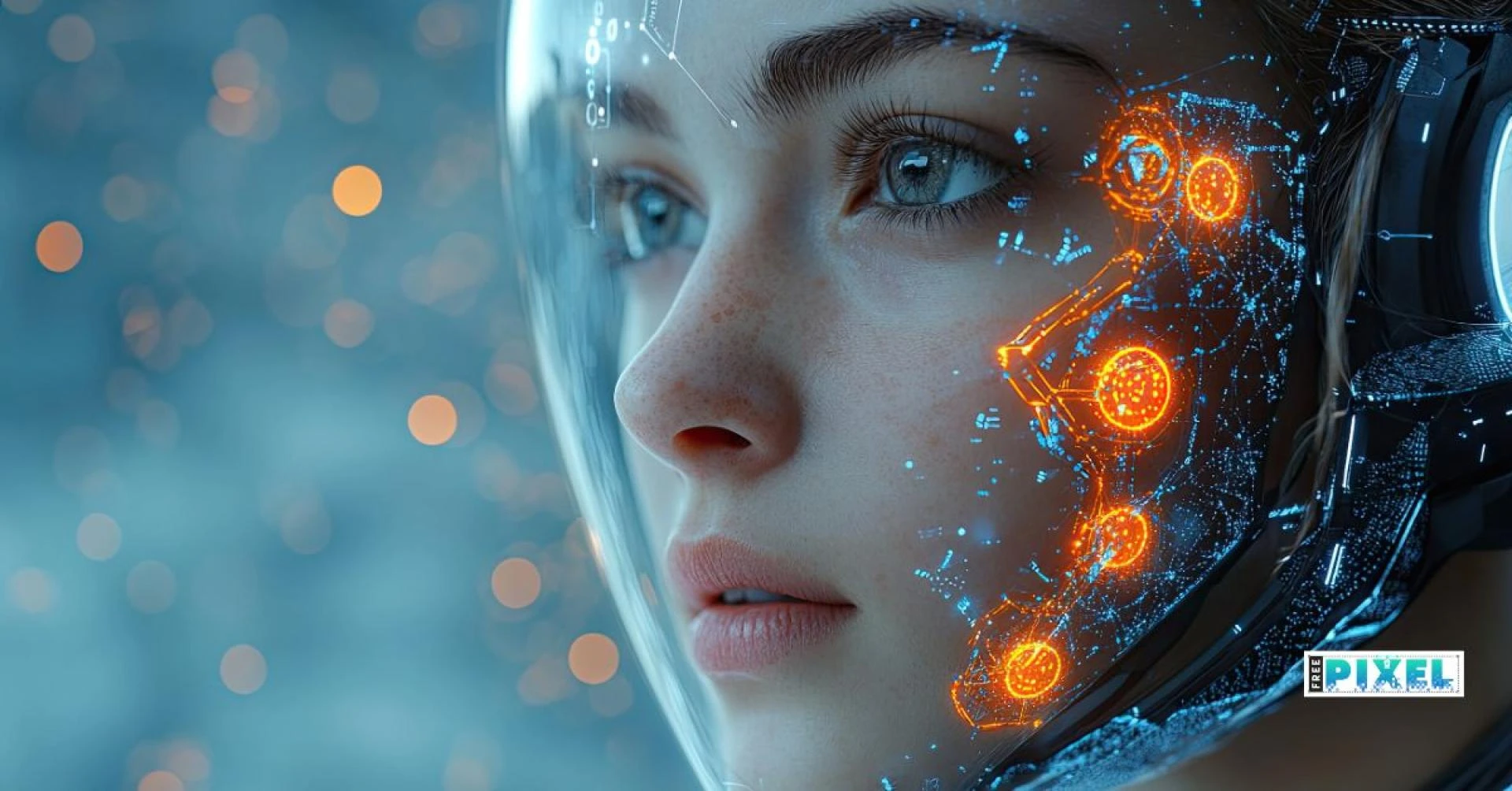
In the digital world, it's essential to use visual communication. Images are very important in getting people to notice things and communicate quickly. You can find images in blogs, on social media, in online ads and presentations. By 2026, the way that visuals are created will have changed a lot. Designers no longer just rely on cameras, designers, or stock libraries. Now, they use advanced AI image generators to turn text into visuals.
This change is changing how people, creators and businesses make visual content. With simple descriptions, ideas can now become images in seconds, making creativity faster, easier, and more flexible than ever before.
The Rise of Text-to-Image Technology
The technology that turns text into images has gotten much better in the last few years. In the past, tools for making images were basic and produced rough or abstract visuals, but modern AI systems can now generate detailed, realistic, and creative images that closely match written descriptions.
By 2026, these tools will be used widely and will no longer be considered experimental. They are used in many different industries, like making content, marketing, education and product design. The ability to translate language into images has removed many obstacles that once slowed down creative work.
How AI Image Generators Convert Text into Images
AI image generators understand both language and visual patterns. When a user types a text prompt into the system, it looks at the meaning of the words and connects them to images that it has learned through training.
The process usually follows these steps:
- The text prompt helps you understand the objects, style, mood and context.
- The AI can tell you what those elements should look like together.
- The image is created bit by bit until it looks complete.
This process happens quickly, allowing users to try out different ideas and styles without having to wait hours or days for results.
Why This Technology Matters in 2026
People want to see more visual content, but it's hard for traditional ways of making content to keep up. Businesses need more images, creators need faster workflows, and audiences expect originality.
AI-powered image generation meets these demands by offering:
- Go fast without losing your creative edge.
- It's simple to use and perfect for people who are new to design.
- You can explore ideas without spending a lot of money.
- The ability to create visuals that are not just the same as those used elsewhere.
In 2026, this technology will be more than just a convenience. It has become a key part of digital communication.
Impact on Content Creators and Bloggers
For people who write blogs and make content online, using images and videos is the best way to get people interested. Articles with images often get more clicks, people spend more time reading them, and they get shared more often.
AI image generators help creators by:
- Making images that go well with particular articles.
- Making fewer generic photos available
- Let users create their own images for every piece of content.
- Make sure that the way things look is the same on all different types of devices.
This makes it easier to publish great content regularly without getting bored.
How Marketers Use Text-to-Image Tools
In 2026, marketing will rely heavily on content that is personalised and appealing to the eye. AI image generation makes this easier by helping to produce visuals for different campaigns, audiences, and platforms.
Marketers use these tools to:
- Make campaign visuals in a short amount of time.
- Try out different creative ideas before choosing the final design.
- Keep the brand the same on all channels.
- Make images that can be used on social media, in adverts and on landing pages.
The ability to turn ideas into visuals instantly helps teams move faster and stay competitive.
Benefits for Beginners and Small Businesses
One of the biggest changes brought by AI image generators is that they are now much easier to use. You don't need to spend money on design training or expensive software to create professional-looking visuals.
This means that:
- It's cheaper to make visual content.
- We should rely less on designers from outside.
- You will have more control over your creative work.
- Get digital projects done more quickly.
This makes it fairer, because smaller teams can compete with larger brands.
Creative Freedom and Experimentation
If you want to be creative, you need to experiment. In the past, testing visual ideas took time and effort. By 2026, AI image generators will make it easy to experiment.
Creators can:
- Have a go at trying out different styles, moods and layouts.
- Come up with lots of different versions of the same idea.
- Have a look at ideas that would be difficult to create by hand.
- Make your visuals better using quick feedback.
This makes people want to create more original and expressive content on digital platforms.
Challenges and Responsible Use
But there are some problems to think about. The quality of the image depends on how clearly the ideas are described. If you are unclear, you may get unexpected results, but if you are more specific, you will get better results.
There are also wider worries about whether they are original, if they are used ethically, and if they are transparent. As technology gets better, it is important to use it in the right way and to have clear rules about how to use it.
AI image generators are most effective when they encourage human creativity rather than replacing thoughtful decision-making.
What Makes 2026 Different from Earlier Years
The biggest difference in 2026 is maturity. AI image generation is no longer just a new technology; it's a reliable creative tool. The results are more accurate, there are more styles to choose from, and it's much easier to control.
These tools now understand:
- The context and composition are better.
- The artistic and realistic styles are more accurate.
- The reason for writing the text descriptions
This makes it easier to create images from text.
The Future of Text-to-Visual Creation
In the future, AI image generators will probably become even more part of the digital workflow. They may offer more customisation, better collaboration options, and a better understanding of what users want.
As images are used more and more in online communication, it will be very useful for creators, marketers and businesses to be able to turn text into images.
Conclusion
By 2026, AI image generators will have changed the way text is turned into visual content. They make creativity faster, more flexible, and available to everyone. These tools help people communicate better in a world where images are so important.
As technology gets better, text-to-image creation will become even more important in how stories, ideas, and brands are shown visually online.
FAQs
1. How do AI image generators turn text into visuals?
They analyse written descriptions, understand visual patterns from training data, and generate images that match the text input step by step.
2. Why are AI image generators important in 2026?
They allow faster, more flexible visual creation and reduce the need for traditional design tools or stock images.
3. Can beginners use AI image generators easily?
Yes, most tools are designed for non-designers and only require simple text prompts to create visuals.
4. Are AI-generated visuals suitable for professional use?
They are widely used in marketing, blogging, presentations, and creative projects due to their speed and customisation options.
5. Do AI image generators replace designers?
No, they support creative workflows by speeding up image creation while human creativity and decision-making remain essential.




















Sign in to leave a comment.