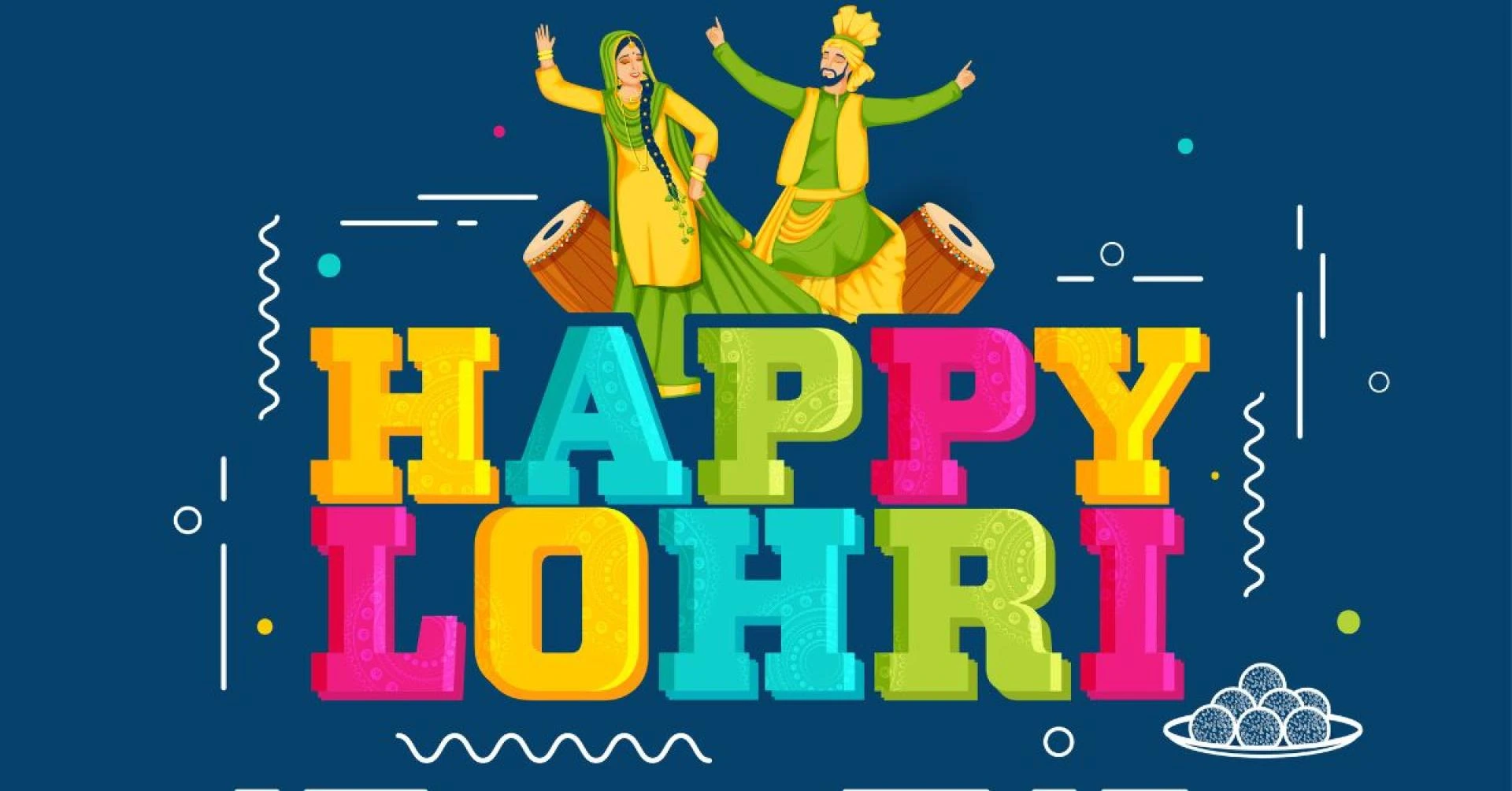

Lohri is a lively winter festival that is celebrated in northern India, especially in Punjab, Haryana, and some parts of Himachal Pradesh. It arrives with warmth, joy, music and a feeling of togetherness during the coldest time of the year. Lohri Celebrations are a time for people to look forward to longer days and to think about the new year.
Every year, people celebrate Lohri in mid-January. This festival is all about agriculture, nature, and community life. The festival honours the Sun, fire, land, and farmers, making it a celebration of both culture and the season. Lohri has changed over time, but its core beliefs have not. It is still a celebration of gratitude, joy and unity.
Festival Overview and Key Highlights
- Celebrated mainly in North India
- Marks the end of winter and the harvest season
- Bonfire rituals form the center of Lohri Celebrations
- Traditional food, folk songs, and dances are essential
- Strong focus on community bonding and gratitude
Historical and Cultural Roots of Lohri
Lohri is a festival that has been celebrated for hundreds of years. It is connected to farming traditions and folk culture. In the past, people lived in harmony with nature and celebrated the changing seasons, especially the winter solstice. Lohri is a celebration of warmth, light, and agricultural prosperity.
One of the most well-known legends connected to Lohri is about Dulla Bhatti, a folk hero from Punjab. He is famous for helping the poor and protecting women. Lohri is a festival celebrated in India. At this time of year, people sing folk songs that mention his name. This shows how storytelling keeps history alive.
Why Lohri Celebrations Are Linked to Agriculture
Farming has always been very important in the north of India, and Lohri shows this. The festival is celebrated when the rabi crops, like wheat, are nearing harvest. Farmers take this time to thank nature for their hard work.
Lohri Celebrations remind us of the importance of farmers, land, and the changing seasons. Even in modern cities, the festival continues to honour its history.
The Importance of the Lohri Bonfire
The bonfire is the most important part of Lohri. When it gets dark, families and neighbours get together round a fire in open spaces or courtyards. People throw things like peanuts, popcorn, sesame seeds and sweets onto the fire.
The fire represents warmth, protection and positive energy. Walking around the bonfire represents letting go of bad things and welcoming good things. This ritual makes Lohri Celebrations spiritually meaningful as well as joyful.
Traditional Lohri Rituals Explained
Lohri rituals are simple but meaningful. People make their homes look nice and clean before the festival. Children go from house to house singing traditional Lohri songs and receive treats in return.
There are special celebrations for newlyweds and newborn babies, as Lohri is seen as a good time for new starts. These traditions show happiness, good wishes and a sense of community.
Food Traditions During Lohri
Food plays an important role in this winter festival. The celebration is centered around seasonal, warming foods that are enjoyed around the bonfire. Popular items include peanuts, gajak, rewri, popcorn, and sweets made with jaggery.
These foods reflect what is grown and harvested during the winter season. Sharing them with family, friends, and neighbors represents generosity, togetherness, and gratitude, which are central values of the celebration.
Folk Music and Dance During Lohri
Music and dance are the most important parts of Lohri. Folk songs tell stories about things like harvests, nature and heroes. There will be two types of dance: Bhangra and Gidda. These dances will make the celebration exciting and full of rhythm.
These performances show happiness and cultural pride, making Lohri Celebrations lively and unforgettable.
Community Bonding Through Lohri Celebrations
Lohri is a festival for the whole community, not just one family. Neighbours get together, share food, sing and celebrate as one group.
Lohri is a festival that encourages people to socialise and be generous. Lohri Celebrations remind people that being happy is better when you share it with other people.
Regional Variations of Lohri
Lohri is mainly celebrated in Punjab, but similar festivals take place in Haryana, Himachal Pradesh and nearby regions. Each area has its own local songs and customs.
In urban areas, people celebrate Lohri at housing societies, schools and offices. In rural areas, people continue to have big outdoor gatherings connected to farming.
Spiritual Meaning of Lohri Celebrations
Lohri is a festival that celebrates the natural world and shows gratitude for it. Fire, Sun, land, and harvest are honoured with rituals and offerings.
Many people use this time to think about the past and plan for the future. The festival encourages people to be more aware of the present moment and to appreciate the simple things in life.
Lohri in Modern Times
The way we celebrate Lohri has changed because of modern life, but the most important things about it have not changed. Apartments, offices and schools organise events that keep traditions alive.
Social media, photography, and visual storytelling often supported by platforms like FreePixel stock images help younger generations connect with cultural celebrations.
Why Lohri Celebrations Still Matter Today
In today's fast-paced world, Lohri encourages people to slow down and reconnect with nature and community. It shows how important it is to have balance with the seasons, to be grateful, and to know where you come from.
The festival shows that tradition and modern life can exist together, and that the lessons it offers are still relevant today.
Conclusion
Lohri is more than just a winter festival. It is a celebration of warmth, gratitude, and unity. Lohri Celebrations are all about getting together with nature and other people. They are fun and involve things like bonfires, food, folk music, and sharing happiness.
Learning about its meaning and traditions helps us understand why Lohri is still such an important cultural festival today. It reminds us that it's more meaningful to make progress when we are grateful and working together.
Frequently Asked Questions
What are Lohri Celebrations known for?
Lohri Celebrations are known for bonfires, traditional food, folk music, and community gatherings.
Why is Lohri celebrated in January?
Lohri marks the seasonal shift toward longer days and the harvest cycle of winter crops.
What food is traditionally eaten during Lohri?
Peanuts, gajak, rewri, popcorn, and jaggery-based sweets are commonly enjoyed.
Is Lohri only celebrated in Punjab?
While Punjab is the main region, Lohri is also celebrated in Haryana, Himachal Pradesh, and nearby areas.
Why is Lohri important today?
Lohri promotes gratitude, cultural awareness, and community bonding in modern life.




























Sign in to leave a comment.