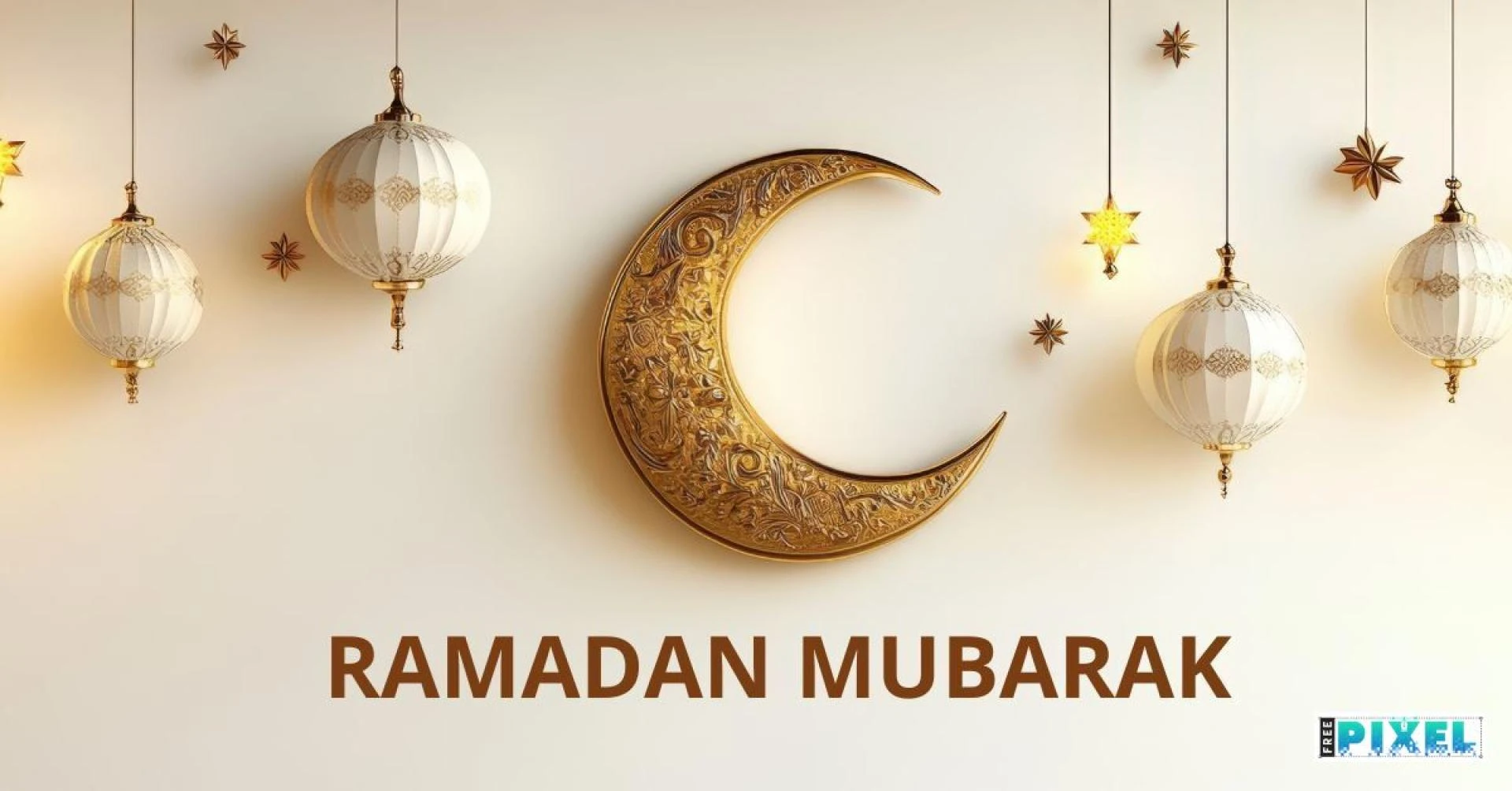

Ramadan is one of the most sacred months in Islam. It is observed by millions of Muslims around the world. Ramadan 2026 is expected to begin on the evening of Tuesday, 17 February 2026, and end on the evening of Thursday, 19 March 2026, depending on when the moon is seen. During this holy month, Muslims focus on fasting, prayer, reflection, and compassion.
The spiritual importance of Ramadan 2026 is more than just not eating and drinking. It is a time to strengthen your faith, practice self-discipline, and build a deeper connection with God.
Quick Overview
- Ramadan 2026 is expected to begin on the evening of 17 February and end on 19 March
- The holy month focuses on fasting, prayer, reflection, and self-discipline
- Daily routines include Suhoor, fasting from dawn to sunset, and Iftar
- Charity and community support play a major role throughout the month
- Eid al-Fitr marks the end of Ramadan with prayers and celebrations
When Is Ramadan 2026?
Based on lunar calendar calculations, Ramadan 2026 is likely to start on the evening of 17 February and conclude on 19 March. The Islamic calendar is based on the moon cycle, so the dates can vary a little from country to country.
The start of Ramadan 2026 will be confirmed by local moon sightings, which means some regions may begin fasting a day earlier or later.
What Is the Significance of Ramadan?
Ramadan is a time for Muslims to remember the revelation of the Quran to Prophet Muhammad. During this holy month, Muslims spend more time reading the Quran, praying, and seeking forgiveness. These spiritual practices help believers to strengthen their faith and learn self-discipline.
Fasting from sunrise to sunset is one of the most important parts of Islam, so Ramadan 2026 is a special time for Muslims to grow spiritually and think about their lives.
Fasting Rules During Ramadan
During the holy month of Ramadan, Muslims fast from sunrise to sunset, meaning they do not eat, drink, or do anything else that they would normally do. Every evening, they have a meal together, often with their family or the wider community.
During Ramadan 2026, children, elderly people, travellers, pregnant women and people with health problems do not have to fast, but many choose to fast later to make up for missed days.
Daily Practices Observed in Ramadan
During Ramadan 2026, people's daily routines will change a lot. Muslims wake up early for Suhoor, fast all day, and have Iftar (a special dinner) after sunset, which makes them feel close to each other.
Special night prayers known as Taraweeh are offered in mosques, adding to the spiritual atmosphere of the holy month.
How Ramadan Is Observed Around the World
Ramadan 2026:
The core religious practices will be the same everywhere, but cultural traditions will vary from region to region. In the Middle East, it is common for large groups of people to share iftar, which is the evening meal that breaks the fast during Ramadan. In South Asia, homes are filled with traditional dishes and sweets.
In Western countries, Muslims often have to balance fasting with work and school during Ramadan 2026. They often get a lot of support from their community.
Charity and Giving During Ramadan
Charity is a big part of what we do all month. Muslims are encouraged to give Zakat, which is obligatory, and Sadaqah, which is voluntary, to support those in need.
During Ramadan 2026, people are especially encouraged to be kind and generous, which helps to promote empathy, compassion, and social responsibility.
The End of Ramadan and Eid Celebration
The end of Ramadan is celebrated with Eid al-Fitr. This happy event includes special prayers, festive meals, new clothes, and time spent with family and friends.
Eid al-Fitr celebrates the end of Ramadan and is a time for reflection.
Final Thought
Ramadan is a time for faith, patience and unity. Ramadan 2026 is a time when Muslims all over the world stop, think, and get closer to their religious beliefs. It also helps families and communities get closer together.
Source & Reference
This blog references information related to Ramadan 2026 as published on the FreePixel website. The details used for dates, significance, and observance are based on content available through FreePixel’s official blog resources.
FAQs
1. When will Ramadan begin and end in 2026?
It is expected to begin on the evening of 17 February and end on 19 March, depending on moon sighting.
2. Why is Ramadan important for Muslims?
It marks the revelation of the Quran and is a time for fasting, prayer, self-reflection, and spiritual growth.
3. Who is exempt from fasting during Ramadan?
Children, elderly people, travelers, pregnant women, and those with medical conditions are exempt.
4. How is Ramadan observed around the world?
While fasting and prayer are universal, cultural traditions, food, and community practices vary by region.
5. What happens at the end of Ramadan?
The month concludes with Eid al-Fitr, a celebration marked by prayers, charity, and family gatherings.






















Sign in to leave a comment.