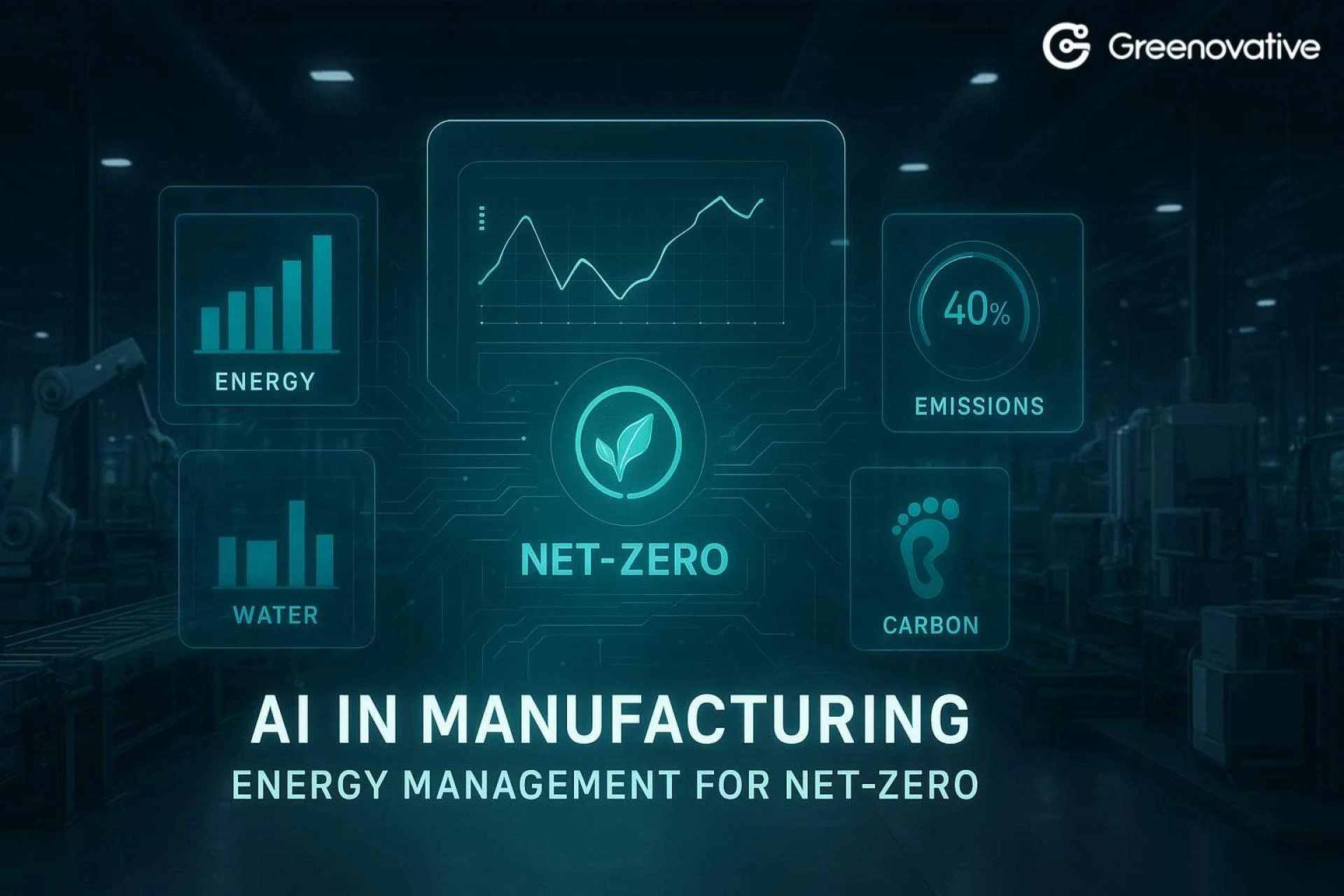

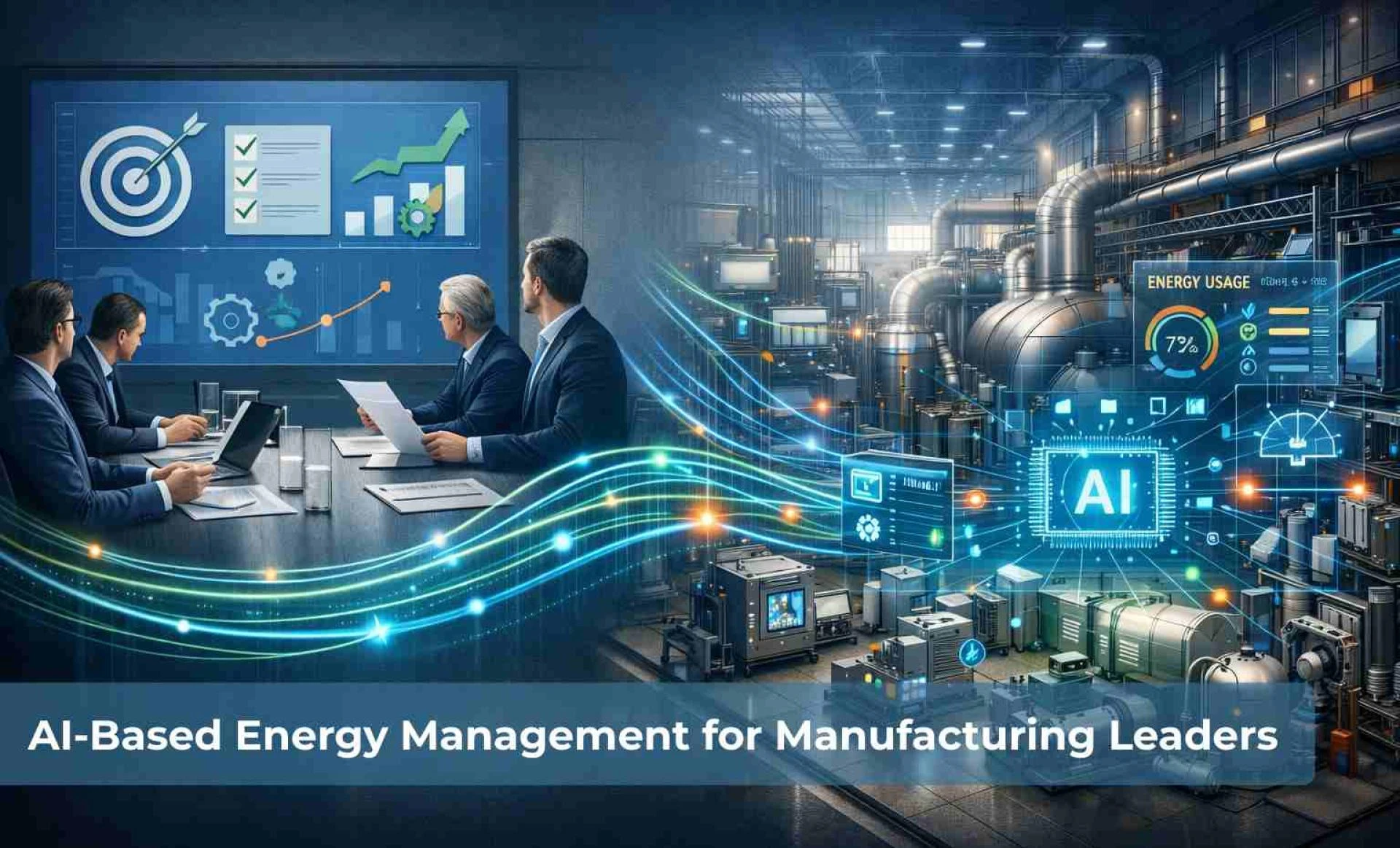
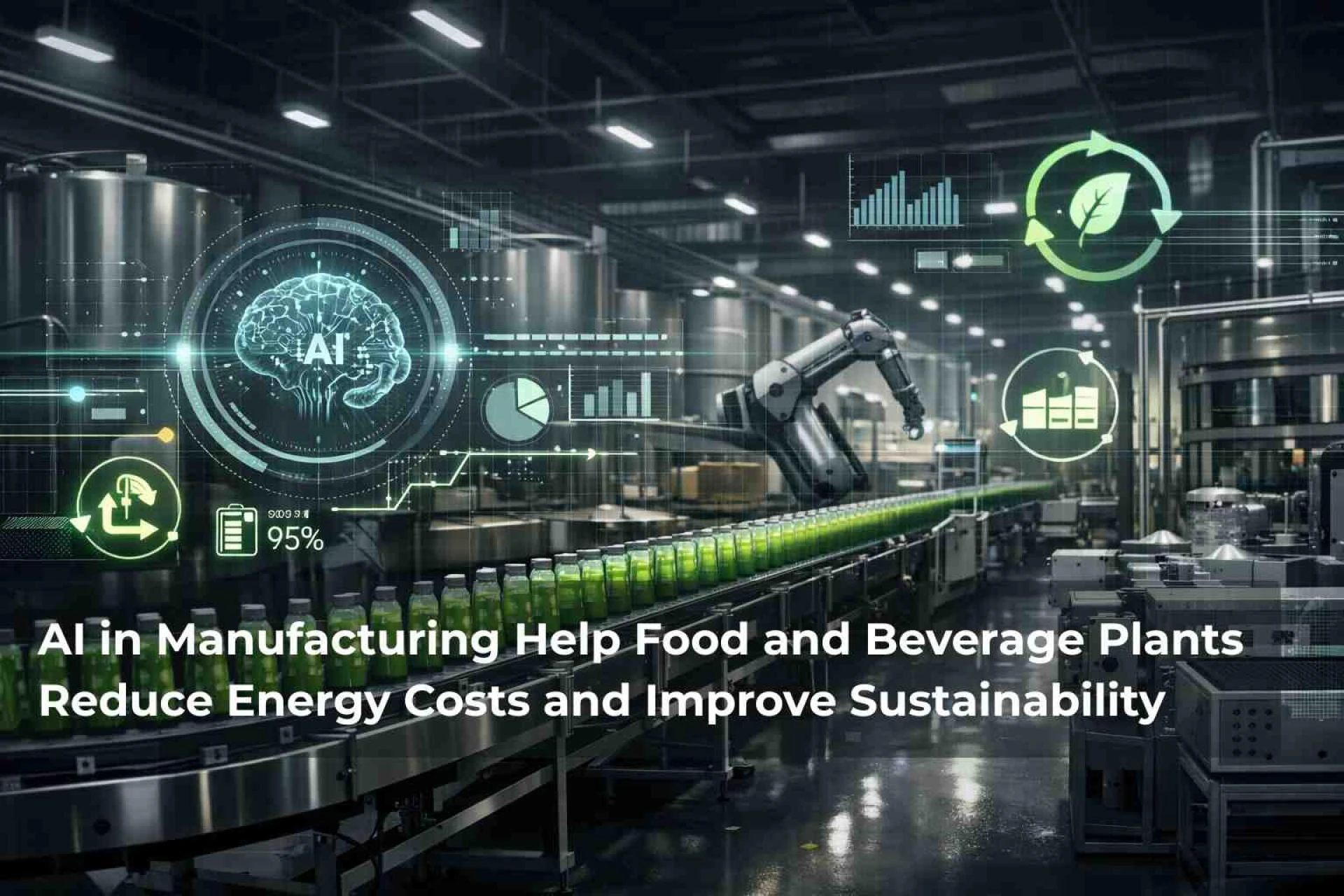
In this blog, we explore how modern manufacturers are using AI in manufacturing to complement human intuition, unlock smart manufacturing efficiencies, implement an advanced energy management system and accelerate the transition toward net-zero and sustainability goals.
In the manufacturing world today, human experience and instinct still matter. But when you’re juggling thousands of sensors, dynamic production schedules and tight sustainability targets, intuition alone falls short. That’s where AI in manufacturing steps in, turning raw data into insight, and insight into action.
The Limits of Pure Intuition
Human operators bring deep, practical knowledge of the plant floor: what works, what doesn’t, what needs fixing. But there are three big gaps:
- Limited data bandwidth: An engineer might track a dozen variables. But a modern plant throws off thousands.
- Memory and precedent bias: “This issue happened last summer” may no longer apply when new machines, tariffs or load profiles are in play.
- Blind spots & unquantified cost: Why is energy consumption creeping up? Is it idle baseload, reactive power drag or minor leaks? Intuition can suspect something, but rarely quantify the cost or propose the most impactful fix.
When the data gets dense, these gaps translate into wasted energy, excessive emissions and missed opportunity.
How AI Extends Intuition
Think of AI not as replacement, but as augmentation. With an energy management system powered by artificial intelligence, manufacturers gain:
- Continuous, real-time scanning of plant data: meters, water, electricity, SCADA, EMS feed in thousands of data points.
- Contextual pattern recognition: The system learns what “normal” looks like for your line, your machine, your plant, and then flags what doesn’t fit.
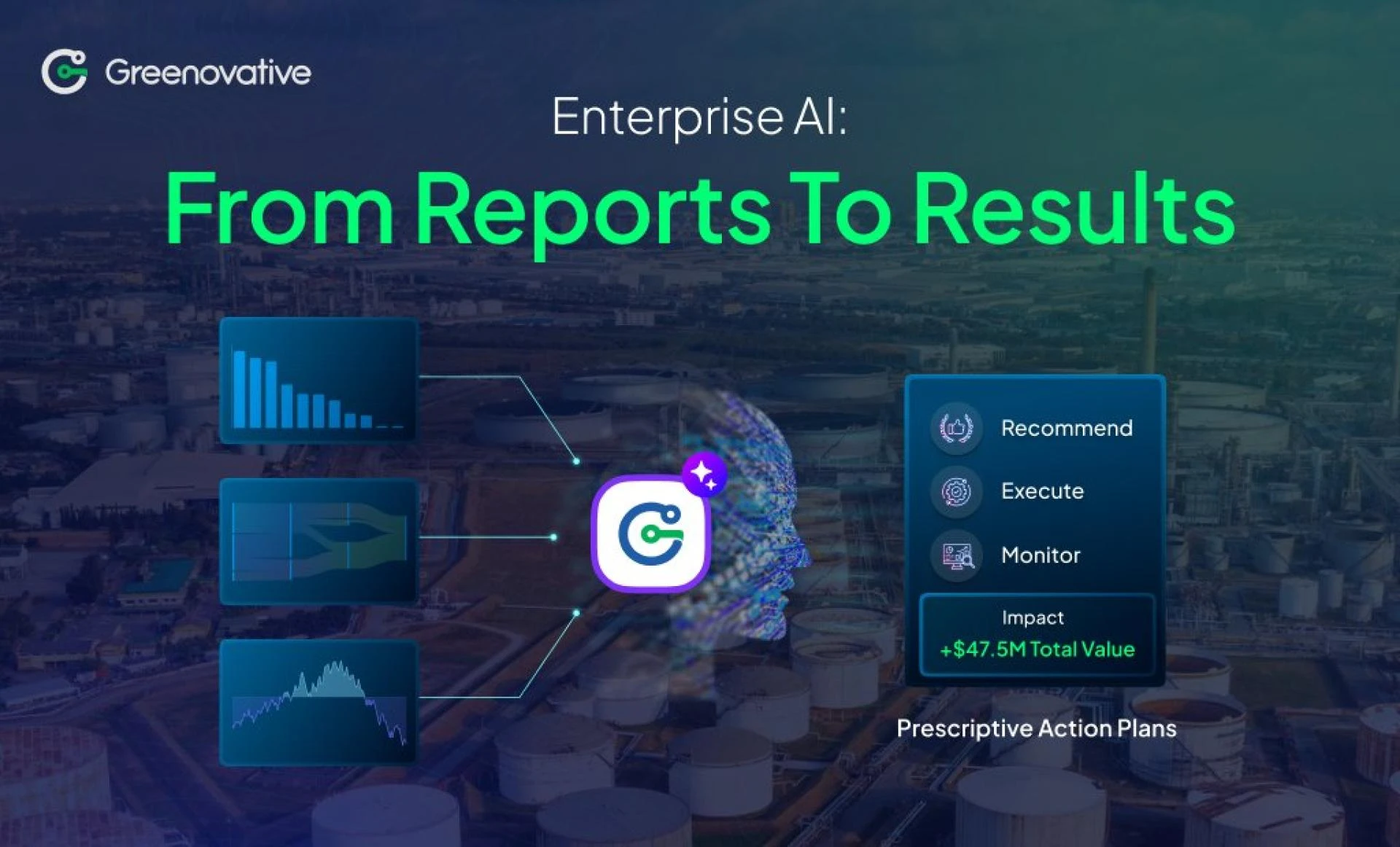
- Prescriptive, actionable insights: Not just “your energy consumption is up”, but “idle equipment in shift B added 12 % more kWh, schedule it off-shift and cut cost by 8 %”.
- Smart manufacturing at its heart: When you combine machine learning models with your production logic, you automate decisions that improve both sustainability and productivity.
Real-World Impact: Net-Zero Solution in Action
Let’s say a factory noticed its Specific Energy Consumption (SEC) had crept up. At first glance, it seemed linked to increased output. But the AI model looked deeper. It found that equipment during off-shift hours wasn’t shutting down fully, and baseload consumption was rising. The recommendation: implement a shut-down sequence, balance loads across machines and turn off idle assets during non-production hours. Result: ~8 % energy cost reduction, with zero CAPEX.
That’s the power of smart manufacturing + AI + sustainability thinking combined.
Why This Matters for Strategy & Sustainability Leaders
- Cost leverage: An 8 % SEC drop in a high-energy process flows directly to the P&L.
- Risk control: Visibility into emissions and non-compliance (Scope 1, 2, and upstream) gives CFOs peace of mind.
- Sustainability ROI: Instead of seeing decarbonisation as a compliance cost, you turn it into a metric linked to productivity.
- Competitive edge: The factories that apply AI and smart manufacturing get ahead, not just in cost, but in speed, quality and brand sustainability.
From Instinct to Data-Backed Action
Human intuition remains invaluable, it brings context, creativity and on-the-floor insight. But when you combine it with AI, you get something stronger: continuous, quantified, and cost-linked. Every hidden inefficiency becomes a measurable opportunity; every decision becomes data-backed.
If rising SEC, unexplained utility bills or untracked water leaks still feel like “normal plant drift”, it’s time to let AI show you the numbers behind your intuition.
























Sign in to leave a comment.