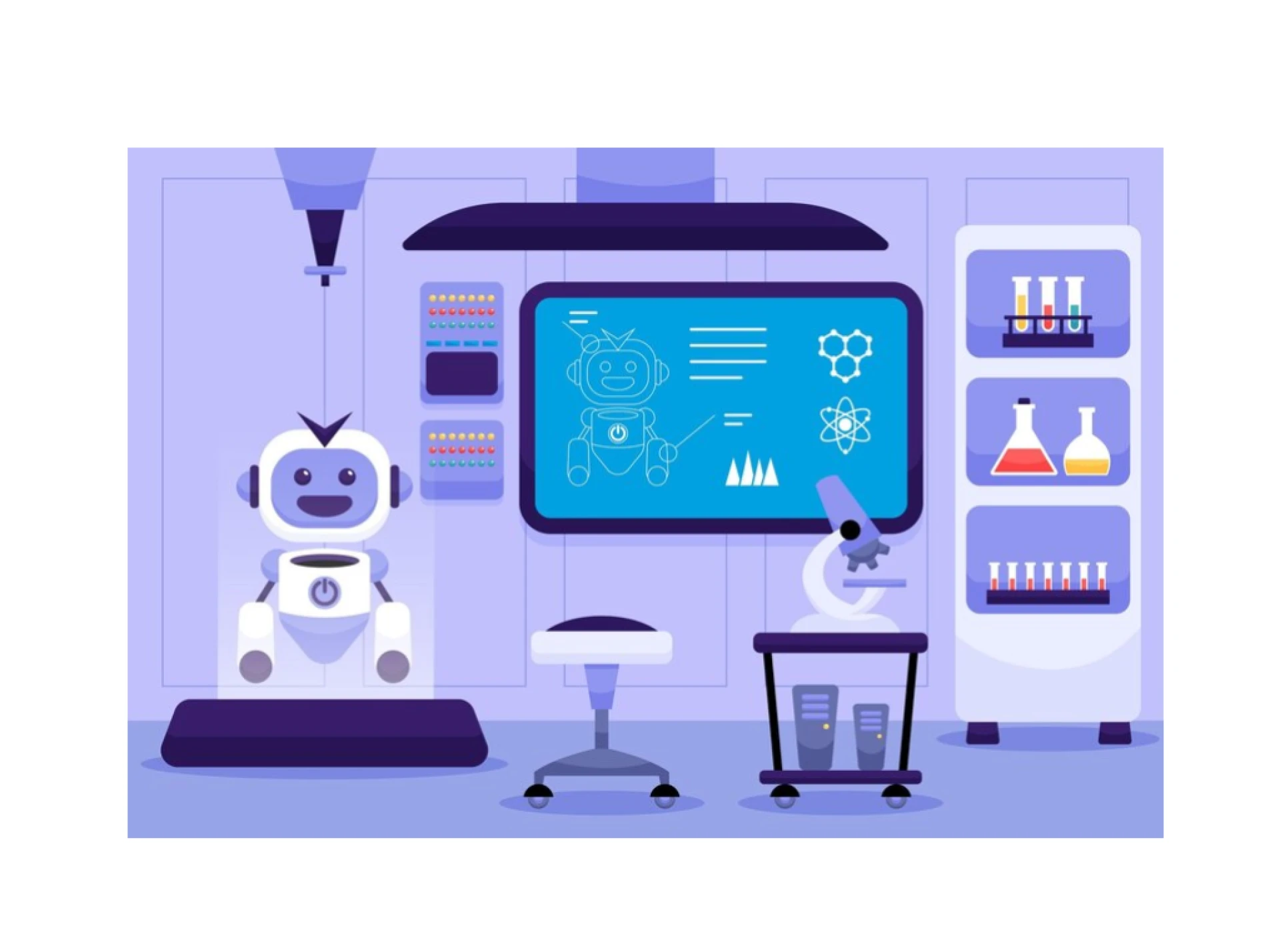

The pharmaceutical industry is under constant pressure to innovate, reduce costs, and bring lifesaving medications to market faster. However, traditional drug discovery and development processes are resource-intensive, time-consuming, and fraught with complexities. Enter AI in pharmaceutical industry, a cutting-edge frontier that leverages big data, machine learning, and predictive analytics to revolutionize everything from drug discovery to clinical trials and post-market surveillance. In this article, we will explore how AI is reshaping the pharmaceutical landscape, the benefits and challenges of adopting these technologies, and the future it promises for patients and healthcare providers alike.
1. The Rise of AI in Pharmaceutical Research
The pharmaceutical sector is increasingly turning to artificial intelligence (AI) to handle the massive amounts of data generated during research and development. AI algorithms can process and analyze millions of data points, including chemical structures, genetic profiles, and clinical records, in a fraction of the time it would take human experts.
This capability addresses one of the most pressing issues in the drug development pipeline: efficiency. Identifying viable compounds and accurately predicting their effects are critical steps in creating effective medications. By automating these labor-intensive tasks, AI not only speeds up the process but also reduces the likelihood of human error.
2. Accelerating Drug Discovery and Development
a) Target Identification and Validation
In the early stages of drug discovery, scientists must pinpoint the biological targets—proteins, genes, or pathways—responsible for disease progression. AI algorithms, trained on large sets of genomic and proteomic data, can highlight these targets more quickly and accurately than manual methods. This leads to a shorter list of viable candidates and a more focused research agenda.
b) Compound Screening
High-throughput screening of chemical libraries involves testing thousands or even millions of compounds to find those with the most therapeutic promise. AI-powered virtual screening uses computational models to predict which compounds are likely to bind effectively with a target. This drastically reduces the number of compounds requiring physical testing, saving both time and resources.
c) Predictive Modeling for Efficacy and Toxicity
Traditional drug development faces high attrition rates, often because late-stage failures reveal unforeseen toxicity or insufficient efficacy. AI-driven predictive models can flag potential safety risks and efficacy issues early on, guiding researchers toward more promising compounds. By identifying red flags sooner, pharmaceutical companies can mitigate the risk of expensive clinical trial failures.
3. Streamlining Clinical Trials
a) Patient Recruitment and Engagement
One of the most significant bottlenecks in clinical trials is recruiting eligible patients. AI tools that analyze electronic health records and demographic data can swiftly identify suitable participants based on inclusion and exclusion criteria. This not only expedites enrollment but also ensures a more representative sample of patients, making the trial data more robust and applicable.
b) Adaptive Trial Designs
Clinical trials are generally rigid in structure, but AI can enable adaptive trial designs. By continuously analyzing incoming data, algorithms can refine the study protocol in real time—for instance, adjusting dosage or targeting different patient subgroups. This level of flexibility increases the likelihood of meaningful, timely results while minimizing risks for participants.
c) Real-Time Monitoring
Patient safety is paramount in clinical trials. AI-driven monitoring systems can detect subtle changes in patient data—such as vital signs, lab results, or digital biomarkers—alerting clinicians to potential adverse events before they escalate. This proactive approach reduces trial dropouts, preserves study integrity, and ultimately improves patient outcomes.
4. Enhancing Manufacturing and Supply Chain Management
a) Predictive Maintenance
Pharmaceutical manufacturing equipment must operate under strict conditions to maintain product quality and compliance with regulations. AI’s predictive analytics can monitor machine performance in real time, flagging any anomalies or potential breakdowns. This allows manufacturers to schedule maintenance proactively, reducing downtime and avoiding costly production halts.
b) Quality Control
Ensuring the quality and consistency of pharmaceuticals is non-negotiable. AI-based systems can analyze production line data—like temperature logs, chemical composition, and packaging metrics—to spot deviations that could compromise product quality. Early detection leads to quicker resolutions, safeguarding both consumer safety and the company’s reputation.
c) Demand Forecasting
Global healthcare markets can be volatile, with sudden surges in demand due to outbreaks, seasonal trends, or other unpredictable factors. AI algorithms excel at analyzing historical sales data, real-time market information, and epidemiological trends to forecast demand. This helps supply chain managers maintain optimal inventory levels and minimize wastage due to overproduction.
5. Transforming Pharmacovigilance and Post-Market Surveillance
The responsibility of pharmaceutical companies doesn’t end once a drug hits the market. Monitoring adverse events and safety signals is critical, and AI is redefining this domain:
- Signal Detection and Monitoring: Using natural language processing, AI can scan social media, scientific publications, and regulatory databases to detect mentions of adverse events. This real-time signal detection allows for swift intervention, such as updating warning labels or revising dosage guidelines.
- Patient-Reported Outcomes: Digital platforms enable patients to share experiences with medications—ranging from side effects to overall effectiveness. AI tools can parse these patient-reported outcomes, providing valuable feedback that can guide further research and product improvements.
- Personalized Safety Protocols: By analyzing genetic, lifestyle, and demographic factors, AI can predict which patient groups are at higher risk for side effects. This paves the way for more personalized medication strategies and fosters a culture of proactive risk management.
6. Challenges and Ethical Considerations
Despite the transformative potential of AI in pharmaceutical industry, several challenges must be addressed:
- Data Quality and Privacy: AI models depend on high-quality data, which can be scarce or fragmented. Compliance with data protection regulations, like GDPR or HIPAA, is critical to safeguard patient confidentiality.
- Algorithmic Bias: If training data lacks diversity, AI models may be biased, leading to skewed results or even unethical outcomes. Continuous validation and recalibration of these models is essential.
- Regulatory Frameworks: Regulatory bodies, including the FDA, are still adapting guidelines to accommodate AI-driven solutions. Companies must navigate evolving standards to ensure compliance and public trust.
- Talent and Infrastructure: Implementing AI systems requires specialized skills and robust technological infrastructure—both of which can be costly. Smaller companies may struggle to keep up with larger competitors.
7. The Future of AI in the Pharmaceutical Industry
Looking ahead, AI’s role in drug discovery and patient care will only grow. Machine learning platforms will become increasingly adept at interpreting complex biological data, fueling breakthroughs in precision medicine and genomics. The industry may move toward decentralized clinical trials, where AI supports remote patient monitoring and real-time data capture. Meanwhile, AI-driven digital twins—virtual simulations of human organs—could revolutionize toxicity testing and personalized therapy plans.
Ultimately, a collaborative ecosystem is key. Partnerships among pharmaceutical giants, tech startups, academic institutions, and regulatory bodies will drive innovation while ensuring patient safety. By navigating the ethical and logistical hurdles responsibly, the industry stands poised to deliver treatments faster, cheaper, and with greater precision, significantly improving global healthcare outcomes.
8. Conclusion
From early drug discovery to post-market surveillance, AI in pharmaceutical industry is reshaping how medications are developed, tested, and monitored. Its ability to parse vast datasets, predict outcomes, and streamline complex processes has the potential to save not only time and money but also lives. While challenges like data privacy, regulatory compliance, and biases remain, the industry’s growing adoption of AI signals a transformative shift. As technology evolves and collaboration flourishes, AI-driven breakthroughs will likely play a crucial role in improving patient care and revolutionizing global health.
FAQ
Q1: How does AI speed up drug discovery?
AI algorithms can quickly analyze massive datasets—like genomic information and chemical libraries—to identify potential drug targets and promising compounds, cutting years off the traditional research timeline.
Q2: Is AI replacing human researchers in the pharmaceutical industry?
Not entirely. AI augments human expertise by handling data-heavy tasks, while researchers focus on clinical insights, strategy, and ethical decision-making.
Q3: Are there risks of bias in AI-driven drug discovery?
Yes. If the training data lacks diversity or contains inaccuracies, AI models may produce skewed results. Regular monitoring, diverse data sources, and algorithm updates are critical to mitigate bias.
Q4: Can AI help in personalized medicine?
Absolutely. AI can analyze genetic, lifestyle, and clinical data to tailor treatments for individual patients, improving efficacy and reducing adverse reactions.
Q5: How does AI assist in post-market drug safety?
AI can scan social media, scientific literature, and patient registries to spot potential side effects or safety issues in real time, enabling rapid regulatory responses and ensuring ongoing patient safety.


























Sign in to leave a comment.