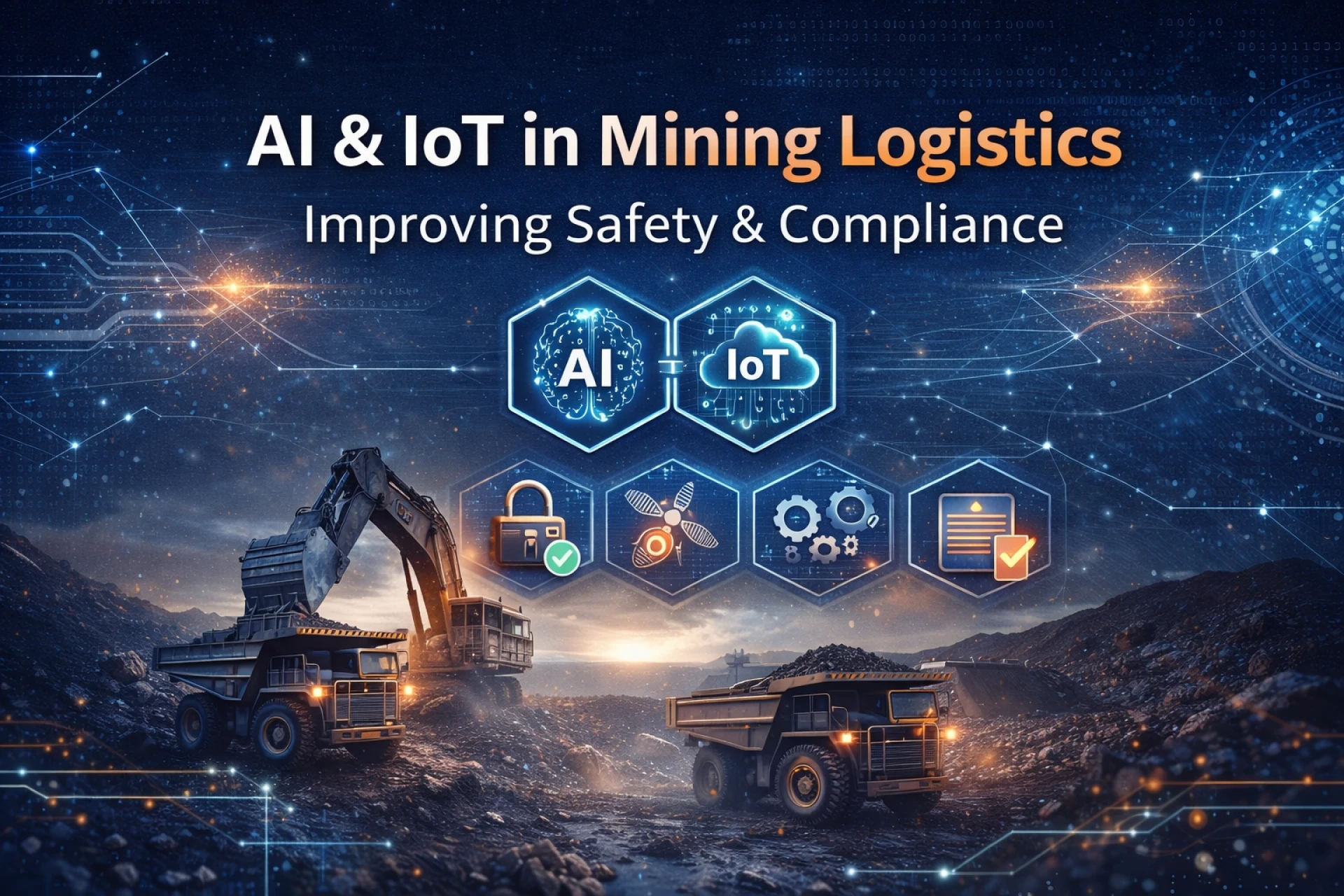

There’s something intense about mining sites. If you’ve ever stood near one — even briefly — you can feel it. The dust in the air. The vibration of heavy trucks rolling past. The constant hum of machinery. It’s not an environment where mistakes are small. They’re usually expensive. Sometimes dangerous. And that’s exactly why AI and IoT in mining logistics has become such a serious conversation lately.
Not hype. Not just tech buzz.
Actual necessity.
Because mining logistics isn’t like standard transportation. You’re moving raw minerals, hazardous materials, explosive substances sometimes, across remote areas where connectivity used to be unreliable. Add regulatory pressure, environmental compliance, worker safety concerns… It's a lot. Honestly, it’s amazing the industry functioned for decades with paper logs and radio updates.
But things are changing. Slowly in some regions. Faster in others.
The Reality of Mining Logistics (It’s Complicated)
Mining operations don’t just dig and ship. There’s extraction, on-site storage, fleet coordination, route planning, cross-border movement, compliance checks, safety inspections. It’s basically a moving ecosystem.
And mining supply chain management has always struggled with visibility. Where exactly is that ore shipment right now? Has the temperature inside the container stayed stable? Did the truck deviate from its approved route? Was the cargo tampered with?
Before connected systems, answers came late. Or not at all.
That’s where IoT in mining industry setups start making sense. Sensors on vehicles. GPS modules. Smart locks. Cloud dashboards. Everything talking to everything else.
It sounds technical. It is technical. But the impact? Very practical.
AI in Mining Operations: Not Just Automation
People hear “AI” and imagine robots replacing workers. That’s not really what’s happening here. At least not mostly.
AI in mining operations is more about pattern recognition. Risk prediction. Smarter decisions.
Let’s say a fleet of trucks moves iron ore from a remote site in Western Australia to a processing facility. The route includes rough terrain, sharp bends, and long isolated stretches. AI systems can analyze historical route data — speed patterns, braking behavior, fuel consumption, weather conditions — and flag potential accident-prone zones.
It’s not flashy. But it prevents things.
One mining logistics manager I spoke to (based in Gujarat, India) mentioned how predictive maintenance alerts reduced their breakdown incidents by almost 30% in a year. Fewer breakdowns mean fewer stranded drivers in high-risk areas. That matters.
A lot.
Real-Time Tracking in Mining Is a Game Changer
There’s something oddly comforting about watching a moving dot on a map and knowing exactly where your assets are.
Real-time tracking in mining has changed how supervisors operate. No more waiting for end-of-day reports. No more calling drivers every few hours.
Now, if a truck carrying coal deviates from its assigned corridor — alert.
If it halts unexpectedly in a restricted zone — alert.
If a container door opens before reaching its destination — another alert.
That’s what secure mining transportation looks like in 2026.
And when you’re dealing with hazardous materials? Those alerts are not optional.
Smart Mining Technology Feels… Smarter
I know that sounds obvious. But smart mining technology isn’t just about adding gadgets to trucks.
It’s about integrating everything.
Fleet systems talk to compliance dashboards. Locking mechanisms connect with geofencing rules. Environmental sensors feed into regulatory reporting tools.
This is where mining logistics solutions are evolving. Instead of isolated tools, companies are adopting unified platforms that manage tracking, safety monitoring, and compliance reporting together.
Less chaos. More control.
Of course, integration isn’t always smooth. Legacy systems resist change. Teams need training. Sometimes there’s skepticism — “Do we really need all this tech?”
But once visibility improves, it’s hard to go back.
Mining Compliance Monitoring: The Pressure Is Real
Regulations in mining aren’t getting lighter. They’re increasing. Environmental guidelines. Transportation safety laws. Hazardous material documentation.
In India, mining operations must comply with strict Directorate General of Mines Safety (DGMS) guidelines. In the U.S., the Mine Safety and Health Administration (MSHA) keeps oversight tight. Australia? Very structured regulatory frameworks.
Manual compliance tracking used to involve thick files and human cross-checking.
Now, mining compliance monitoring systems automatically log transportation data, access control events, temperature fluctuations, and route adherence. Reports can be generated almost instantly.
That transparency protects companies during audits. It also discourages shortcuts.
Because let’s be honest — when systems record everything, people behave differently.
The Role of a Mining Fleet Management System
Heavy-duty mining trucks aren’t cheap. Neither is downtime.
A proper mining fleet management system connected through IoT sensors monitors engine health, tire pressure, braking patterns, load weight distribution, fuel efficiency.
And AI steps in again — predicting failures before they happen.
Imagine preventing a brake malfunction on a 40-ton haul truck before it reaches a downhill slope. That’s not just cost-saving. That’s life-saving.
In regions like the Middle East, where extreme heat affects machinery, sensor-based monitoring becomes even more critical. Overheating alerts aren’t a minor detail.
They’re essential.
Digital Transformation in Mining Isn’t Optional Anymore
For years, digital transformation in mining felt like a boardroom phrase. Now it’s on-site reality.
Satellite connectivity improvements mean even remote African mining zones can maintain data flow. Cloud dashboards allow headquarters in London or Mumbai to oversee fleets operating thousands of kilometers away.
And AI and IoT in mining logistics sit at the center of this shift.
The difference isn’t just efficiency. It’s accountability.
Every movement leaves a digital footprint.
IoT in Mining Industry: Safety Beyond Vehicles
Most discussions focus on trucks. But IoT devices extend beyond transportation.
Wearable sensors for workers monitor fatigue and location. Environmental sensors detect gas leaks. Entry-point systems log authorized personnel movement.
If someone enters a restricted blasting zone without clearance? Immediate notification.
Mining has always been high-risk. But connected monitoring reduces blind spots.
I sometimes think about how many past incidents could have been avoided if these systems existed earlier. Hard to say. But probably quite a few.
Secure Mining Transportation in Remote Corridors
Mining routes often pass through isolated stretches. Sparse network coverage. Minimal lighting. Limited law enforcement presence.
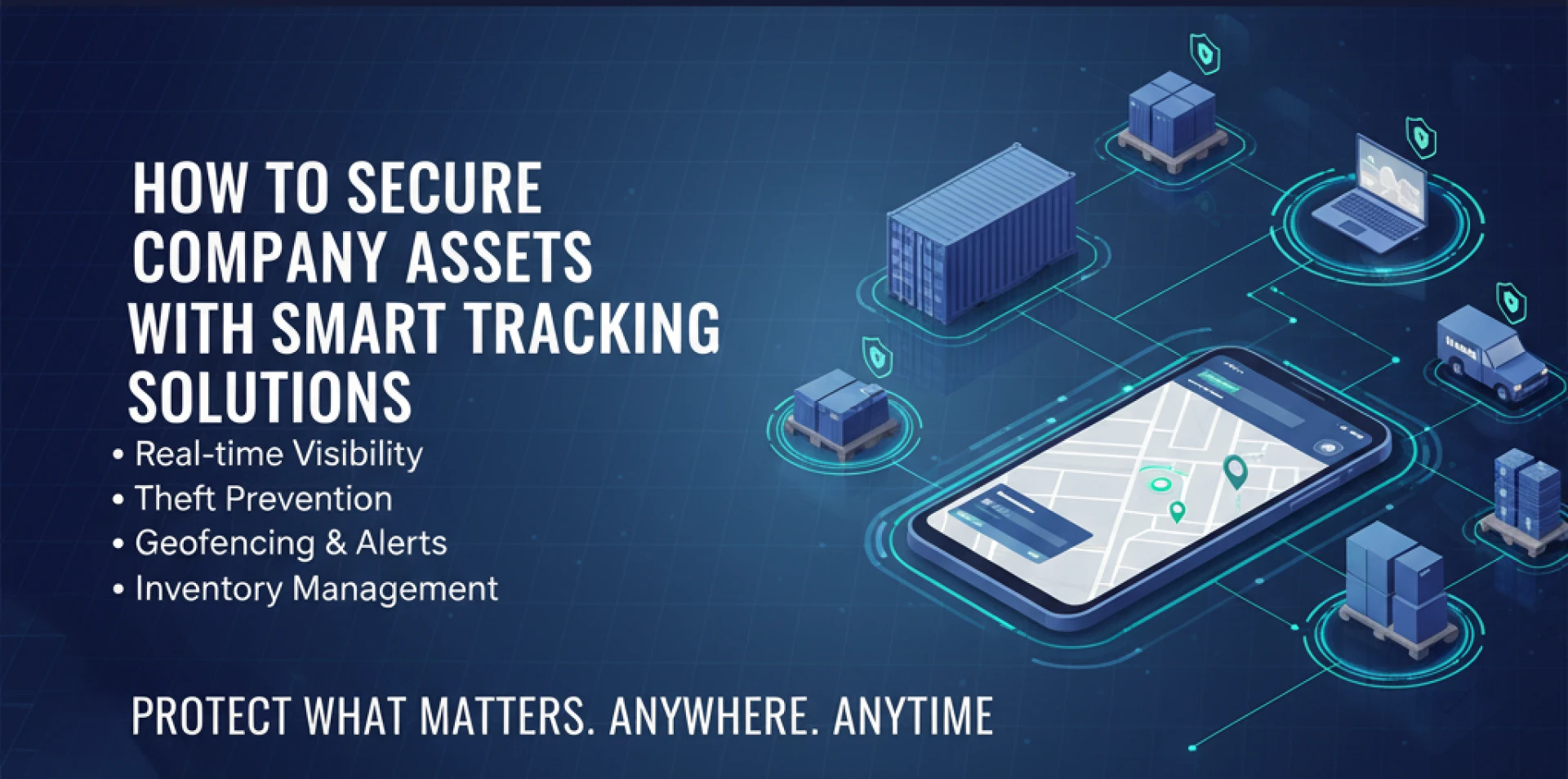
This is where IoT-enabled secure locking systems matter. Smart locks that can only open within predefined geofenced areas reduce cargo tampering risks. Combined with GPS tracking and tamper alerts, theft attempts become far less attractive.
In parts of Latin America where mineral transport theft has been a challenge, these technologies are already showing measurable improvements.
The deterrence factor alone changes behavior.
Mining Supply Chain Management Gets Transparent
Mining supply chain management isn’t just about extraction and delivery. It involves stockyard monitoring, rail coordination, port scheduling, and cross-border documentation.
Connected systems create traceability.
From mine pit to export terminal, every handover is logged. Time-stamped. Verified.
For international buyers demanding transparency, especially in rare earth or lithium shipments, this matters. ESG compliance — environmental, social, governance — depends on accurate reporting.
AI-supported dashboards simplify that reporting process. No more scrambling for paperwork during quarterly audits.
The Human Reaction to All This Tech
It’s mixed. Honestly.
Some workers embrace it quickly. Others feel monitored. There’s always that adjustment period.
But when accident rates drop and disputes reduce, skepticism fades.
I spoke with a supervisor in Jharkhand who admitted he initially doubted the investment. Six months later, he said something simple: “At least now I know what’s happening.”
That sentence says a lot.
Challenges Still Exist
It would be unrealistic to pretend everything is smooth.
Connectivity gaps still affect certain regions. Implementation costs can strain smaller operators. Data security becomes another layer to manage — because connected systems must be protected too.
And integration with older ERP systems? Sometimes messy.
But overall, the benefits outweigh the friction.
Especially when you factor in reduced accident risk and improved compliance outcomes.
How AI and IoT in Mining Logistics Improve Safety
Let’s break it down plainly.
- Predictive maintenance reduces equipment failure.
- Real-time tracking prevents unauthorized route changes.
- Smart locks stop mid-transit tampering.
- Environmental sensors detect hazardous conditions.
- Automated compliance reports reduce legal exposure.
It’s layered safety. Not just one solution.
And when layers stack together, risks shrink.
Location-Specific Impact
In India, coal and iron ore transport has historically faced tracking challenges. IoT-enabled fleet monitoring is rapidly improving transparency.
In Australia, autonomous haulage systems integrate AI analytics with mining fleet management systems for safer remote operations.
In the U.S., lithium and rare mineral transport relies heavily on secure mining transportation protocols supported by connected tracking systems.
Middle Eastern mining expansions increasingly embed smart mining technology from day one building connected infrastructure instead of retrofitting later.
The adoption curve varies by region. But it’s rising everywhere.
Where Things Are Heading
The next phase of digital transformation in mining looks even more integrated.
AI won’t just analyze past data. It’ll simulate potential risk scenarios. Suggest optimized transport schedules. Predict regulatory changes based on pattern analysis.
Blockchain layers may combine with IoT data for tamper-proof compliance documentation.
Autonomous vehicles will rely entirely on connected sensors for navigation and safety.
It’s a bit futuristic. But not unrealistic.
A Slightly Personal Observation
Mining will probably never feel “safe” in the traditional sense. It’s heavy industry. It’s physical. It’s intense.
But it can be safer than before.
And when I look at how AI in mining operations is evolving quietly, reducing blind spots, preventing breakdowns, logging compliance data, I can’t help thinking this shift was overdue.
Tech doesn’t remove risk completely. But it reduces uncertainty.
And in mining logistics, reducing uncertainty might be the most valuable improvement of all.
Anyway… that’s where things seem to be heading. And once companies experience that level of visibility and control, it’s hard to imagine going back to clipboards and guesswork.
FAQs
1. What is AI and IoT in mining logistics?
AI and IoT in mining logistics use smart sensors and data analytics to improve safety, tracking, and compliance in mining transportation.
2. How does IoT improve safety in the mining industry?
IoT in the mining industry enables real-time monitoring, hazard detection, and instant alerts to reduce accidents and risks.
3. What are the benefits of AI in mining operations?
AI in mining operations improves route planning, predictive maintenance, and mining compliance monitoring.
4. What is real-time tracking in mining?
Real-time tracking in mining uses GPS and IoT devices to monitor vehicles, cargo, and equipment live.
5. What is a mining fleet management system?
A mining fleet management system tracks vehicle performance, fuel usage, and driver behavior for safer operations.
6. How does AI support mining compliance monitoring?
AI automates data collection and reporting to ensure regulatory compliance and secure mining transportation.

























Sign in to leave a comment.