
In 2026, AI digital marketing is more than automation – it’s changing the way brands discover prospects, generate content, and convert customers.
AI is no longer a futuristic promise, deployed for predictive insights and hyper-personalized experiences — it’s redefined the marketing landscape.
A New Era of Smart Marketing
Artificial intelligence (AI) tools are driving significant changes in marketing functions. 88% of marketers are already using AI on a daily basis, with average returns as high as 300%, while cutting customer acquisition costs by 37%.

This rapid adoption isn’t surprising. In an environment where consumer attention is limited, AI introduces marketers to more than just primitive automation and moves toward AI-driven marketing that predicts needs, customizes messaging, and adjusts performance dynamically.
AI Content Creation: Faster, Smarter, Scalable
One of the most obvious impacts of AI in digital marketing is also seen in content creation. Today’s AI tools can write blogs, social media posts, video scripts, ad copy for a company, and product descriptions in minutes (and even SEO-optimized landing page copy).
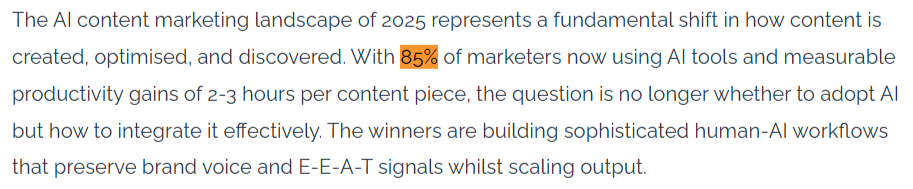
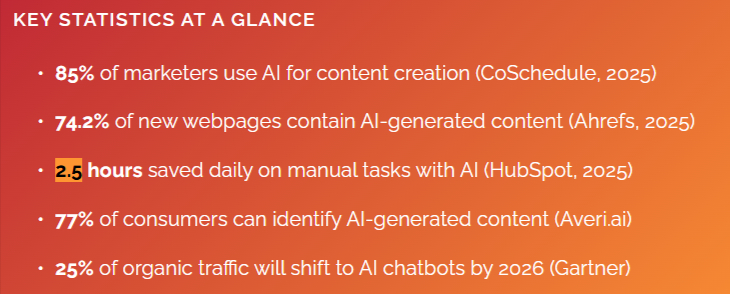
The truth is, 85% of marketers are now using AI for content production, up from just 61% a couple of years ago, according to surveys. This movement closer to AI being at the helm for content creation allows brands to get more useful and impactful content in a fraction of the time that would be taken by the legacy creative process.
AI’s help is said to save marketers around 2.5 hours each day on manual activities – giving them more time for strategic thinking, campaigns, and big-picture planning.
But it is important to note — success isn’t about substituting humans. The most forward-thinking teams treat AI as a co-creator: Machines handle scale and structure, while humans refine narrative, emotion, and brand voice.
Scale the Personalization and Customer Experience
It's no longer the era of one-size-fits-all marketing! AI makes hyper-personalization at all these moments of truth possible by personalizing everything from email to web content to user behavior in the moment.
Now they run hundreds of data points — click behavior, purchase intent, browsing history — to dynamically personalize content to individuals.
This nuance permeates mediums:
- Conversion optimized recommendations powered by AI with predictive content suggestions.
- Email automation systems personalize subject lines and send times for each user.
- Smart sites dynamically change layouts, offers, and images based on real-time behavior.
With this kind of power, marketers can turn engagement into conversion with a level of accuracy once considered the stuff of science fiction.
Predictive Insights and Smarter Strategy
The effect of A.I. isn’t just about creative work — it’s also changing the way we strategize. With predictive analytics, marketers can now predict customer intent, identify the best timing for a campaign, and easily adjust on the go.
These are the types of insights that enable brands to transition from reactive planning to proactive growth models.
Furthermore, AI for sales and marketing is increasingly also the foundation of performance measurement. Sophisticated attribution models today show what touchpoints actually lead to conversions, helping digital marketers spend smarter and better track ROI.
AI in Content Creation and More
Marketers now have a wide AI toolkit, from generative engines such as ChatGPT and Jasper to automated scheduling and optimization tools. These content-creating AI tools do not just create content; they also analyze engagement trends from which you can get improvement suggestions and use the best-performing assets, cross-platform.
Voice and visual search, for their part, are also nearing the mainstream — that is to say, AI-powered marketing must now refine its optimization tactics to keep up with conversational queries and image-based discovery.
Conclusion
In 2026, AI has moved digital marketing from a hands-on chore of repetitive tasks and incomplete data into a finely crafted, intelligent growth engine that enables both personalization and creativity.
From AI-generated content to predictive analytics, this shift enables marketers to make more intelligent decisions in less time, create more impactful experiences, and break through performance barriers.
Whether you’re an experienced marketer or new to the field, knowing how AI for marketing affects strategy is no longer a choice – it’s a must.
Because in this world, through which we have AI designing campaigns, evaluating audiences, and creating content, aren’t we wondering how honing these abilities could potentially enhance our careers?



























Sign in to leave a comment.