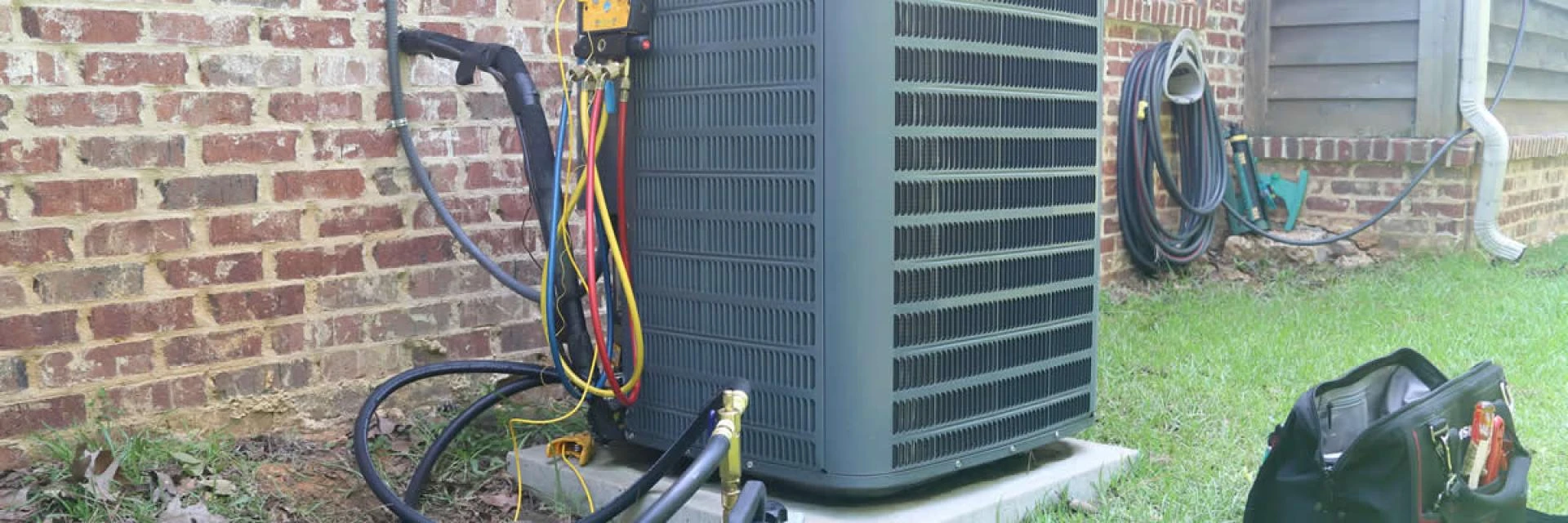

When your home feels more like a greenhouse than a haven, an air condition technician (often called an HVAC technician) is the hero who shows up with gauges, meters, and calm confidence. But what exactly do they do, what skills matter, and how do you pick a good one? Here’s a practical, human-first guide.
What an Air Condition Technician Actually Does
An air condition technician installs, maintains, and repairs cooling systems—central ACs, heat pumps, ductless mini-splits, thermostats, and the ductwork that connects it all. On any given day they might:
- Diagnose no-cool calls: Check airflow, electrical components, and refrigerant charge.
- Fix leaks and replace parts: Capacitors, contactors, fan motors, TXVs, control boards, and float switches.
- Tune systems for efficiency: Clean coils, clear condensate drains, calibrate thermostats, verify SEER2-focused performance.
- Install equipment: Properly size the system, set charge, braze line sets, pull vacuum, and commission smart controls.
- Improve comfort & air quality: Seal ducts, adjust static pressure, recommend filtration, UV lights, or dehumidifiers.
Skills That Separate Pros from “Parts Changers”
A great AC technician isn’t just handy with tools—they’re expert problem-solvers. Look for:
- Solid diagnostics: They chase root causes, not just symptoms.
- Airflow literacy: Understanding CFM, static pressure, filter resistance, and duct design.
- Refrigerant know-how: Superheat, subcooling, and EPA Section 608 certification for safe handling.
- Electrical competence: Safely testing relays, capacitors, ECM/PSC motors, and low-voltage controls.
- Communication: Clear estimates, photos, and simple explanations of options and trade-offs.
Tools of the Trade
You’ll see analog and digital gauges, vacuum pumps, micron meters, clamp meters, leak detectors, manometers for static pressure, and smart probes that log data to a phone. Clean drop cloths, shoe covers, and a tidy truck say a lot about how they’ll treat your home.
A Day in the Life (So You Know What to Expect)
- Greeting & questions: A quick interview about symptoms—warm rooms, short cycling, high bills, odd smells.
- Safety + power off: They’ll pull disconnects and verify power is down.
- Inspection: Filter, coils, blower wheel, drain pan/line, contactor, capacitor, fan motor, and thermostat settings.
- Measurements: Static pressure, temperature split, amperage, superheat/subcooling to verify charge and airflow.
- Estimate & approval: Clear pricing and repair options—repair vs. replace when it’s big-ticket (e.g., compressor).
- Repair & test: Parts replaced, leak sealed, system evacuated and recharged if needed, and performance verified.
- Education: Filter schedule, drain maintenance, and how to use the thermostat for better dehumidification.
When to Call an Air Condition Technician
- Warm air or weak airflow
- Ice on the indoor coil or lineset
- Water near the air handler (drain clog)
- Breaker trips or burning/electrical odors
- Short cycling or high humidity
- Energy bills climbing with no comfort gain
Pro tip: If the evaporator is iced, turn cooling off and fan on to thaw before your tech arrives. Running iced can harm the compressor.
Certifications & Credentials That Matter
- EPA 608: Required for refrigerant work.
- State license & insurance: Non-negotiable for protection and code compliance.
- NATE certification (bonus): Signals deep technical knowledge.
- Manufacturer training: Helpful for variable-speed systems, inverter heat pumps, and communicating thermostats.
Repair vs. Replace: How Techs Help You Decide
A trustworthy air conditioning technician will weigh age, condition, and efficiency. If your unit is 10–15 years old, using legacy refrigerant, or needs a compressor, it may be smarter to upgrade to a right-sized, high-SEER2 system with better humidity control and a fresh warranty. If the issue is a capacitor, drain clog, or thermostat, a repair is usually the sensible play.
Smart Maintenance (The Stuff That Actually Works)
- Change filters every 1–3 months (more with pets or allergies).
- Annual tune-up: Clean coils, check charge/electrical, clear drains, verify airflow.
- Keep 2–3 feet clear around the outdoor unit; gently rinse coils.
- Seal and insulate ducts to lower static pressure and improve dehumidification.
- Use Auto fan (not “On”) to avoid re-evaporating moisture.
- Consider surge protection to protect boards and ECM motors.
How to Hire the Right Technician
- Ask for license/insurance and EPA 608—and don’t be shy about seeing proof.
- Read recent reviews for themes: communication, punctuality, clean work.
- Insist on written estimates with part names, labor, and warranty.
- Expect options: Good techs explain “fix now,” “watch,” and “replace” scenarios without pressure.
- Look for stocked trucks so minor parts can be handled same-day.
Quick FAQs
How long should a well-maintained AC last?
In warm climates, 10–15 years is realistic; variable-speed systems often run longer if maintained.
Is bigger always better?
No. Oversized units short-cycle and struggle with humidity. Proper sizing and airflow trump raw tonnage.
Do smart thermostats help?
Used correctly, yes—especially models that support longer, lower-speed cycles and dehumidification logic.
Bottom Line
A skilled air condition technician blends science, craftsmanship, and clear communication. When you find one who diagnoses first, explains your choices, and stands behind their work, keep their number. With regular maintenance and smart upgrades, your system will keep you cool, dry, and comfortable—without surprise breakdowns or sky-high bills.


























Sign in to leave a comment.