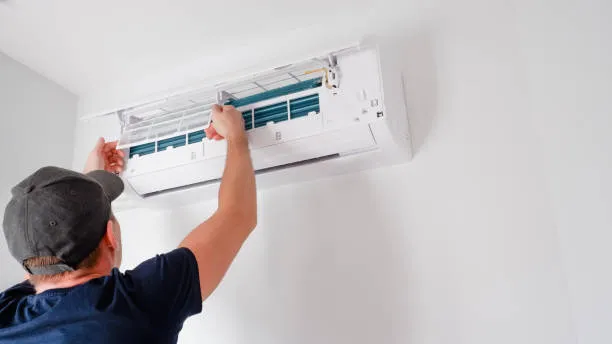

Living in an apartment in Melbourne comes with many advantages, including convenience, location, and lifestyle benefits. However, Melbourne’s unpredictable climate can make apartment living uncomfortable without a reliable air conditioning system. From hot summer afternoons to chilly winter mornings, maintaining indoor comfort year-round is essential.
Installing air conditioning in an apartment can be more complex than in a standalone house. Factors such as limited space, body corporate regulations, building restrictions, noise considerations, and energy efficiency all play an important role in selecting the right system.
Whether you own an apartment or are planning an upgrade, understanding the key installation considerations can help you choose the best cooling and heating solution for your Melbourne property.
Why Air Conditioning Is Important in Melbourne Apartments
Melbourne weather is well known for changing rapidly throughout the day. Apartments can quickly become uncomfortable during summer heatwaves, especially those with large windows, upper-level exposure, or poor ventilation.
Modern reverse-cycle air conditioning systems provide both cooling and heating, making them ideal for Melbourne’s climate. They help apartment residents:
- Stay cool during summer
- Maintain warmth in winter
- Improve indoor air quality
- Reduce humidity
- Enhance overall comfort
- Increase property value
Energy-efficient air conditioning can also help lower long-term electricity costs when installed correctly.
Understand Apartment Building Regulations First
Before installing an air conditioning system in a Melbourne apartment, it is important to check your apartment building’s rules and approval requirements.
Check Body Corporate or Owners Corporation Rules
Many Melbourne apartment buildings have regulations regarding:
- Outdoor condenser placement
- Noise restrictions
- Building appearance
- Wall penetrations
- Roof access
- Shared property modifications
In most cases, approval from the owner’s corporation or body corporate is required before installation begins.
Failing to obtain approval may result in:
- Installation delays
- Fines or penalties
- Forced system removal
- Additional repair costs
Always review building guidelines carefully before selecting a system.
Choose the Right Air Conditioning System
Not all air conditioning systems are suitable for apartment living. The best option depends on your apartment size, layout, and building restrictions.
Split System Air Conditioning: The Most Popular Choice
Split system air conditioners are the most common solution for Melbourne apartments.
A split system includes:
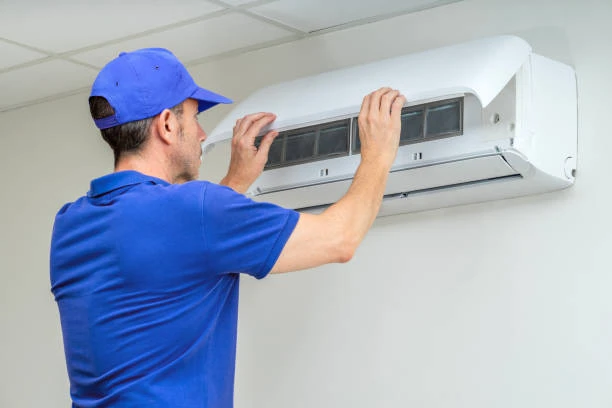
- An indoor wall-mounted unit
- An outdoor compressor unit
Benefits of Split Systems for Apartments
Split systems are ideal because they:
- Require minimal installation space
- Provide efficient heating and cooling
- Operate quietly
- Are energy efficient
- Allow room-specific temperature control
- Have lower installation costs than ducted systems
They are especially suitable for:
- One-bedroom apartments
- Small to medium-sized units
- Open-plan living spaces
- Apartment renovations
Modern inverter split systems are highly efficient and perform well in Melbourne’s changing climate.
Consider Multi-Split Systems for Larger Apartments
For larger apartments or multi-room layouts, a multi-split system may be a better option.
These systems connect multiple indoor units to a single outdoor condenser, allowing independent temperature control in different rooms.
Advantages of Multi-Split Systems
- Save outdoor balcony or wall space
- Reduce exterior visual clutter
- Provide zoned comfort
- Improve overall efficiency
This solution works well for:
- Two-bedroom apartments
- Penthouse apartments
- Larger inner-city residences
Pay Attention to Outdoor Unit Placement
Outdoor condenser placement is one of the most important installation considerations in apartment buildings.
Common Outdoor Unit Locations
In Melbourne apartments, outdoor units are often installed:
- On balconies
- In service areas
- On external walls
- On rooftops
- In designated building plant zones
Important Placement Tips
Proper placement helps improve:
- Airflow efficiency
- System performance
- Noise reduction
- Maintenance accessibility
The outdoor unit should:
- Have adequate ventilation
- Be protected from excessive weather exposure
- Avoid blocking pathways or balconies
- Comply with building regulations
Professional installers can help identify suitable locations that meet both performance and compliance requirements.
Choose the Correct Air Conditioner Size
Selecting the right system size is critical for efficiency and comfort.
Problems With Incorrect Sizing
An undersized unit may:
- Struggle to cool or heat effectively
- Run continuously
- Increase energy usage
An oversized system may:
- Cycle on and off too frequently
- Waste electricity
- Create uneven temperatures
- Increase humidity problems
Factors Affecting Air Conditioner Sizing
Professional installers assess several factors, including:
- Apartment size
- Ceiling height
- Insulation quality
- Window size and direction
- Sun exposure
- Number of occupants
Correct sizing ensures optimal efficiency and long-term performance.
Focus on Energy Efficiency
Electricity costs in Melbourne continue to rise, making energy efficiency an important consideration.
Look for High Energy Star Ratings
Energy-efficient air conditioning systems can significantly reduce operating costs.
Modern inverter systems adjust compressor speed automatically, helping maintain stable temperatures while using less electricity.
Benefits of energy-efficient systems include:
- Lower power bills
- Reduced environmental impact
- Better temperature consistency
- Quieter operation
Reverse-Cycle Systems Offer Year-Round Value
Reverse-cycle air conditioners provide both cooling and heating, making them ideal for Melbourne’s climate.
Instead of installing separate heating systems, apartment owners can use one efficient unit throughout the year.
Minimise Noise Levels
Noise can be a major concern in apartment buildings where neighbours live in close proximity.
Choose Quiet Air Conditioning Models
Modern split systems are designed for quieter operation, but noise levels still vary between models.
Look for systems with:
- Low indoor decibel ratings
- Quiet outdoor compressor technology
- Sleep or silent modes
Proper Installation Helps Reduce Noise
Professional installation is essential for minimising vibration and sound transmission.
Installers may use:
- Anti-vibration mounts
- Acoustic insulation
- Proper bracket support
This helps reduce disturbances for both residents and neighbours.
Consider Smart Features and Connectivity
Smart air conditioning technology is becoming increasingly popular in Melbourne apartments.
Features to Look For
Modern systems may include:
- Wi-Fi connectivity
- Smartphone app control
- Voice assistant compatibility
- Programmable timers
- Energy usage monitoring
These features allow users to:
- Control temperatures remotely
- Improve energy efficiency
- Maintain comfort while away from home
Smart systems are especially useful for busy apartment residents with changing schedules.
Ensure Proper Installation by Licensed Professionals
Air conditioning installation should always be completed by qualified professionals.
Why Professional Installation Matters
Licensed installers ensure:
- Safe electrical connections
- Correct refrigerant handling
- Compliance with Australian standards
- Proper drainage setup
- Efficient system operation
Poor installation can lead to:
- Reduced efficiency
- Water leaks
- Increased energy usage
- System breakdowns
- Voided warranties
Choosing experienced Melbourne installers helps ensure long-term reliability and compliance with local regulations.
Plan for Ongoing Maintenance
Regular maintenance is essential for keeping apartment air conditioning systems running efficiently.
Maintenance Tips
To maintain performance:
- Clean filters regularly
- Keep outdoor units clear of debris
- Schedule professional servicing annually
- Check drainage systems
- Monitor unusual noises or reduced airflow
Well-maintained systems last longer and operate more efficiently.
Common Challenges With Apartment Air Conditioning Installation
Apartment installations can involve unique challenges, including:
- Limited outdoor space
- Shared walls
- Restricted roof access
- Strata approval delays
- Noise limitations
- Older building infrastructure
Working with experienced installers who understand Melbourne apartment requirements can help avoid costly issues.
Why Reverse-Cycle Air Conditioning Is Popular in Melbourne
Melbourne residents often prefer reverse-cycle systems because they provide reliable year-round climate control.
These systems efficiently handle:
- Summer cooling
- Winter heating
- Humidity control
- Temperature fluctuations
For apartment living, reverse-cycle split systems offer one of the most practical and energy-efficient solutions available.
Final Thoughts
Installing air conditioning in a Melbourne apartment requires careful planning, the right system selection, and professional installation. Factors such as apartment size, body corporate regulations, outdoor unit placement, energy efficiency, and noise control all play a major role in achieving the best results.
For most apartments, split system air conditioning offers an excellent balance of affordability, efficiency, and year-round comfort. Larger apartments may benefit from multi-split solutions that provide greater flexibility and zoned climate control.
By working with experienced professionals and choosing an energy-efficient reverse-cycle system, Melbourne apartment owners can enjoy comfortable indoor temperatures throughout every season while keeping running costs under control.
























Sign in to leave a comment.