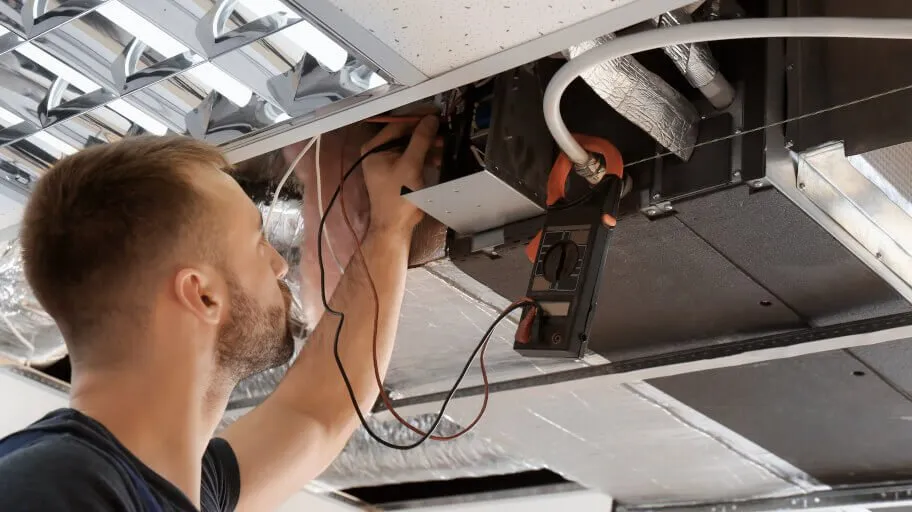

Installing a ducted air conditioning system is one of the most effective ways to achieve year-round comfort throughout your home. Whether you're building a new house or upgrading an existing property, proper preparation ensures a smooth installation process, reduces delays, and helps you get the most from your investment.
Why Preparation Matters Before Installation
Unlike split systems, ducted air conditioning distributes conditioned air through a network of ducts hidden in the ceiling or under the floor. Because the system is integrated into your home's structure, installation requires careful planning.
Preparing your home beforehand offers several benefits:
- Faster and more efficient installation
- Reduced labour costs
- Minimal disruption to your household
- Improved airflow and energy efficiency
- Easier access for installers
- Better long-term system performance
Whether you're installing ducted air conditioning in a new home or retrofitting an existing property, preparation is essential.
1. Choose the Right Ducted Air Conditioning System
Before installation begins, select a system that matches your home's size and cooling or heating requirements.
A professional installer will assess factors including:
- Total floor area
- Number of rooms
- Ceiling height
- Home orientation
- Insulation quality
- Number of occupants
- Window sizes and sunlight exposure
Oversized systems consume unnecessary energy, while undersized systems struggle to maintain comfortable temperatures.
Professional load calculations ensure your ducted air conditioning system operates efficiently all year round.
2. Inspect Your Roof Space
Most ducted air conditioning systems in Australia are installed within the ceiling cavity.
Before installation, ensure your roof space:
- Has sufficient clearance for the indoor unit
- Allows space for ductwork
- Is free from major obstructions
- Provides safe installer access
- Has adequate ventilation
Common obstacles include:
- Water tanks
- Solar equipment
- Timber trusses
- Existing electrical wiring
- Storage items
Removing stored belongings before installation gives technicians better access and speeds up the project.
3. Clear Access Around Your Home
Installers need easy access to multiple areas, including:
- Roof space
- Outdoor condenser location
- Electrical switchboard
- Internal ceiling access points
- Hallways and rooms
Move furniture away from ceiling vents and protect valuable items.
If installers need to use ladders inside the home, clearing working areas improves safety and efficiency.
4. Decide on Vent and Zoning Locations
One advantage of ducted air conditioning is customised airflow throughout the home.
Before installation, discuss:
- Supply air vent locations
- Return air grille placement
- Zone configuration
- Controller location
- Bedroom and living area priorities
Well-planned vent placement ensures balanced airflow and avoids hot or cold spots.
Many modern systems include zoning, allowing you to cool or heat only occupied areas, reducing energy consumption.
5. Ensure Your Electrical System Is Ready
Ducted air conditioning systems require dedicated electrical circuits.
An installer or licensed electrician will verify:
- Switchboard capacity
- Circuit protection
- Safety switches
- Power requirements
- Outdoor unit connection
Older homes may require electrical upgrades before installation.
Completing these upgrades beforehand prevents installation delays.
6. Plan the Outdoor Unit Location
The outdoor condenser should be installed where it can operate efficiently and remain easily accessible for servicing.
The ideal location should:
- Have good airflow
- Be on a stable surface
- Be protected from excessive debris
- Meet local council clearance requirements
- Produce minimal noise near bedrooms or neighbours
Avoid placing outdoor units in confined spaces where airflow is restricted.
7. Protect Floors and Furniture
Although professional installers take care during installation, minor dust and ceiling access work are unavoidable.
Before installation:
- Cover furniture
- Remove fragile decorations
- Protect valuable flooring
- Store electronics safely
- Keep pets away from work areas
Simple preparation helps minimise cleaning afterwards.
8. Consider Ceiling Repairs or Renovations First
If you're planning renovations such as:
- New ceilings
- Repainting
- Insulation upgrades
- Roof repairs
- Lighting changes
Complete these before installing your ducted air conditioning system.
Doing renovation work afterwards may require relocating vents or damaging newly installed ductwork.
9. Prepare for Installation Day
On installation day:
- Keep driveways clear
- Provide easy property access
- Ensure someone is available if required
- Secure pets
- Inform family members about temporary noise
Most residential ducted air conditioning installations take one to three days, depending on the home's size and complexity.
10. Ask About Smart Controls
Modern ducted air conditioning systems often include smart technology that improves comfort and energy efficiency.
Features may include:
- Wi-Fi control
- Smartphone apps
- Weekly scheduling
- Temperature sensors
- Voice assistant compatibility
- Zone management
Discuss available control options before installation so wiring can be completed during the initial setup.
After Installation: What to Expect
Once installation is complete, your technician should:
- Test airflow
- Balance each zone
- Check refrigerant levels
- Demonstrate controller functions
- Explain maintenance requirements
- Provide warranty documentation
Understanding how to operate your new system correctly helps maximise energy efficiency and prolong equipment life.
Tips to Maximise Performance
After installation, maintain your system by:
- Cleaning return air filters regularly
- Keeping outdoor units free from leaves and debris
- Scheduling professional servicing annually
- Avoiding blocked vents
- Using zoning effectively
- Setting moderate temperatures between 22°C and 24°C for cooling and 18°C to 20°C for heating
Regular maintenance helps reduce running costs while extending the life of your ducted air conditioning system.
Why Professional Installation Matters
Installing ducted air conditioning is a complex project involving refrigeration, electrical work, duct design, airflow balancing, and system commissioning.
Choosing experienced professionals ensures:
- Correct system sizing
- Efficient duct layout
- Compliance with Australian standards
- Manufacturer warranty protection
- Reliable long-term performance
- Lower operating costs
A professionally installed system delivers greater comfort, quieter operation, and improved energy efficiency for many years.
Final Thoughts
Preparing your home before ducted air conditioning installation makes the process quicker, safer, and more efficient. From inspecting roof space and clearing access to planning vent locations and ensuring electrical readiness, every step contributes to a successful installation.
Whether you're building a new home or upgrading an existing one, working with qualified ducted air conditioning specialists ensures your system is designed and installed for optimal comfort, energy efficiency, and long-term reliability.
Frequently Asked Questions
How long does ducted air conditioning installation take?
Most residential installations take between one and three days, depending on the property's size and the complexity of the ductwork.
Do I need roof space for ducted air conditioning?
Most systems require sufficient ceiling space for the indoor unit and ducts. Some homes can use underfloor installations where suitable.
Should I leave my home during installation?
Not necessarily. However, installation involves drilling, ceiling access, and electrical work, so expect some noise and temporary disruption.
Can ducted air conditioning be installed in an existing home?
Yes. Many existing homes can be retrofitted with ducted air conditioning, although installation may require additional planning depending on roof access and structural layout.
What temperature should I set my ducted air conditioning to?
For energy-efficient cooling, set your thermostat between 22°C and 24°C. For heating, 18°C to 20°C is generally recommended for comfort and efficiency.
























Sign in to leave a comment.