
Introduction
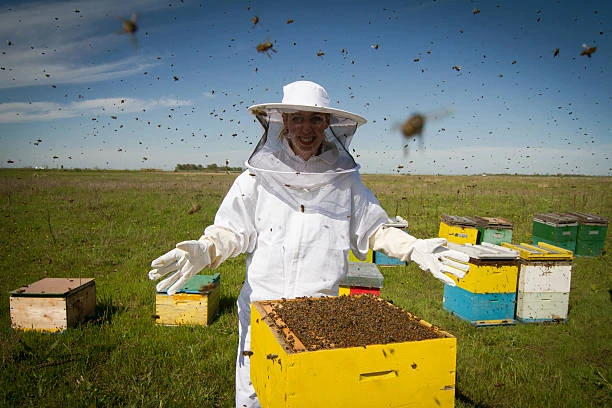
When it comes to beekeeping, protection is paramount. A beekeeping suit is your first line of defense against bee stings and other potential hazards. But why exactly are these suits so important, and how have they evolved over time?
Importance of Beekeeping Suits
Beekeeping suits are essential for ensuring the safety and comfort of beekeepers. They provide a physical barrier between you and your bees, preventing stings and allowing you to work confidently with your hives. Without a proper suit, the risk of stings and allergic reactions increases significantly.
History of Beekeeping Attire
Beekeeping attire has come a long way since the early days of beekeeping. Initially, beekeepers used minimal protection, often relying on smoke to calm the bees. Over time, the need for more effective protective gear led to the development of the modern beekeeping suit. Today, these suits incorporate advanced materials and designs to offer maximum protection and comfort.
Components of a Beekeeping Suit
A beekeeping suit is more than just a single piece of clothing. It typically consists of several components, each designed to offer specific protection.
Full Suit
The full suit covers your entire body, providing comprehensive protection from head to toe. It\'s the most secure option, ideal for those who want maximum coverage.
Jacket
A beekeeping jacket is a less cumbersome option that still offers significant protection. It\'s perfect for quick inspections or in situations where full coverage isn\'t necessary.
Veil
The veil is a crucial part of any beekeeping suit, protecting your face and neck from stings. It should be made from a fine mesh to ensure visibility while keeping bees out.
Gloves
Gloves protect your hands, which are often the most exposed part of your body when working with bees. They should be durable yet flexible enough to allow for dexterity.
Boots
Beekeeping boots, or any sturdy footwear, protect your feet from bee stings. Some beekeepers prefer boots with elastic cuffs to prevent bees from crawling inside.
Materials Used in Beekeeping Suits
The material of your beekeeping suit greatly affects its comfort and effectiveness.
Cotton
Cotton is a popular choice for beekeeping suits due to its breathability and comfort. However, it\'s not as durable as some synthetic materials.
Polyester
Polyester suits are durable and often more affordable than cotton. They can be less breathable, but many modern suits incorporate ventilation panels to mitigate this.
Mesh
Mesh suits offer excellent ventilation, making them ideal for hot climates. They are typically lighter and more comfortable but may provide less protection from stings.
Ventilated Fabrics
Ventilated suits combine different materials to offer both protection and breathability. These are great for beekeepers who work in varying conditions.
Features to Look for in a Beekeeping Suit
Choosing the right beekeeping suit involves considering several key features.
Protection Level
Ensure your suit provides adequate protection for your needs. Full suits offer the most coverage, while jackets and veils are suitable for less intensive tasks.
Comfort and Fit
Your suit should fit well and be comfortable to wear for extended periods. Look for adjustable features and choose a size that allows for movement without being too loose.
Visibility
A good veil should offer clear visibility without compromising protection. Look for fine mesh materials that provide an unobstructed view.
Ventilation
Ventilation is crucial, especially if you work in hot climates. Ventilated suits or those with mesh panels can help keep you cool while working with your bees.
Types of Beekeeping Suits
There are several types of beekeeping suits, each suited to different needs and preferences.
Traditional Full Suit
Traditional full suits offer the most comprehensive protection. They\'re ideal for new beekeepers or those dealing with aggressive bees.
Jacket and Veil Combo
This combo is perfect for quick hive inspections or for beekeepers who don\'t need full-body protection. It\'s easier to put on and take off compared to a full suit.
Ultra Ventilated Suits
Ultra-ventilated suits are designed for maximum airflow. They are perfect for hot climates and provide excellent comfort during long beekeeping sessions.
Lightweight Suits
Lightweight suits are made from lighter materials, making them more comfortable to wear. They may not offer the same level of protection as heavier suits but are great for low-risk situations.
How to Choose the Right Beekeeping Suit
Selecting the right beekeeping suit depends on several factors.
Assessing Your Beekeeping Needs
Consider how often you work with your bees and the level of protection you need. Frequent beekeepers might benefit from investing in a higher-quality suit.
Climate Considerations
Your local climate plays a significant role in choosing a suit. In hot climates, ventilated suits are a must, while colder areas might require more insulated options.
Budget
Beekeeping suits come in a range of prices. While it\'s tempting to go for the cheapest option, investing in a quality suit can save you from discomfort and potential stings.
Caring for Your Beekeeping Suit
Proper care extends the life of your beekeeping suit and ensures it remains effective.
Cleaning Tips
Regularly clean your suit to remove any bee attractants like sweat or honey. Most suits can be machine washed, but always check the manufacturer\'s instructions.
Storage Solutions
Store your suit in a dry, cool place away from direct sunlight. Avoid leaving it crumpled to prevent wear and tear.
Repair and Maintenance
Inspect your suit regularly for any tears or weak spots. Repair any damage immediately to maintain the suit\'s protective integrity.
Safety Tips for Using Beekeeping Suits
Even with the best suit, following safety procedures is crucial.
Conclusion
In the world of beekeeping, where harmony between humans and bees is paramount, the bee suits serves as a vital tool for fostering mutual respect and cooperation. By donning this protective attire, beekeepers can embark on their apiary adventures with confidence, knowing they are well-equipped to navigate the intricate dance of hive management while safeguarding themselves from nature\'s defenders

























Sign in to leave a comment.