

What Are Dental Caries?
Dental caries, commonly called cavities, are areas of tooth decay caused by bacteria that produce acids. These acids slowly erode the enamel, leading to holes or dark spots on the tooth surface. If untreated, the decay can reach the deeper layers of the tooth and cause pain or infection.
Early Signs to Watch For
Cavities often start small and painless, so spotting them early is key. Look for:
- White, brown, or black spots on the teeth
- Sensitivity to sweets, hot, or cold foods
- Mild toothache that comes and goes
- Rough or uneven tooth surface when touched with the tongue
- Bad breath or a bad taste in the mouth
If you notice any of these signs, it’s best to visit your dentist before the damage spreads.
What Causes Dental Caries?
Several factors can lead to tooth decay:
- Poor brushing or flossing habits
- Frequent snacking on sugary or starchy foods
- Dry mouth (lack of saliva to wash away bacteria)
- Acidic drinks like sodas and fruit juices
- Not getting regular dental checkups
How to Prevent Cavities
Cavity prevention is easier than treatment. Here’s what helps:
- Brush twice daily with fluoride toothpaste
- Floss once a day to remove plaque between teeth
- Limit sugar intake, especially sticky snacks and sweet drinks
- Rinse after meals or chew sugar-free gum to increase saliva
- Schedule regular dental cleanings at least twice a year
Fluoride plays an important role in strengthening enamel, so using fluoride toothpaste or mouthwash is highly recommended.
Treatment Options
The right treatment depends on how early the cavity is caught:
- Fluoride treatment: Can reverse very early decay by rebuilding enamel.
- Dental filling: The most common treatment once a hole has formed.
- Crown: Used when the decay is large and the tooth structure is weak.
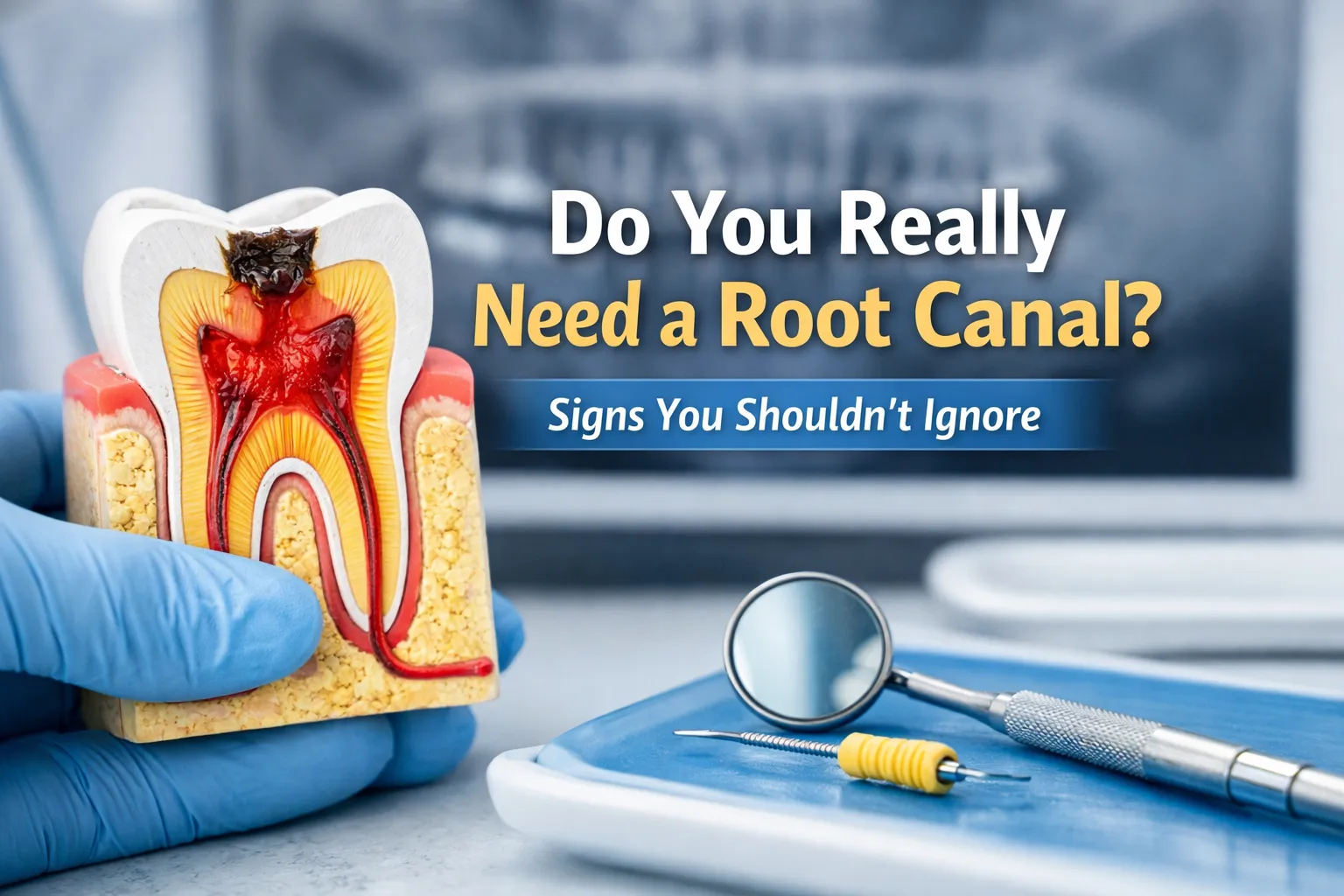
- Root canal: Needed if decay reaches the pulp and causes infection.
- Tooth extraction: A last resort if the tooth cannot be saved.
Early dental visits make treatment simpler and less costly.
When to See a Dentist
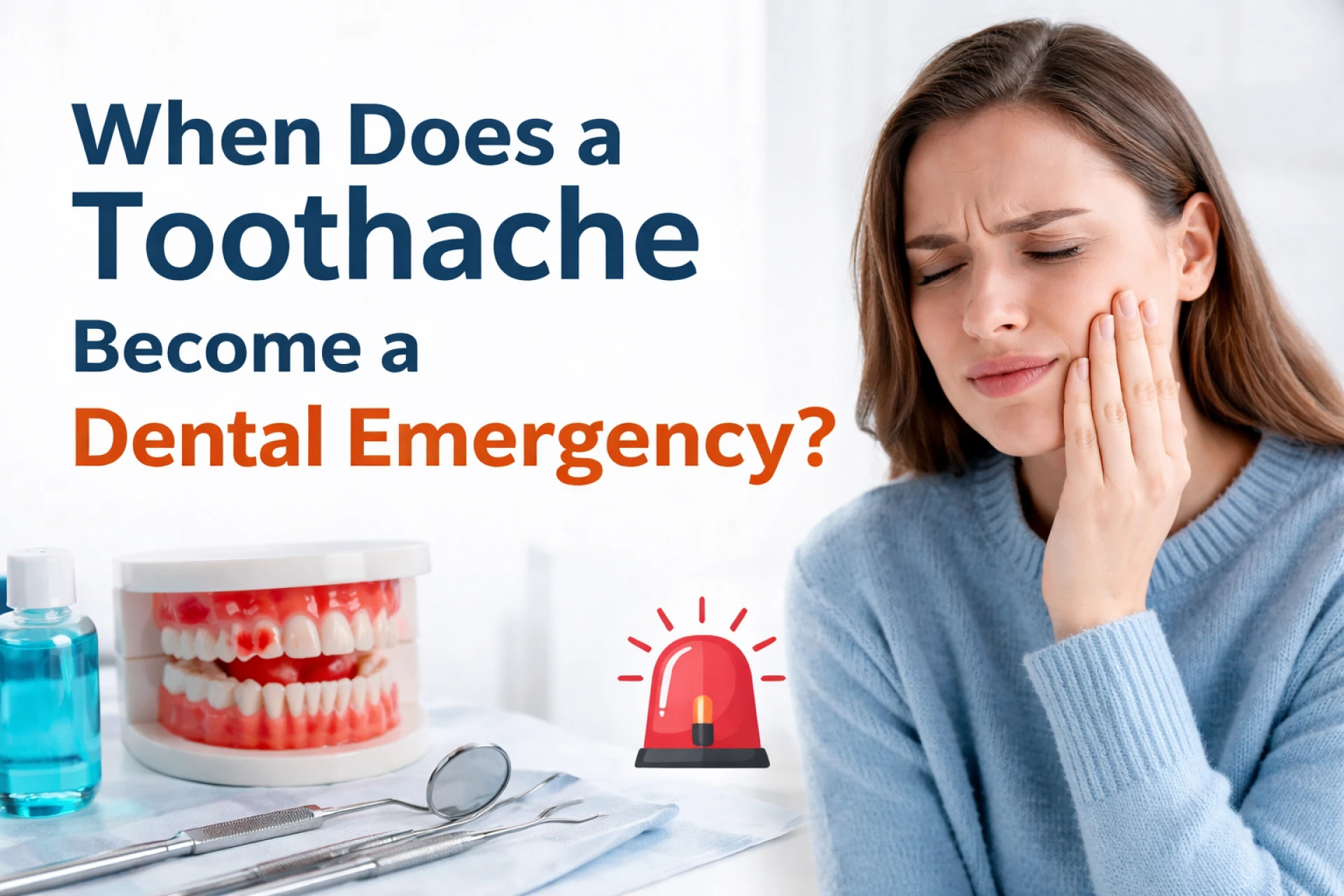
You should book an appointment if you experience persistent tooth pain, visible holes, or sensitivity lasting more than a few days. Regular checkups every six months help detect cavities early, often before symptoms appear.
Dental caries are one of the most common yet preventable oral health issues. Good hygiene, mindful eating, and routine dental visits are your best defense. Addressing cavities early keeps your teeth strong, your smile bright, and your dental costs low.




















Sign in to leave a comment.