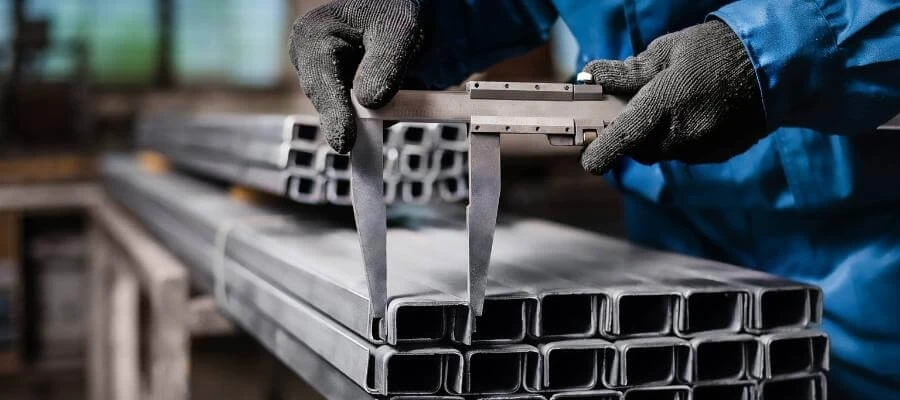

Making sheet metal and other flat metals into predetermined shapes is a process known as metal fabrication. Starting with sheet metal that is no thicker than a quarter inch, the process begins. The metal is flexible enough to take on various shapes at this thickness.
Fabricators modify the sheet to a specified form using this metal. Cutting, stamping, shaping, folding, and welding are used to accomplish this. Custom domestic metal fabrication, or the production of new, unique parts using creative combinations of these processes, is another related practice.
Metal fabricators, highly skilled professionals who are trained to cut and manipulate metal with a surgeon's precision to the desired shape, complete all of this work. These fabricators frequently operate out of major manufacturing plants or specialized fabrication facilities. The shops themselves come in a wide variety and provide general commercial and domestic metal fabrication services.
Different Metal Fabrication Types
Metal manufacturing involves a variety of procedures. The geometry of the item, the intended use for it, and the material it is constructed of will all affect the exact mix of fabrication procedures used for metal or stainless steel. Here are some examples of options for various manufacturing processes:
Cutting:
The most basic step in the manufacture of metal is cutting, which can be done by laser, shearing, sawing, or flame cutting. This produces a piece of the desired size and forms out of sheet metal. The most prominent cutting technologies nowadays are waterjet and laser.
Casting:
The fabricator pours molten metal into a mold that is created by a die. After the die is removed, this metal solidifies as it cools and remains in place.
Turning:
A technician can use a tool to radially cut a piece of metal while it spins by placing it on a platform that is rotating. Circular components, such as pipes or electrical wires, are created by the extrusion process.
It is crucial to become familiar with these typical procedures and some of the machinery involved in the metal fabrication process since you will frequently hear these phrases used during the planning phases of the metal fabrication process.
Longevity and Resilience
Sheet metal components that are specially made often last longer and are more durable than the majority of mass-produced parts. These benefits result from the design process, where engineers or designers may create a part that is more rigid than mass-produced parts and can be tailored to the client's specifications.
Planning for factors like component thickness, corner reliefs, bending, and other procedures will considerably improve the part's overall toughness and longevity.
Metal is a durable material, so depending on your scenario and the purpose and form of the pieces, you might want to think about utilizing aluminum or stainless steel to prevent corrosion like rust.
It's Possible That Prefabricated Parts Won't Fit Or Be Available.
A typical issue that may be resolved by bespoke sheet metal fabrication is the discovery that mass-produced parts just do not fit properly on the machine or equipment you are utilizing.
Similarly to this, you can have trouble finding the part altogether if it is required for a piece of machinery or equipment that is no longer made. Another justification for the significance of the custom fabrication sector is this.
Including Provisions for Reusing Old Equipment
Many industries continue to use outdated or even malfunctioning machinery and equipment simply as spare or replacement components if they have extras. You may have the parts reverse-engineered, copied, and even improved upon using bespoke sheet metal fabrication.
This can save you room and earn you brand-new components at the same time by allowing you to salvage that old piece of trash that has been taking up space in your building or lot.
Effortless Use
The installation of parts specifically made for you will be simple and quick, thanks to their design. The HVAC sector is a prime illustration of this. Custom sheet metal fabrication is a common occurrence for HVAC professionals, and while it is often done on-site, there are some instances where they may need to hire custom fabrication firms.
The custom sheet metal part may be fitted and installed with minimum effort in the circumstances like HVAC, for instance, because it was created to the appropriate dimensions with extreme precision.
Conclusion
Your manufacturing or construction demands can be substantially benefited from custom domestic metal fabrication, which can simplify and make them as simple as possible. It is also ideal for prototyping. Due to these benefits, it is a highly sought-after industry and maybe the finest choice for your requirements.
























Sign in to leave a comment.