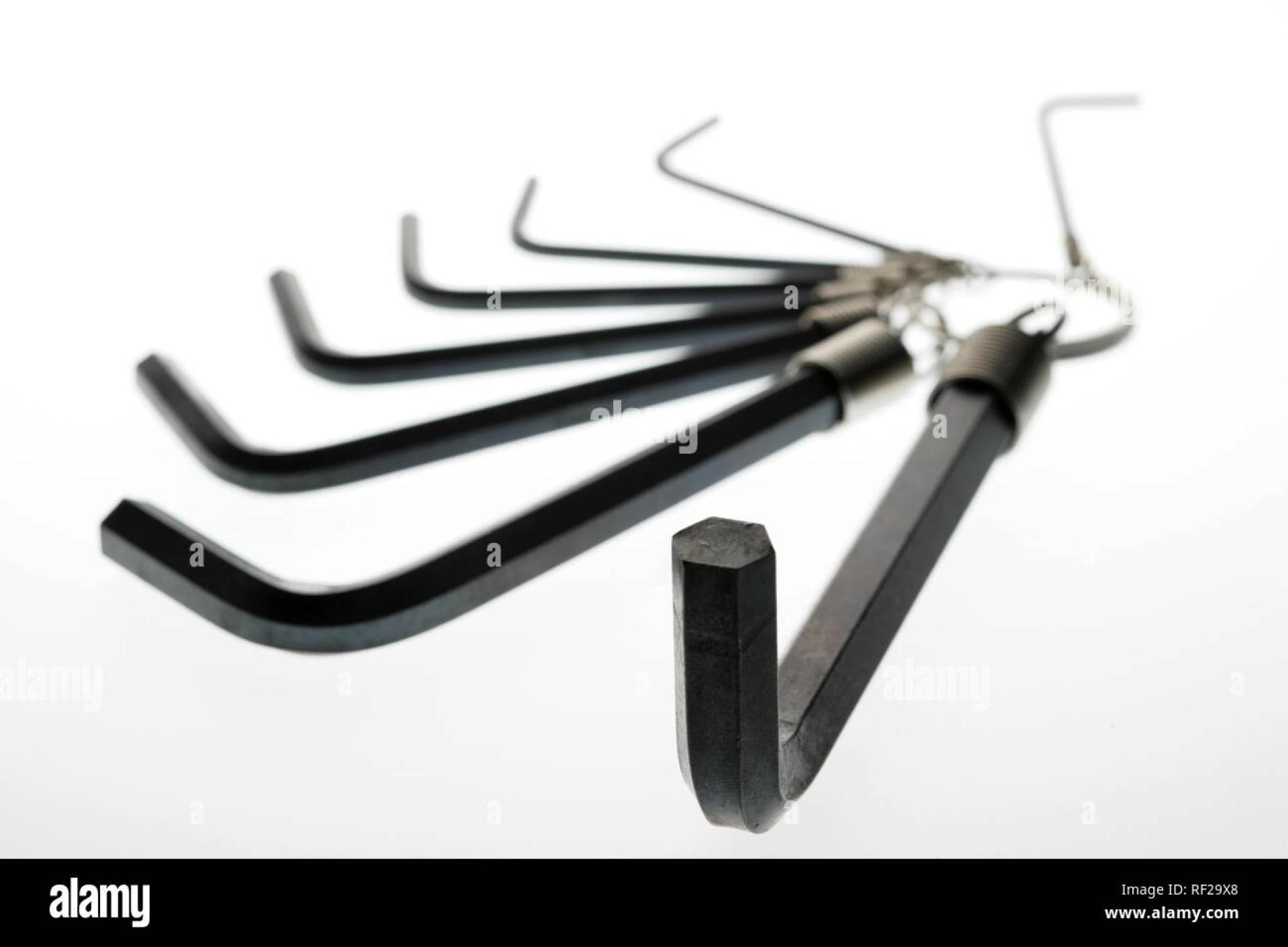

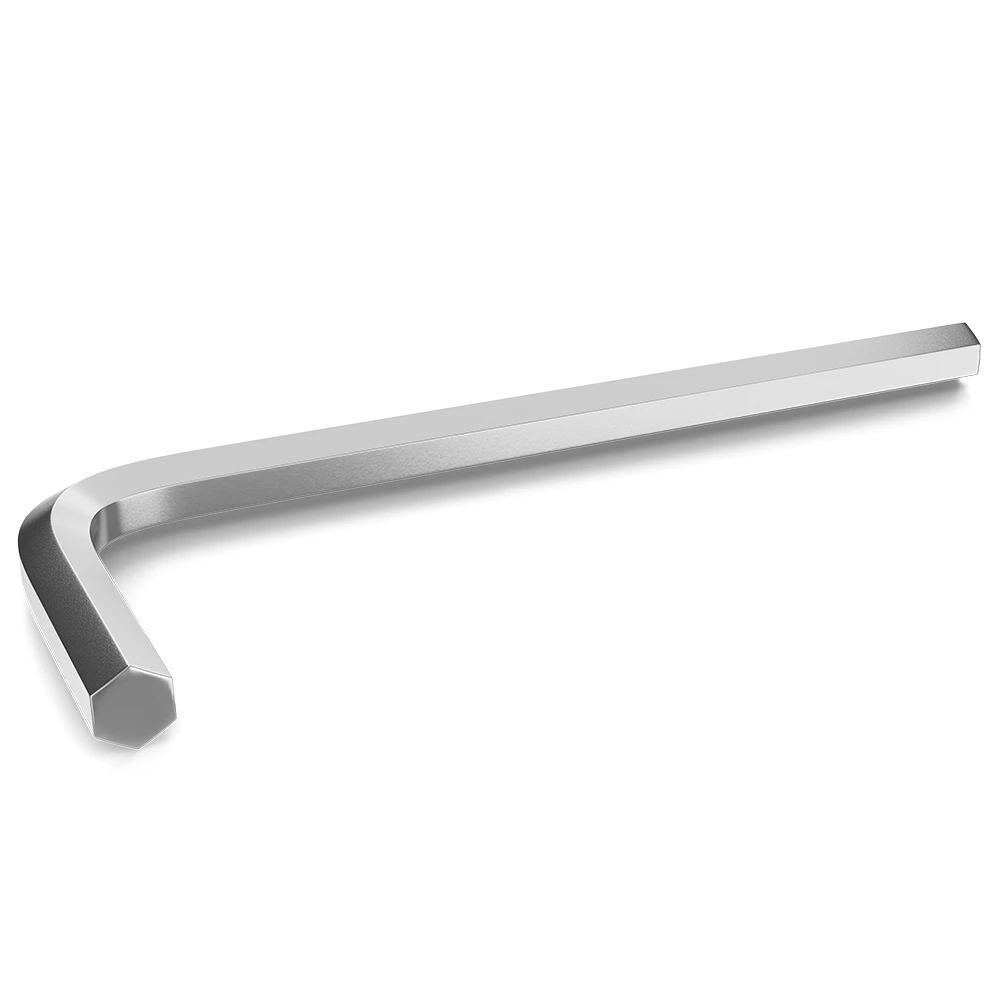
The Allen key market or hex key, may be a simple tool, but the market surrounding it has been far from static. Over the years, its demand, design, and production strategies have shifted in response to industrial changes, global trade trends, and consumer expectations. These shifts reflect not only technological innovation but also the growing diversification of applications across various sectors.
1. Understanding Market Shifts in Allen Keys
Market shifts refer to the changes in demand patterns, product designs, regional consumption, and sales channels that impact how the Allen key industry operates. These adjustments are shaped by industrial modernization, changes in manufacturing methods, global supply chain dynamics, and evolving end-user needs. While the basic function of the tool remains unchanged — fastening or loosening hexagonal bolts — the market landscape around it is in continuous evolution.
2. Shift from Basic to Advanced Product Designs
One of the most significant shifts in the Allen key market is the move from standard, low-cost models to more advanced, specialized designs. Traditional L-shaped keys remain widely used, but ball-end designs, T-handles, folding sets, and even torque-limited versions have gained market share. Professionals are demanding tools with improved ergonomics, corrosion resistance, and durability, leading to the use of materials like chrome vanadium steel, S2 tool steel, and titanium alloys in premium segments.
3. Shift in Consumer Base – Rise of DIY and Hobby Users
Historically, Allen keys were primarily purchased by industrial users, but there has been a noticeable increase in sales among DIY enthusiasts, furniture assemblers, and hobbyists. The surge in home improvement projects, especially post-pandemic, has expanded the consumer base. Ready-to-assemble furniture, bicycles, electronics, and other consumer goods that include hex fasteners have also contributed to this broader appeal.
4. Geographic Shifts in Production and Consumption
The global Allen key market has experienced geographic shifts both in manufacturing and in end-use markets:
- Manufacturing Shift: Production has moved increasingly to Asian hubs such as China and India due to cost advantages, scalability, and strong supply chains.
- Consumption Shift: While developed markets like North America and Europe remain major buyers, emerging markets in Southeast Asia, Latin America, and Africa are growing rapidly due to industrial expansion and rising consumer incomes.
5. Shift Toward E-Commerce and Digital Sales Channels
The rise of online marketplaces has transformed how Allen keys are bought and sold. Earlier, most sales took place in hardware shops, industrial supply stores, or through wholesale distributors. Now, e-commerce platforms have become a primary channel, offering consumers and professionals access to a wide variety of products, often with detailed specifications, reviews, and competitive pricing. This digital shift has also allowed small and mid-sized manufacturers to reach international markets without heavy investment in physical retail infrastructure.
6. Material and Sustainability Shifts
Another notable market shift is the growing emphasis on sustainability and environmental responsibility. Manufacturers are experimenting with recyclable materials, eco-friendly coatings, and durable designs that reduce waste by extending product lifespan. Packaging practices are also shifting toward reduced plastic use and biodegradable materials to meet regulatory requirements and consumer expectations.
7. Shift in End-Use Industries and Applications
The applications of Allen keys have broadened. Beyond automotive, aerospace, and furniture manufacturing, they are now essential in renewable energy installations, robotics assembly, and precision engineering. As industries adopt advanced machinery and equipment, demand for Allen keys with tighter tolerances and higher strength has increased. This shift toward specialized industrial use is pushing manufacturers to develop more application-specific sets.
8. Competitive and Strategic Shifts Among Manufacturers
Market competition has intensified, and manufacturers are shifting their strategies to maintain or grow market share. This includes:
- Expanding product portfolios to include both budget-friendly and premium-grade options.
- Offering customized sets for niche markets.
- Partnering with distributors and e-commerce platforms to improve accessibility.
- Investing in branding and marketing to stand out in an increasingly crowded market.
9. Technological Shifts in Manufacturing Processes
Manufacturing processes for Allen keys have also seen a shift toward automation, precision machining, and advanced heat treatment methods. These improvements enhance tool quality and consistency while allowing manufacturers to scale production to meet global demand efficiently.
10. Future Outlook on Market Shifts
Going forward, Allen key market shifts will likely continue in line with broader global manufacturing and consumer trends. The industry can expect further innovation in design, expansion into emerging economies, greater reliance on e-commerce, and a stronger emphasis on environmentally friendly products. As industrial technologies evolve, so will the specifications and features demanded from these seemingly simple yet highly essential tools.
Conclusion
The Allen key market is no longer defined solely by mass-produced, uniform tools. Instead, it is experiencing shifts in design, materials, distribution, and consumer engagement. By understanding and adapting to these changes, manufacturers can remain competitive and relevant in an evolving marketplace.




























Sign in to leave a comment.