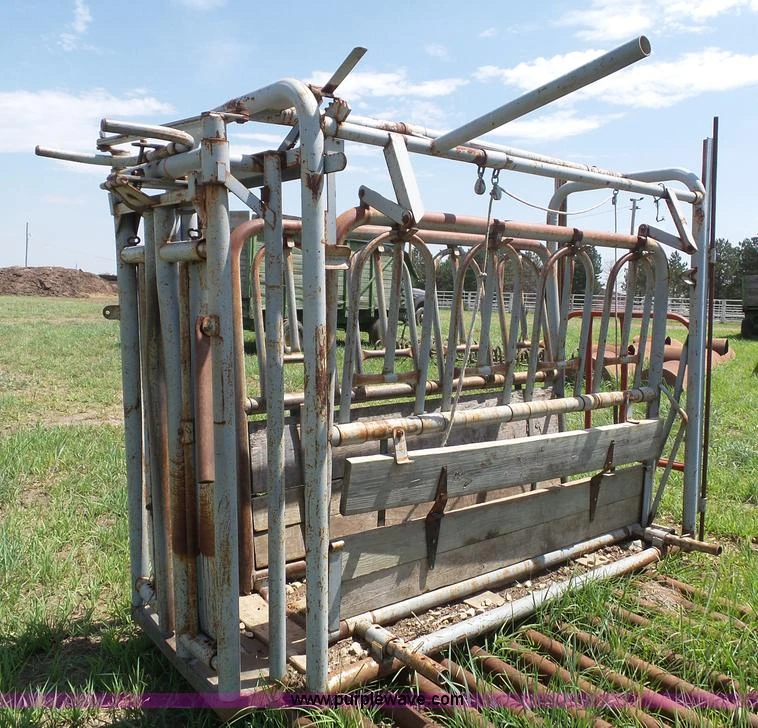

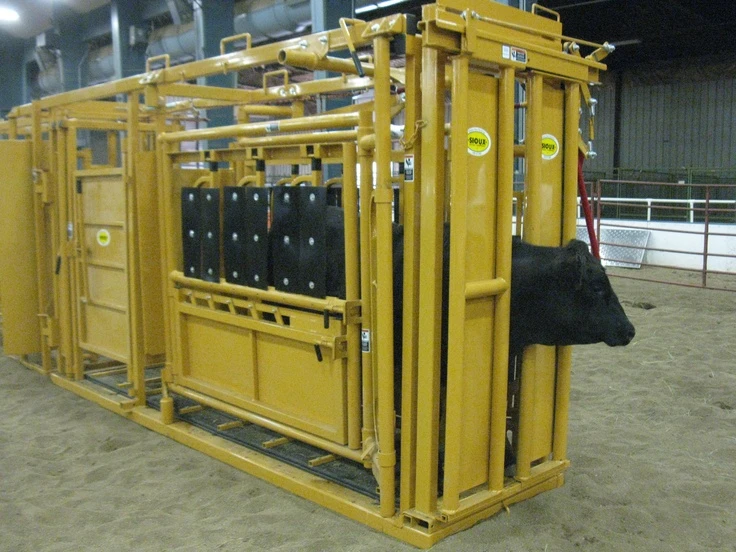
The cattle squeeze market long-term outlook reflects a future where technological progress, sustainability, and welfare-focused designs will define the industry’s direction. As livestock farming adapts to changing consumer demands, regulatory expectations, and climate challenges, cattle squeeze equipment is set to evolve into more advanced, efficient, and ethically aligned solutions.
1. Technology as the Core Driver
In the coming decade, cattle squeeze systems will increasingly integrate with precision livestock farming technologies. Built-in sensors, RFID readers, biometric scanners, and automated weighing systems will become standard, enabling farmers to monitor animal health, growth, and movement in real time. These advancements will not only improve handling efficiency but also reduce stress for the cattle by minimizing handling time.
2. Automation and Robotics Adoption
Automation will continue to transform livestock management. Hydraulic and pneumatic systems with programmable controls will enable smooth, operator-friendly handling. Robotics may play a role in repetitive processes, such as opening and closing gates, adjusting head restraints, and measuring cattle metrics without manual intervention. This will benefit large-scale farms with high cattle volumes.
3. Emphasis on Animal Welfare
Animal welfare will remain a central factor in design innovation. Future cattle squeeze chutes are expected to incorporate quieter mechanisms, non-slip flooring, and curved designs that promote natural cattle movement. These changes will not just meet ethical requirements but also improve productivity, as reduced stress in cattle often leads to better weight gain and healthier herds.
4. Sustainability Becoming a Market Standard
Long-term market success will be closely linked to environmental responsibility. Manufacturers will adopt recyclable materials, low-energy manufacturing processes, and eco-friendly coatings. Renewable energy-powered hydraulic systems, such as solar-assisted pumps, may become common, especially in remote or off-grid farming areas.
5. Increased Portability and Modular Solutions
Farm operations are becoming more mobile, and the long-term market will favour portable cattle squeeze units that can be easily transported between fields or farms. Modular systems will allow farmers to customize equipment with interchangeable parts, upgrading only necessary components instead of replacing entire systems.
6. Global Expansion in Emerging Agricultural Economies
While North America and Europe will continue to lead in technology adoption, the fastest growth is likely in Asia-Pacific, Latin America, and parts of Africa. Rising incomes, government farming subsidies, and the modernization of livestock practices will drive demand for advanced cattle squeeze solutions in these regions.
7. Data-Driven Farm Decision Making
The role of data will be critical in the long-term outlook. Future cattle squeeze systems will be part of integrated farm management software, allowing farmers to track individual animal health histories, vaccination schedules, and performance metrics. This integration will improve herd management strategies and compliance with export regulations.
8. Enhanced Safety Features for Handlers
Operator safety will remain a key focus. Improved anti-kick mechanisms, ergonomic control panels, and safety locks will reduce the risk of injury. Automation and remote operation may also help minimize direct contact with cattle during handling.
9. Regulatory Influence on Design and Adoption
As governments and agricultural bodies tighten animal welfare and safety regulations, cattle squeeze equipment will need to comply with stricter design standards. Manufacturers that anticipate and exceed these requirements will secure stronger market positions.
10. Competitive Differentiation through Innovation
With more players entering the market, innovation will be a key differentiator. Companies offering multifunctional cattle squeeze chutes—combining handling, weighing, tagging, and medical examination capabilities—will attract farmers seeking cost-effective and space-saving solutions.
Challenges to Address in the Long Term
While the outlook is positive, several challenges must be addressed to ensure sustainable growth. High upfront costs of advanced systems may deter smaller farms from upgrading. Training will be essential to help farmers adopt new technology effectively. Additionally, supply chain disruptions and fluctuating raw material prices could influence manufacturing costs.
Opportunities for Stakeholders
Manufacturers can explore rental and leasing models to make modern equipment accessible to smaller farms. Collaboration with agricultural training programs will promote faster adoption of welfare-compliant systems. Technology companies have opportunities to partner with equipment manufacturers, creating fully connected and smart cattle handling systems.
Conclusion
The cattle squeeze market’s long-term outlook is optimistic, driven by a synergy of technology, animal welfare priorities, sustainability goals, and global market expansion. Farmers will increasingly seek solutions that combine efficiency, ethical compliance, and operational safety. The industry’s future leaders will be those who innovate with purpose—delivering equipment that not only handles cattle effectively but also supports smarter, safer, and more sustainable livestock farming.



























Sign in to leave a comment.