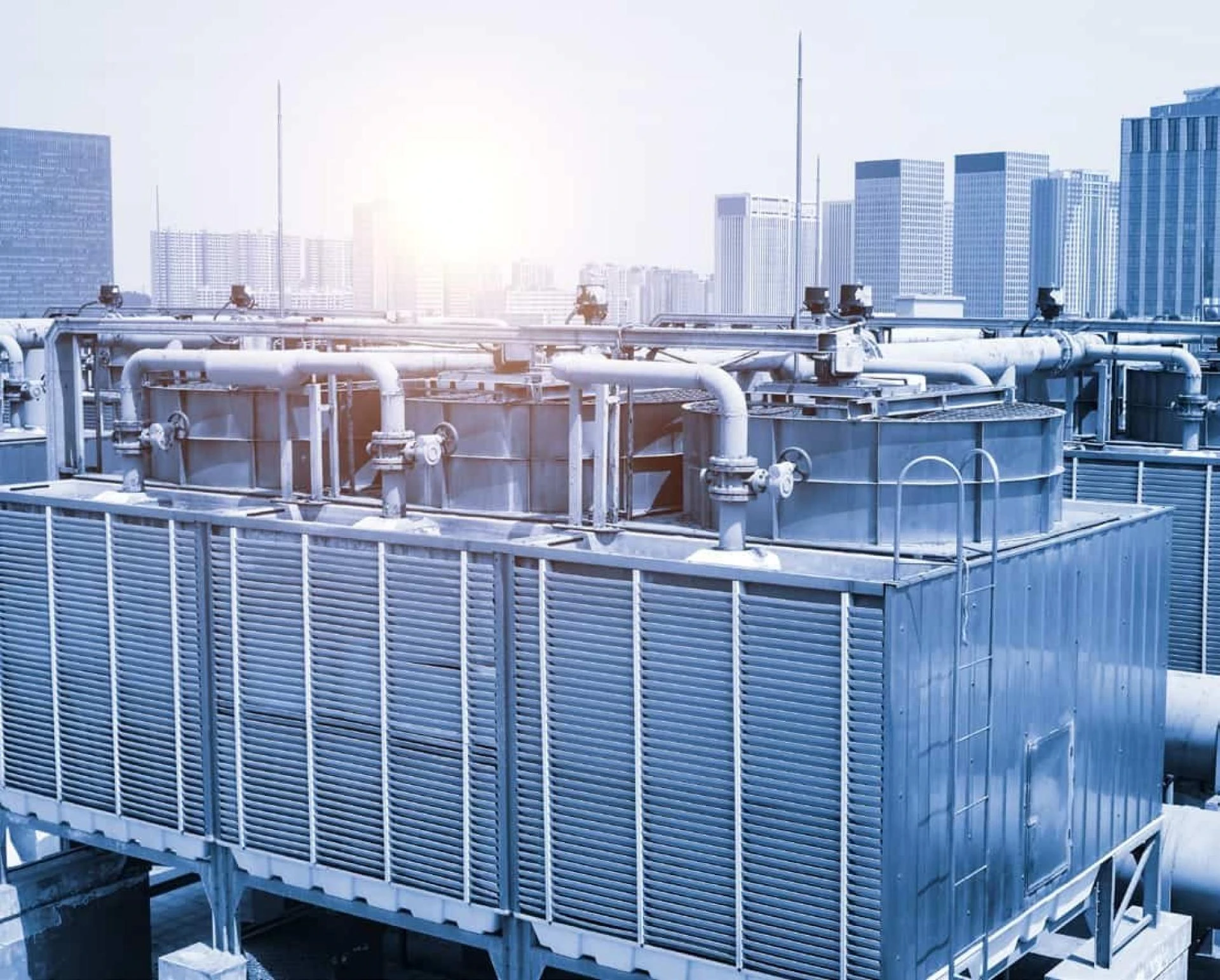

The District Cooling Market has emerged as a vital component of modern urban infrastructure, delivering large-scale, centralized cooling solutions to buildings through an underground network of insulated pipes. Instead of relying on individual air-conditioning systems, district cooling plants produce chilled water in a centralized location and distribute it to multiple buildings for air conditioning needs. This approach significantly reduces electricity consumption, greenhouse gas emissions, and operational costs, making it highly attractive for cities aiming for sustainability and energy efficiency.
Driven by rapid urbanization, climate change concerns, and the rising demand for efficient cooling in commercial, residential, and industrial sectors, the market is experiencing strong global adoption. Government initiatives promoting green building codes and sustainable energy policies further accelerate growth.
Key Drivers of Market Growth
- Rising Urban Heat and Climate Change Pressures
- With global temperatures rising, cities are experiencing higher cooling demands, especially in tropical and arid regions. District cooling systems help meet these demands sustainably while lowering environmental impact.
- Energy Efficiency and Cost Savings
- Centralized systems reduce energy use by up to 50% compared to conventional cooling methods. This translates to lower electricity bills for consumers and reduced strain on national power grids.
- Government Incentives and Regulations
- Several countries are implementing policies and incentives to encourage district cooling adoption, such as subsidies, tax benefits, and mandatory green building codes.
- Integration with Renewable Energy Sources
- District cooling systems can be powered by solar, wind, or waste energy, further enhancing their sustainability credentials and reducing dependence on fossil fuels.
Market Challenges
While the district cooling market is growing steadily, it faces some key challenges:
- High Initial Capital Costs: Establishing centralized plants and distribution networks requires significant investment, which can deter small-scale developers.
- Infrastructure Limitations: Expanding into older urban areas may require extensive retrofitting, which is costly and time-consuming.
- Awareness Gaps: In many developing countries, stakeholders still lack awareness of district cooling’s benefits, slowing adoption rates.
Regional Insights
- Middle East & North Africa (MENA): The region leads globally due to its hot climate, large-scale infrastructure projects, and strong government support. Countries like UAE, Qatar, and Saudi Arabia are major adopters.
- Asia-Pacific: Rapid urbanization in countries like India, China, and Singapore is creating strong opportunities, supported by smart city projects and energy efficiency programs.
- Europe: Driven by climate goals, especially in Nordic countries where cooling demand is rising in summer months due to changing weather patterns.
- North America: Growth is fueled by energy efficiency mandates and integration with renewable energy projects in commercial hubs.
Future Outlook
The district cooling market is expected to expand significantly over the next decade, with increased adoption in emerging economies. Technological advancements such as AI-based demand forecasting, IoT-enabled monitoring, and thermal energy storage will make systems even more efficient and cost-effective.
Growing partnerships between governments, private companies, and utility providers will play a crucial role in funding and deploying large-scale projects. The sector is also expected to integrate more with renewable energy sources, reinforcing its role in achieving global carbon reduction goals.


























Sign in to leave a comment.